Signs Of An Old Water Heater
Okay, so let's chat about something kinda unglamorous but super important: your water heater. Yeah, I know, not exactly cocktail party fodder, right? But seriously, this unassuming giant in your basement or utility closet is the unsung hero of your daily life. It’s the reason for those glorious hot showers, the sparkling clean dishes, and the perfectly warm laundry. But like all heroes, it eventually gets a little... tired. And when it does, it starts sending out some pretty clear distress signals. You just gotta know how to spot 'em!
Think of your water heater like an old friend. You wouldn't ignore it if it started limping, would you? So, let's grab that metaphorical coffee and dive into the signs that your trusty hot water provider might be reaching its golden years, or maybe even its retirement party!
Is Your Water Heater a Senior Citizen?
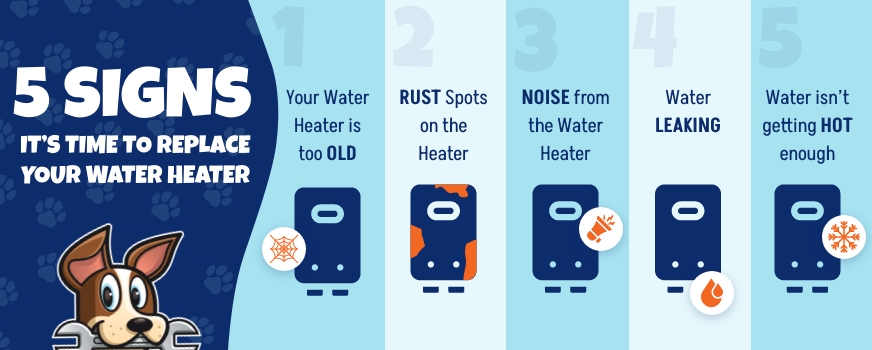
First up, and probably the most obvious, is age. When was the last time you even thought about how old that behemoth is? Seriously, go look. There's usually a sticker with the manufacture date. Most traditional tank water heaters are built to last, oh, about 8 to 12 years. If yours is pushing past that decade mark, or even worse, cruising into its teens, then consider it officially a senior citizen. It's done its time! Anything over 10 years old is basically shouting, "Hey, I'm getting weary here!" Are you really going to trust something that old with your daily dose of hot water bliss?
Must Read
The Rusty Water Ruse
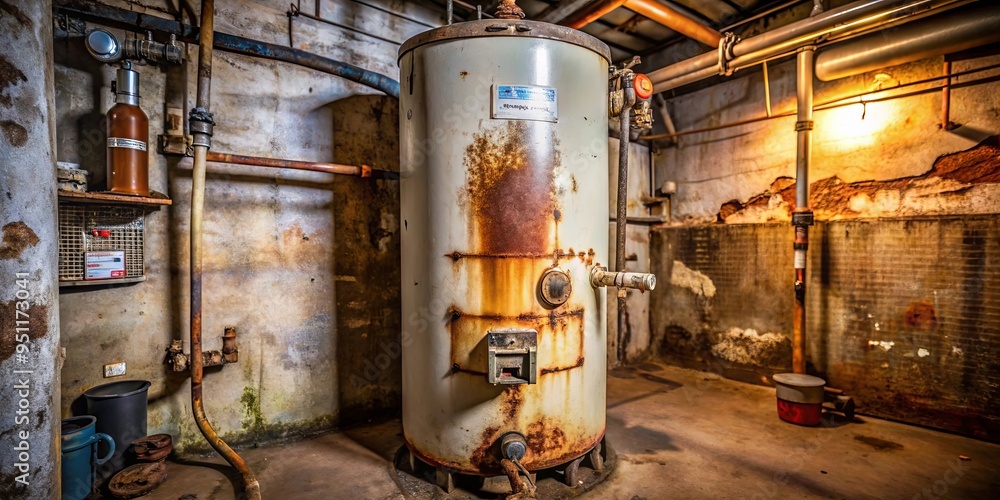
Ever turn on the hot water tap and get a rather unappetizing stream of orange or rusty-looking water? No, it’s not just a bad lighting day. And no, your pipes aren't suddenly producing some kind of tropical fruit juice. That, my friend, is a big, flashing red light. It often means the inside of your water heater tank is rusting. And once that internal rust starts, it's usually a sign of serious internal corrosion. Not exactly what you want brewing in your hot water supply, right? It's like finding rust flakes in your morning coffee – a definite "nope!" moment.
The Sound and the Fury (of Your Water Heater)
Listen closely. Does your water heater sound like it's hosting a tiny, metallic rock concert? We’re talking about rumbling, popping, crackling, or banging noises. This isn't just a quirky personality trait. Those sounds are usually due to sediment buildup at the bottom of the tank. Over time, minerals in your water settle and harden, creating a layer that gets heated and reheated. This causes the tank to work harder and can even lead to hot spots, making those unsettling noises. It’s essentially your water heater grumbling, "Ugh, another day of sloshing around crud!"
The Dreaded Drip: Leaks!
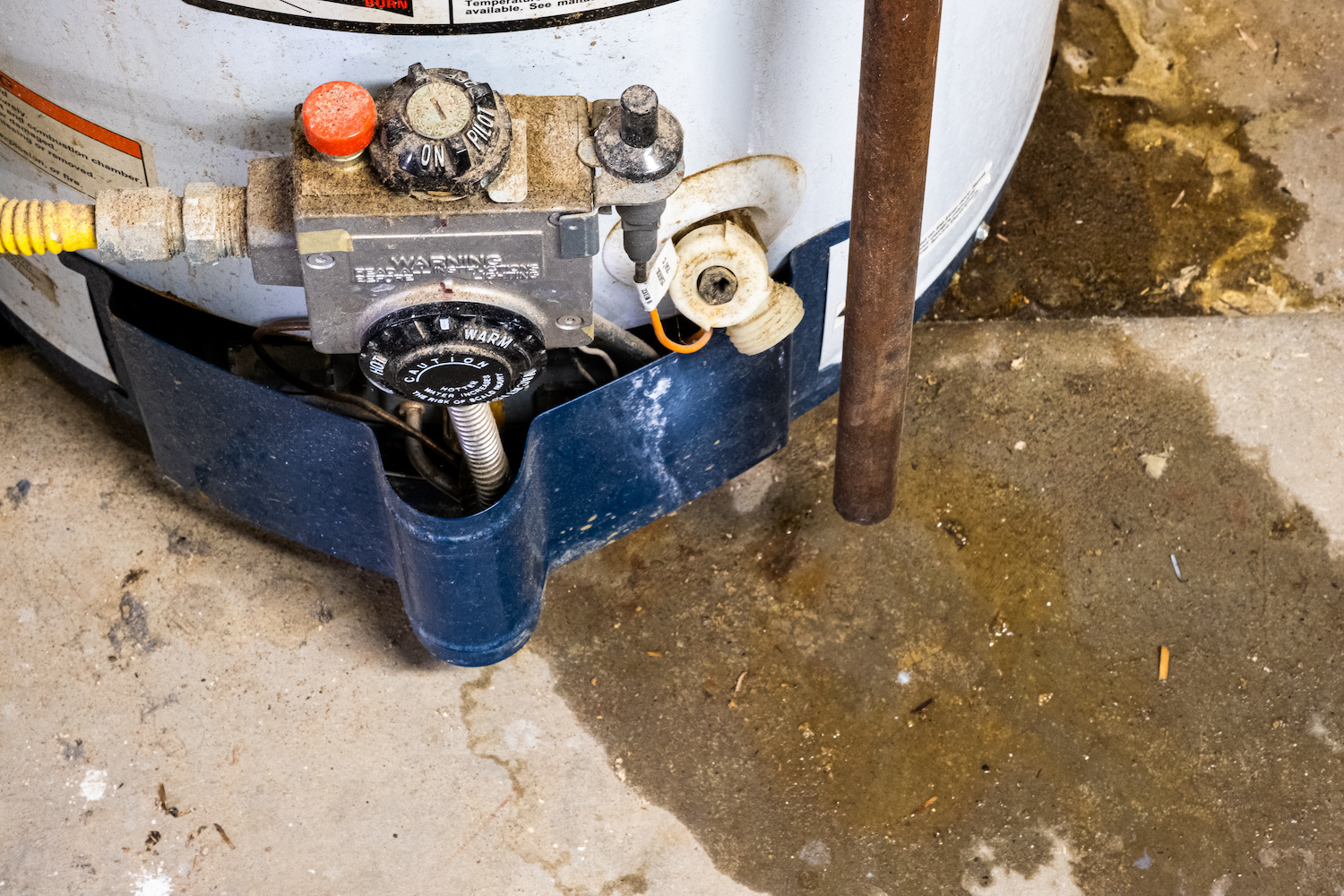
This one is pretty straightforward and almost universally understood as bad news: leaks. If you spot a puddle around the base of your water heater, or even just a persistent drip from a valve or fitting, that’s a clear sign of trouble. Little leaks can quickly become big leaks, turning your utility closet into a small pond. And let me tell you, a water heater flood is NO fun. It's messy, destructive, and usually happens at the absolute worst possible time – like when you’re on vacation, naturally. A leak usually means the integrity of the tank or a key component is compromised, and that’s a pretty dire warning sign.
The Cold Shower Shocker
Are you finding your hot showers are becoming more like "lukewarm-then-suddenly-icy" showers? Or maybe the hot water just isn't lasting as long as it used to? That’s your water heater telling you, "I just can't keep up anymore!" This could be due to a faulty heating element, sediment buildup reducing its capacity, or simply that the unit is too old and inefficient to properly heat and maintain a consistent supply of hot water. Nobody wants a shock to the system first thing in the morning, do they? It's like your water heater is giving up halfway through its job.

Pilot Light Playing Hard to Get?
For those with gas water heaters, if your pilot light keeps going out or is difficult to ignite, that's another red flag. It might seem minor, but a finicky pilot light could indicate issues with the thermocouple, gas valve, or other internal components. It's essentially your water heater being temperamental and unreliable. You want that little flame to be a dependable workhorse, not a diva.
The Mystery Money Drain
Have your energy bills mysteriously crept up, even if your usage habits haven't changed much? Your aging water heater could be the culprit. As these units get older and more worn, they become less efficient. They have to work harder, and longer, to heat the same amount of water, which translates directly to higher energy consumption. It’s like an old car that starts guzzling more gas than it used to. Your wallet will definitely thank you for addressing this sooner rather than later!
So, there you have it. A few tell-tale signs that your faithful hot water companion might be ready for retirement. Don’t wait until you're standing in a cold shower, or worse, knee-deep in water, to address these warnings. A little proactive observation can save you a whole lot of headache (and money!) down the line. Keep an eye on your water heater, give it the respect it deserves, and it'll keep you in glorious hot water for as long as it possibly can!