
Signs Of A Failing Water Heater

Ah, the hot shower. It’s one of life’s simple, glorious pleasures, isn't it? That steamy embrace in the morning, the soothing warmth after a long day… we often take it for granted. But lurking in the shadows, usually in a closet, basement, or garage, is the unsung hero making all that possible: your water heater.
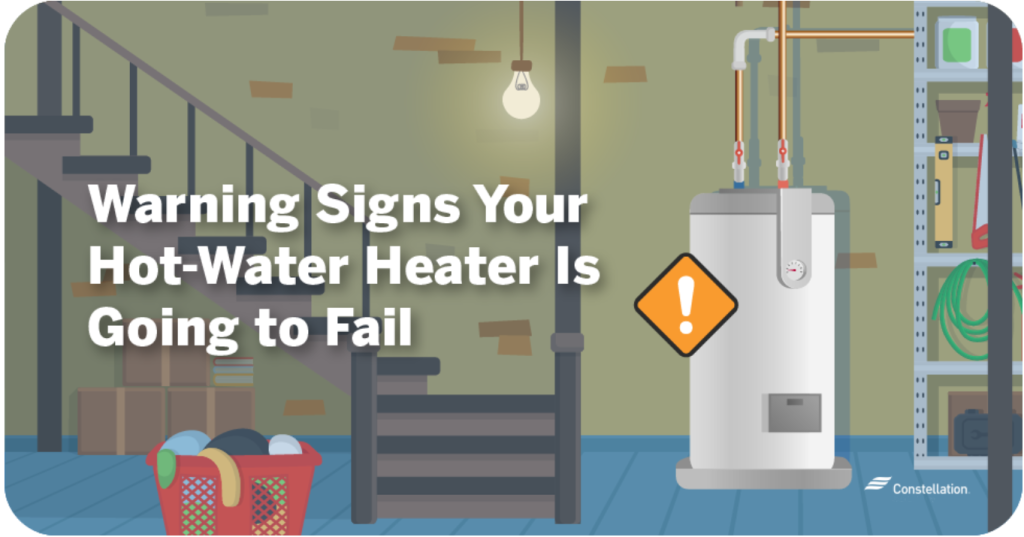
This hardworking appliance diligently warms up countless gallons of water, day in and day out, asking for very little in return. But even the most dedicated workhorse gets tired. So, how do you know if your loyal hot water provider is quietly sending you an SOS? Let's dive into the fascinating, sometimes quirky, signs that your water heater might be nearing its retirement party.
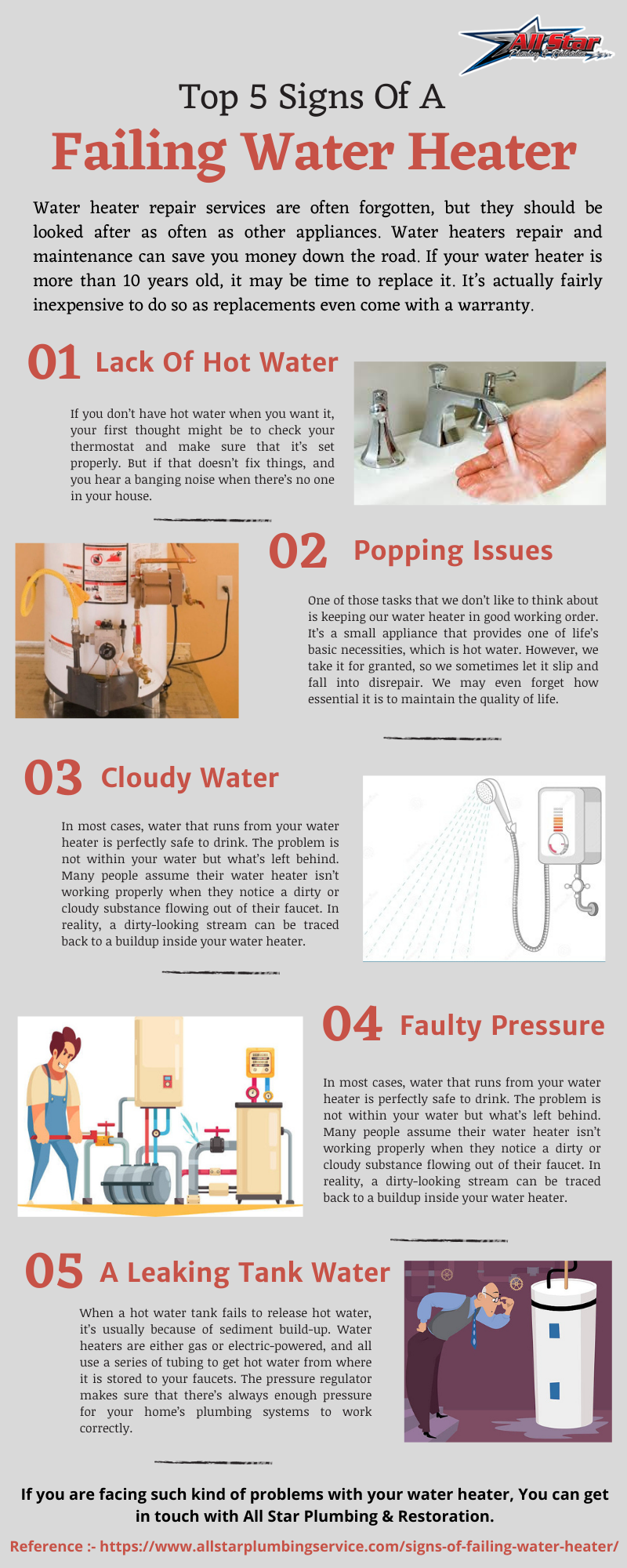
Not Enough Hot Water (Or None At All!)
This one might seem like a no-brainer, right? If you're suddenly getting a cold shock mid-lather, it's pretty clear something's up. But it’s not always a sudden plunge into icy depths. Sometimes, it’s a more subtle shift. Maybe your usual 15-minute shower now barely lasts five before the chill sets in. Or perhaps, after one person showers, the next person is out of luck.
Must Read
It’s like ordering a large coffee and only getting a small cup. You’re left feeling short-changed and, well, cold. This could mean a faulty heating element, a broken thermostat, or even a tank that's simply too small for your household's demands and struggling to keep up. It's often the first, most undeniable hint that your water heater is struggling to keep its promise of warm comfort.
The Rumbles and Grumbles: Weird Noises
Ever walk by your water heater and hear a strange symphony of sounds? We're talking about more than just a gentle hum. Think loud pops, persistent rumbling, crackling, or even gurgling noises. It’s like your appliance is hosting a tiny, angry monster rave down in the basement!
What's going on? Often, these unsettling noises are caused by sediment buildup at the bottom of the tank. Over time, minerals from your water (like calcium and magnesium) settle and harden. When the heating element tries to warm the water, it has to heat through this layer of sediment first. This causes the water trapped beneath the sediment to boil, creating those distinctive popping or rumbling sounds. Not only is this noisy, but it also makes your water heater work harder, meaning it's less efficient and costing you more on energy bills. It’s a literal stress signal from your appliance!
Leaky Situations: Water Where It Shouldn’t Be
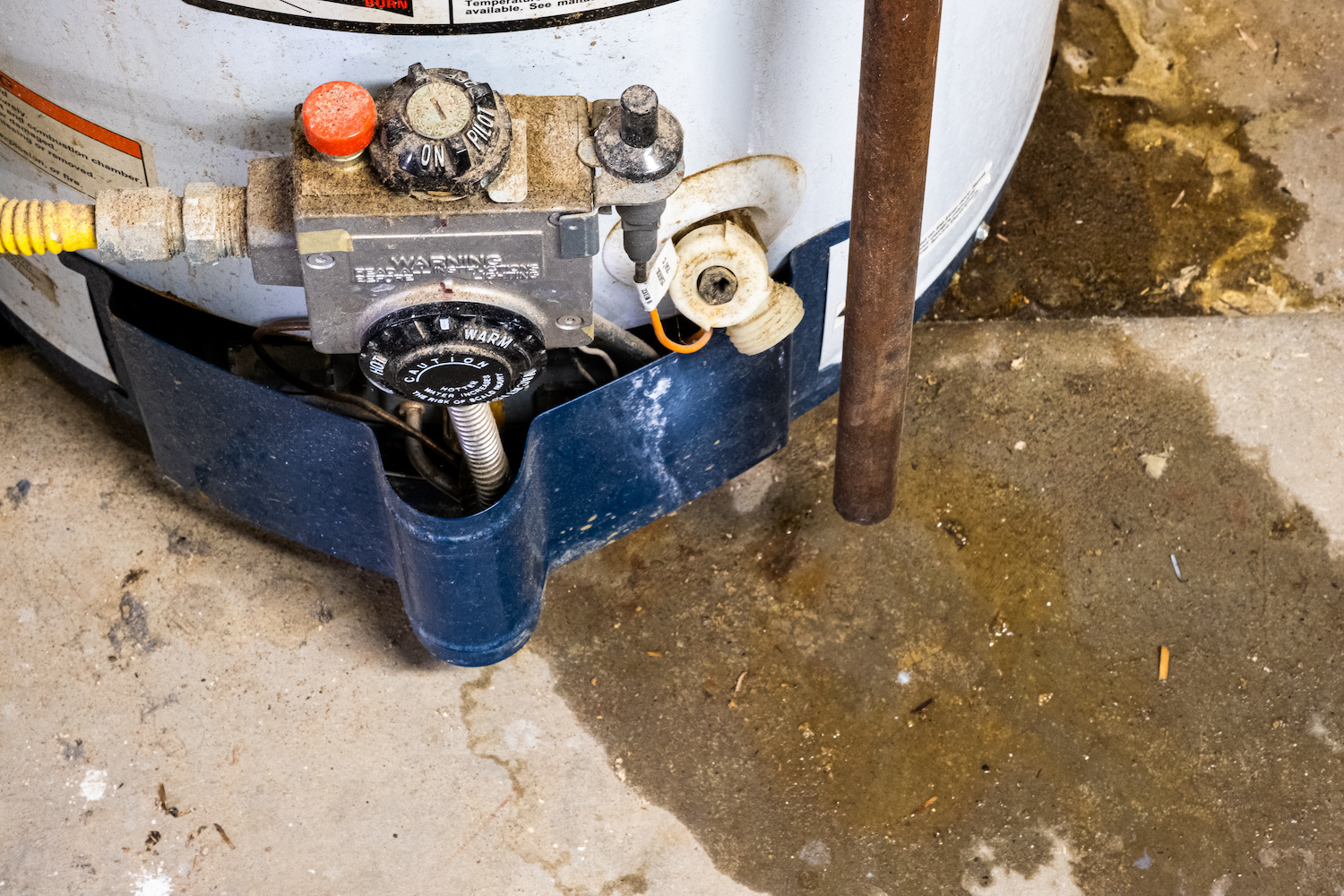
This sign is perhaps the most visually alarming. If you notice puddles around the base of your water heater, or even just some persistent dampness, it's a definite red flag. Your water heater isn't supposed to sweat like it just ran a marathon!
A leak can indicate several problems, from a loose connection or a faulty pressure relief valve to something far more serious: a crack in the tank itself. While some leaks might be minor and fixable, a crack in the tank usually means it’s game over. The tank, constantly expanding and contracting with temperature changes, eventually succumbs to metal fatigue. Think of it like a tire with a slow leak – eventually, it's going to go flat. If you spot any unwelcome moisture, it’s time to investigate immediately, before a small drip turns into a significant flood.
The Rusty Rivet: Discolored Water
Imagine turning on your hot water tap, expecting clear, sparkling water, and instead getting something that looks suspiciously like weak iced tea or orange juice. Not exactly appetizing for your morning shower, is it? If your hot water has a reddish or brownish tint, it’s a pretty strong indicator that there's rust inside your water heater.
This usually means the interior of the tank or the anode rod (a sacrificial rod designed to attract rust before it attacks the tank itself) has corroded significantly. While sometimes just flushing the tank can help, rusty water often signals that the tank's integrity is compromised, and it's slowly but surely rusting from the inside out. You definitely don’t want to be bathing in that!
The Age-Old Question: How Old Is It?
Like any appliance, water heaters have a lifespan. Most tank-style water heaters are designed to last between 10 to 15 years. If your water heater is pushing past the decade mark, it’s likely on borrowed time, even if it hasn’t started showing dramatic symptoms yet.
Think of it like an old car with high mileage. It might still run, but it’s probably not as efficient, might need more frequent repairs, and could surprise you with a breakdown at any moment. Knowing your water heater’s age (you can usually find the manufacturing date on the rating plate) is a crucial piece of the puzzle. An older unit is simply more prone to all the issues listed above, making it a prime candidate for replacement.

The Roller Coaster Ride: Inconsistent Water Temperature
Are your showers a game of chance? One minute it’s delightfully warm, the next it’s scalding hot, and then suddenly chilly? This inconsistent temperature isn't just annoying; it’s a sign that your water heater is struggling to maintain a steady output. It's like having a chef who can't quite get the seasoning right – one bite is perfect, the next is inedible.
This issue often points to a failing thermostat, a faulty heating element, or even sediment interfering with the heat transfer. The inability to regulate temperature effectively means your water heater is working erratically, and potentially wasting a lot of energy in the process. It's a clear signal that something isn't right in its internal temperature control system.
So, there you have it! Your water heater, that silent guardian of your daily comfort, actually has quite a lot to say if you just know how to listen. Paying attention to these subtle (and not-so-subtle) signs can save you from a cold shower shock, a flooded basement, or an unexpectedly large utility bill. Being proactive means you can address issues before they become major headaches, keeping your hot water flowing and your home happy. You’re now a certified water heater detective!