
Signs Of A Bad Hot Water Heater
Ah, the simple, glorious pleasure of a hot shower. That steamy embrace that washes away the day's stress, loosens tired muscles, and gets you ready to conquer the world (or at least your inbox). It's a modern luxury we often take for granted, like indoor plumbing itself, until one frosty morning, that blissful warmth is replaced by an icy, unwelcome surprise. Suddenly, your hot water heater, the unsung hero of your home, makes its presence known… by its absence.
Don't wait for a goosebump-inducing shower to realize something's amiss. Being proactive can save you from costly emergencies and, more importantly, from having to channel your inner polar bear. Let's talk about the tell-tale signs that your hot water heater might be waving a little white flag.
The Chilly Truth: Not Enough Hot Water
This one's often the most obvious, and frankly, the most unpleasant. If your hot showers are getting shorter and colder, or if the hot water just isn't lasting as long as it used to, it's a major red flag. Maybe your morning routine involves a quick dash from the shower to avoid hypothermia, or your dishwasher is struggling to get things sparkling. This could mean a faulty heating element, a tank that's too small for your needs, or more often, a buildup of sediment reducing its efficiency.
Must Read
Pro Tip: Check if the thermostat has been accidentally bumped. If not, and you're getting consistently less hot water, it’s time to investigate further. It's often the first whisper before a louder complaint.
It's Getting Noisy In Here: Strange Sounds
Does your water heater sound like it’s hosting a tiny rock concert in your basement? Or perhaps a gentle rumble has escalated into a symphony of pops, cracks, and bangs? These aren't just quirky noises; they're your water heater trying to tell you something. Usually, these sounds are caused by sediment buildup at the bottom of the tank. As water heats, this sediment traps the heat, causing the bottom of the tank to overheat and make those unsettling noises. It’s like a tiny boiler on your boiler!

A fun fact: Sediment can reduce your water heater's efficiency by a surprising amount, sometimes up to 30%! That’s like throwing money down the drain, only it’s actually sitting at the bottom of your tank.
Houston, We Have a Leak: Puddles Around the Tank
This is probably the most concerning sign and the one that screams "call a professional NOW!" Any moisture, however slight, around the base of your hot water heater is a serious red flag. It could be a loose connection, a failing pressure valve, or, worst-case scenario, a crack in the tank itself. A leaking tank means its structural integrity is compromised, and it's likely headed for a full-on burst, which can cause significant water damage to your home.
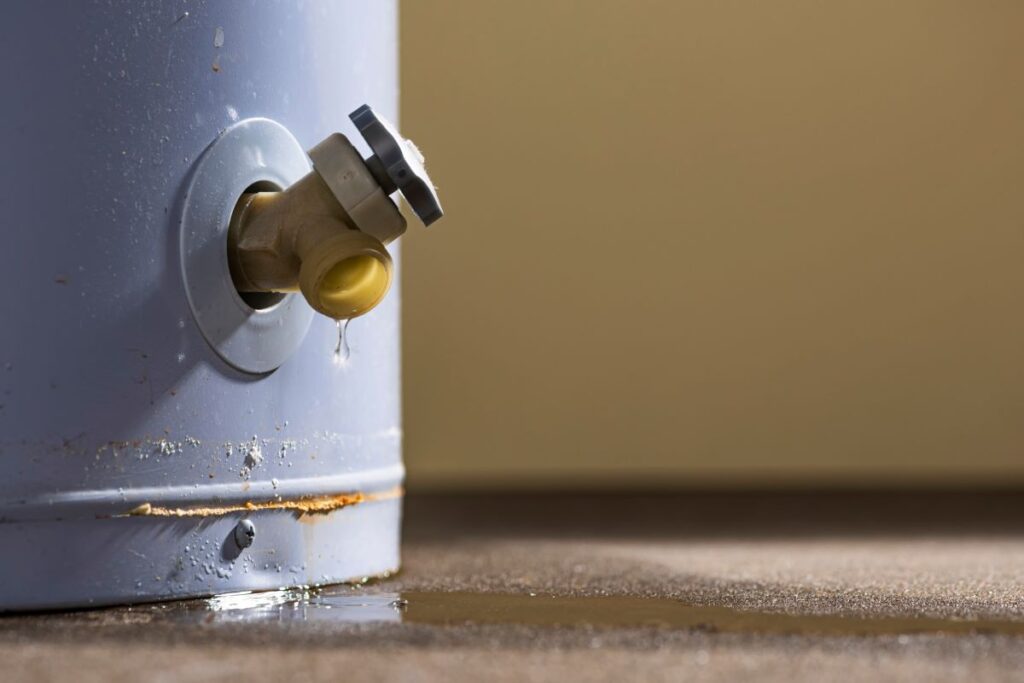
Don't ignore a little trickle. It can quickly become a flood. This isn't the kind of indoor water feature you want, trust us!
What's That Smell? Discolored or Smelly Water
Your water should be clear and odorless. If your hot water comes out rusty, brownish, or has a metallic taste, it often indicates corrosion inside the tank. If it smells like rotten eggs, that’s usually a sign of bacteria growing in the tank, often due to a decaying anode rod (the "sacrificial" rod designed to attract corrosive elements). Neither of these is good for you or your plumbing!

Imagine your lovely spa day being ruined by water that looks like murky tea. No thanks!
The Wallet Whisperer: Higher Energy Bills
Is your utility bill suddenly giving you whiplash? A hot water heater that's working harder to do its job will consume more energy. Sediment buildup, faulty heating elements, or general inefficiency can all cause your heater to chug away more power than usual, leading to those unexpectedly high charges. If nothing else in your home has changed, but your energy bill is creeping up, your aging hot water heater might be the culprit.
It's an Age Thing: How Old is Your Unit?
Just like people, hot water heaters have a lifespan. The average conventional tank-style water heater lasts about 8-12 years. If yours is approaching or past that age, even without obvious symptoms, it's living on borrowed time. Components wear out, rust takes hold, and efficiency naturally declines. Knowing your unit's age (usually on the manufacturer's label) can help you anticipate problems before they become crises.
Think of it as planning for retirement for your appliance. A little foresight can prevent a lot of stress!
In conclusion, your hot water heater, while often out of sight and out of mind, plays a crucial role in your daily comfort. Ignoring these signs isn't just a minor inconvenience; it can lead to bigger headaches, higher costs, and a significant disruption to your household routine. Paying attention to these subtle (and not-so-subtle) hints can help you address issues proactively, ensuring your warm showers and efficient appliances continue without a hitch. After all, a little comfort in our everyday lives goes a long way, and a reliable stream of hot water is truly one of life's simple, indispensable joys.