Should You Leave Ceiling Fans On When Not Home
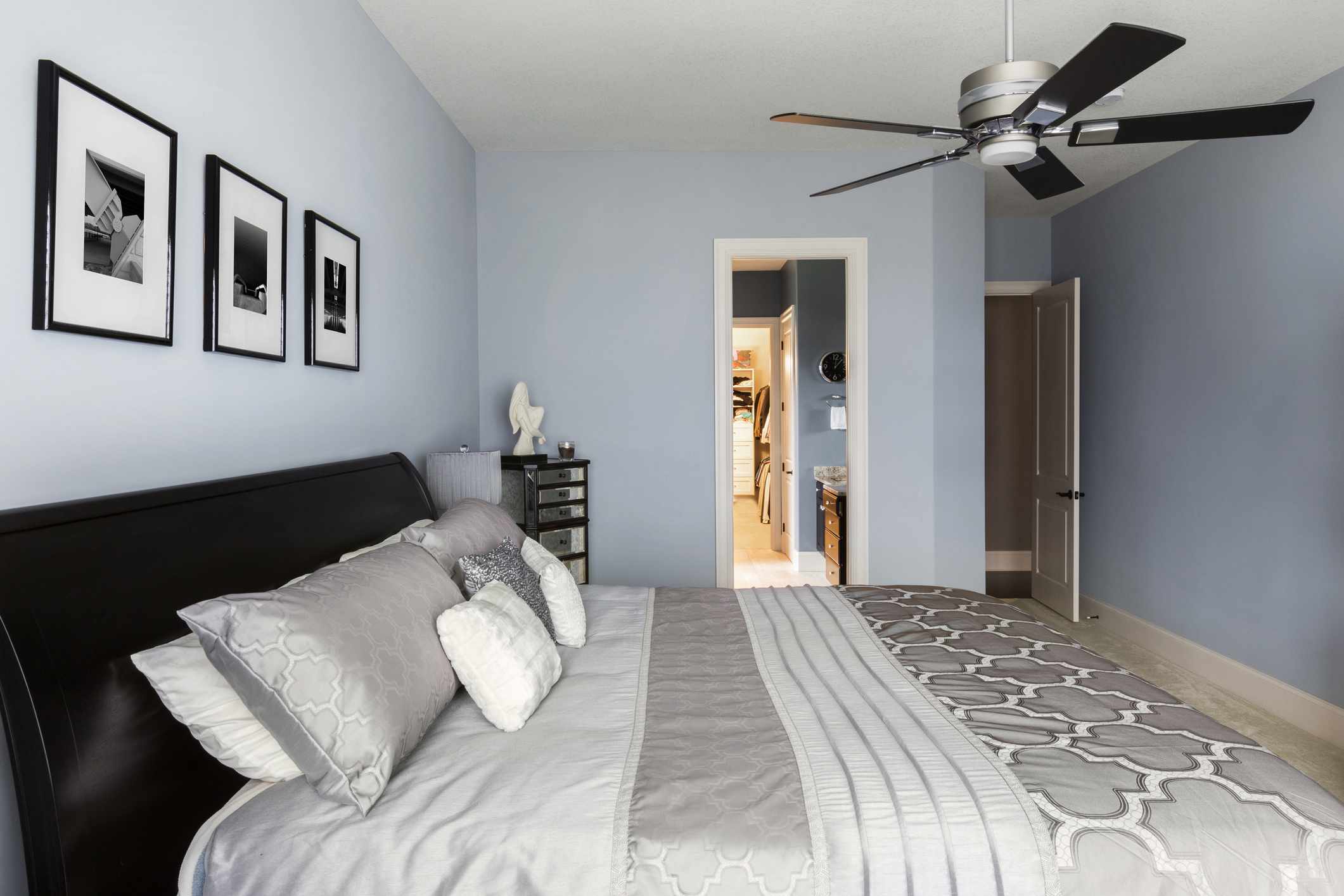
Ah, the ceiling fan. That tireless, ever-spinning sentinel of comfort. It’s been a fixture in homes for generations, a silent partner in our quest for the perfect indoor climate. We crank it up in summer, slow it down in winter, and generally take its presence for granted. But a question lingers in the minds of many: Should we leave it on when we're not home? Is it a simple energy waste, or is there some hidden benefit to keeping those blades in perpetual motion? The answer, as it often does, hinges on a few factors, and might just surprise you.
For the creative souls among us – the artists, the hobbyists, and even the casual learners – leaving the ceiling fan on, even when the house is empty, can offer some unexpected advantages. Imagine, for instance, a painter working with acrylics. A gentle breeze from the fan can help accelerate the drying process, allowing for quicker layering and a more efficient workflow. No more agonizing waits for each coat to set! Similarly, those crafting with glues or resins will find that consistent airflow can reduce drying times and minimize the risk of tackiness or unwanted imperfections.
Consider a sculptor working with clay. While direct blasts of air are a no-no (hello, cracking!), a softly circulating fan can help maintain a more even moisture level throughout the piece, preventing warping or uneven drying, especially in humid environments. And for the budding calligrapher, battling the sticky residue left by certain inks on warm, still days? A gentle whir overhead can be a lifesaver. Even digital artists can benefit! Keeping the air moving can help prevent dust buildup on sensitive equipment like tablets and drawing surfaces, extending their lifespan and ensuring optimal performance. Plus, the subtle white noise can be a surprisingly effective focus enhancer!
Must Read
The beauty lies in the control. You don’t need a gale force wind whipping through your living room. Experiment with different fan speeds to find the sweet spot. Consider the location of your workspace and adjust the fan accordingly. For instance, if you're working near a window, a higher speed might be needed to counteract drafts. If you're concerned about dust, ensure your fan blades are clean to begin with! Some fans even have a reverse function, which can gently circulate warm air downwards in winter, creating a more even temperature distribution and potentially saving on heating costs. Don't be afraid to experiment with different settings and observe how they affect your creative process.
So, before you automatically switch off that ceiling fan as you walk out the door, consider the potential benefits. It might just be the secret weapon you need to unlock your creative potential and make your artistic pursuits a little easier, and a lot more enjoyable. Beyond the practical benefits, there's something undeniably comforting about returning to a home that feels subtly alive, where the air is fresh and the fan is silently spinning, inviting you back into your creative sanctuary.