Should You Keep Batteries In The Refrigerator

Okay, gather 'round, friends, because we're about to dive into a topic that's sparked more debates than pineapple on pizza: should you keep batteries in the refrigerator? You know, that age-old question that probably keeps Thomas Edison up at night (if he were, you know, still around to ponder it).
I remember my grandma swore by it. Every time the remote died, she'd pull out a frosty AA from the back of the fridge, like it was some sort of miraculous energy elixir. "Keeps 'em fresh!" she'd declare, wielding it like a tiny, icy sword. But is there any truth to this chilling tale?
The Myth of the Frozen Power Cell
The idea behind refrigerating batteries stems from the notion that cold temperatures slow down the self-discharge rate. Basically, batteries naturally lose power over time, even when they're not in use. The theory is that popping them in the fridge puts their little electrical activity into slow motion, like a tiny hibernating bear.
Must Read
And hey, there was a time when this made a bit of sense. We're talking about the dinosaurs... or, okay, maybe just the older generation of batteries, like the zinc-carbon variety. These older batteries could benefit slightly from refrigeration, mostly in very humid climates. Think of it as giving them a tiny spa day to combat the humidity monster.
The Shocking Truth (Pun Intended!)
But here's the kicker: modern batteries, especially lithium-ion and alkaline, are a different beast altogether. They're designed to withstand a wider range of temperatures, and the benefits of refrigeration are, well, pretty much nonexistent. In fact, it could even be detrimental.
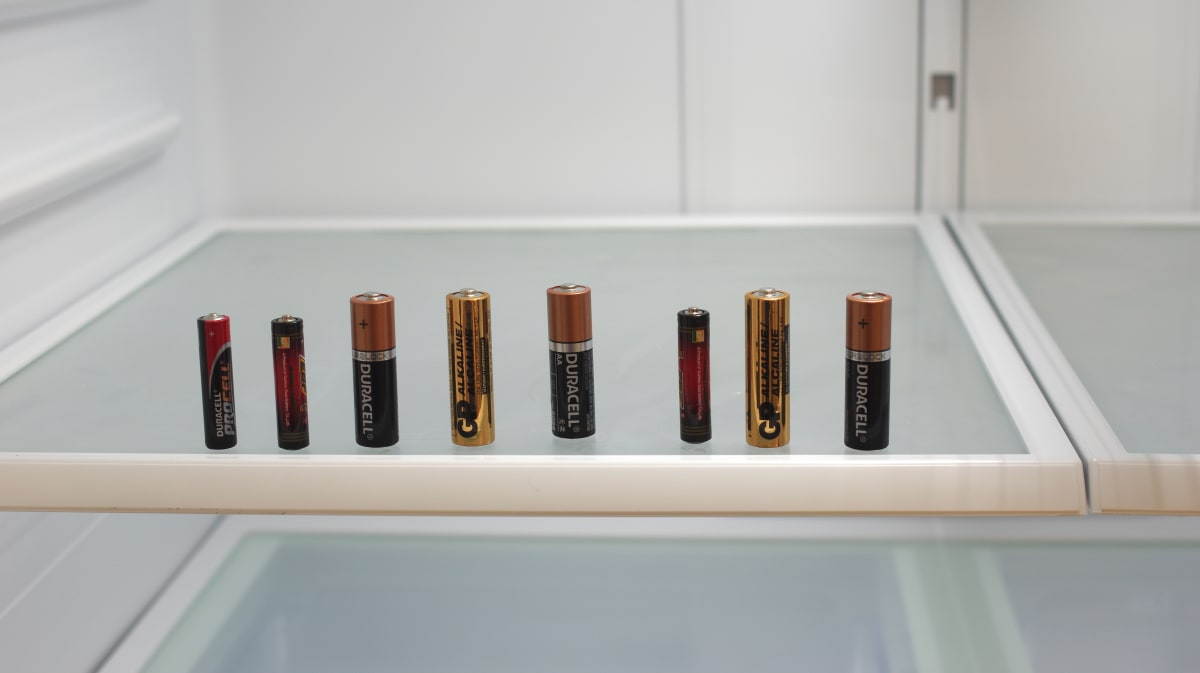
Imagine this: you pull a battery out of the fridge, all nice and cold. Then, you stick it into your remote, and suddenly it's exposed to room temperature. This temperature change can cause condensation to form inside the battery. And condensation, my friends, is basically battery kryptonite. It can lead to corrosion, reduced lifespan, and even battery leakage. Nobody wants battery acid oozing into their TV remote, right? That's a recipe for a very bad day (and a probably ruined remote).
The Humidity Hazard
Speaking of corrosion, the refrigerator itself is a pretty humid environment. All those yummy leftovers and fresh veggies release moisture, creating a veritable jungle for batteries. Humidity is the enemy of battery longevity. So, ironically, the fridge you're trying to protect your batteries in could actually be speeding up their demise. It’s like trying to protect yourself from rain by standing directly under a leaky gutter.
So, What's a Battery to Do?
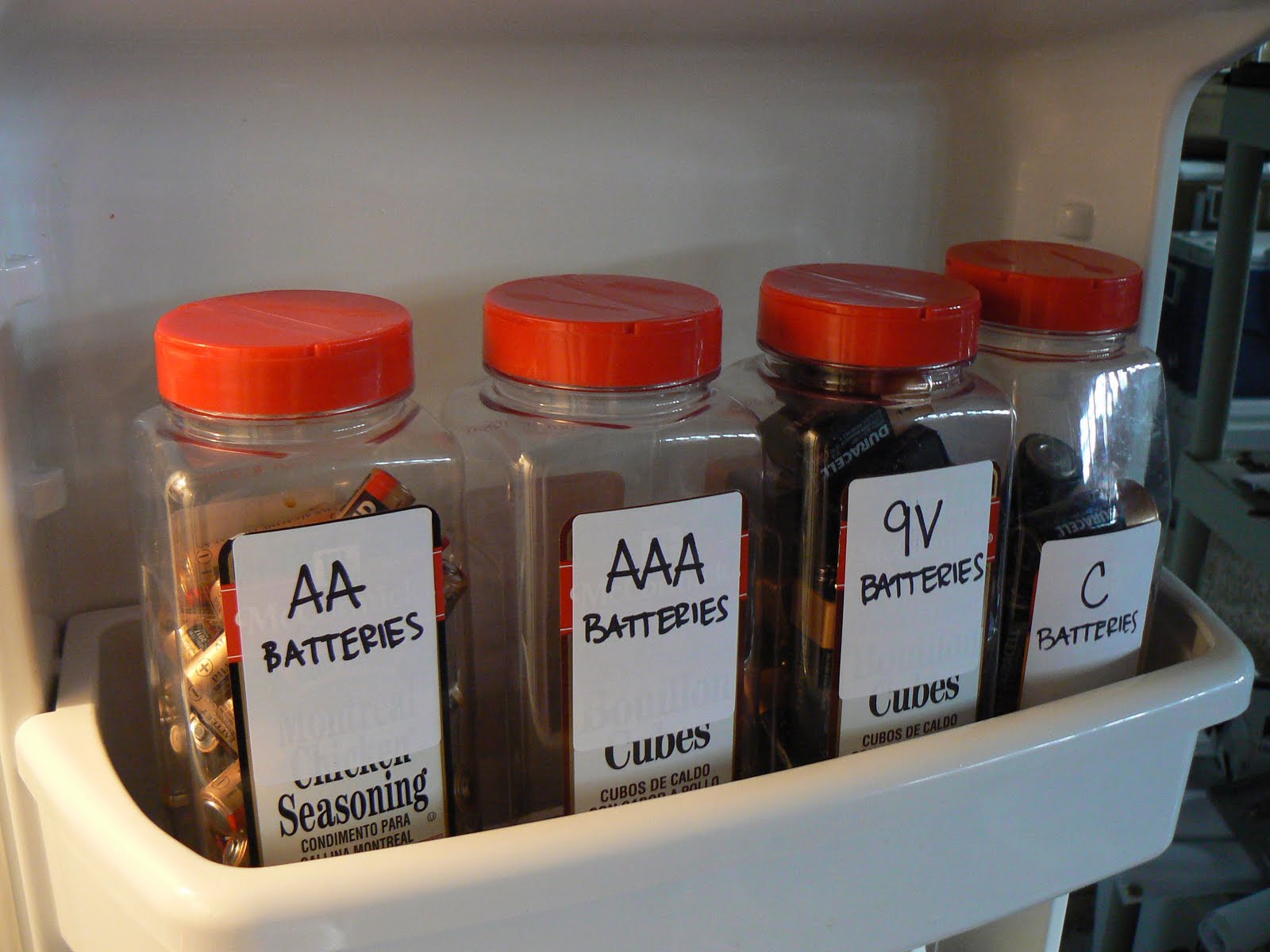
Okay, so if the fridge is a no-go, where should you keep your precious power sources? The key is a cool, dry place at room temperature. Think a drawer in your desk, a closet shelf, or even a dedicated battery storage container.
Important! Make sure to keep them away from direct sunlight and extreme heat. You don't want them turning into miniature exploding volcanoes. And always store them in their original packaging or in a container that prevents them from touching each other. This avoids short circuits, which can be a real buzzkill (another pun, sorry!).

The Verdict
So, should you keep batteries in the refrigerator? The answer is a resounding NO. Unless you're dealing with ancient zinc-carbon batteries and live in a rainforest, it's just not worth the risk. You're more likely to cause damage than to extend their lifespan.
Instead, embrace the cool, dry life for your batteries. Treat them with the respect they deserve. After all, they're the tiny powerhouses that keep our remotes, toys, and flashlights running. And remember, grandma might have meant well, but sometimes, even grandmas are wrong. (Don't tell mine I said that!). Besides, think of all the extra space in your fridge you'll now have for... well, more food!
Now, if you'll excuse me, I'm going to go check on my batteries. They're currently living their best lives in a nice, dry drawer, far away from the icy clutches of the refrigerator.