
Should My Fan Switch Be Up Or Down During Summer
Alright, picture this: you're lounging on your couch, popsicle melting a sticky river down your arm. The sun is blazing outside, and inside, it's...well, it's still pretty warm. You eye your ceiling fan, a silent promise of coolness hanging above. But wait! A critical question bubbles up in your brain: Up or down?
That’s right, folks, we're diving headfirst into the thrilling world of ceiling fan direction! Get ready to have your breezy summer dreams either validated or hilariously overturned.
The Great Fan Debate: Summer Edition
For too long, this vital piece of home climate control has been shrouded in mystery. Some say up, some say down, some just stare blankly at the ceiling and hope for the best. But fear not, intrepid homeowner! I'm here to shed some light on this crucial decision.
Must Read
Let’s tackle the summer heat head-on. Should your fan be spinning clockwise or counter-clockwise? This isn't just some idle question; it's a matter of comfort, savings, and possibly even your sanity (okay, maybe a slight exaggeration, but you get the idea!).
Down is the Way to Go!
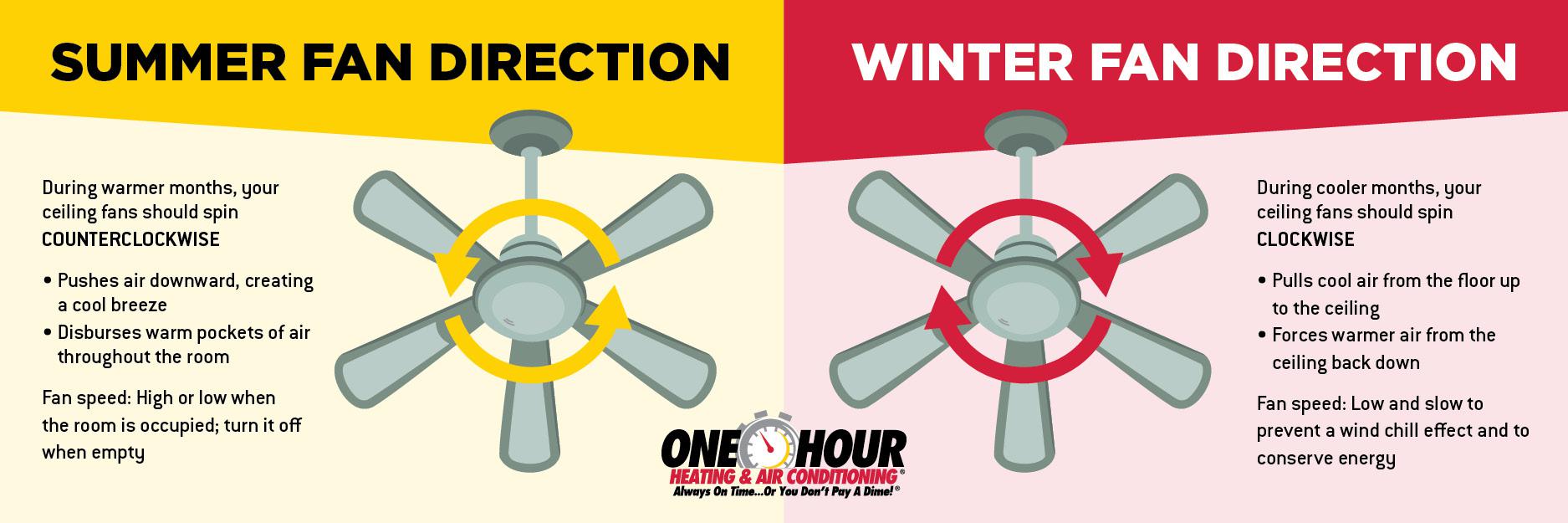
In the summertime, baby, you want that fan blowing downwards. Imagine a gentle (or not-so-gentle, depending on your fan speed) breeze caressing your skin. That's the goal! A direct downdraft creates a wind chill effect.
Think of it like standing in front of an open freezer (don't actually do that for extended periods, frostbite is no fun). The air is already cool, but the moving air feels even cooler. That's the magic of a downward-spinning fan!
This downward airflow is like a personal mini-hurricane, chasing away the stagnant air and making you feel oh-so-much cooler. It's like a refreshing high-five from the sky! Embrace it!
How Does It Work? (The Non-Boring Explanation)
Okay, okay, I know some of you are secretly craving a tiny bit of science. Here it is, in a nutshell: a downward-spinning fan doesn't actually cool the room. Gasp! Shock! Horror! I know, I know, it feels like a betrayal.
But what it does do is move the air around, creating that wind chill effect. This wind chill helps your sweat evaporate faster. And guess what? Evaporation is a cooling process! So, indirectly, your fan is helping you stay cooler. You're welcome, science enthusiasts!
It is like you’re standing on a beach. The air coming from the ocean is cool, and the wind is blowing on you, making you cooler than the air.
The "Up" Setting: A Winter Wonderland (Not Relevant Now!)
Now, let's briefly acknowledge the "up" setting. That’s for winter. It helps circulate warm air that rises to the ceiling, pushing it back down to where you can enjoy it. It is not what you should be using now. Just forget that that even exists.
During the summer months, the upward direction of the fan is not helpful at all. In the summer the heat rises. Do you want to just spread that heat around? I think not!
We’re focusing on summer coolness here, so let's pretend the "up" setting is just a myth, a legend whispered only in the darkest, coldest corners of the internet.

Signs Your Fan is Doing it Wrong
How do you know if your fan is betraying you and spinning in the wrong direction? Fear not, there are telltale signs!
If you stand directly under the fan and feel absolutely nothing, that's a red flag. You should be feeling a gentle (or forceful, depending on your preference) breeze. If it feels like the air is just... there, stagnant and unmoving, your fan is failing you.
Another sign is if you're still sweating profusely even with the fan on full blast. Yes, I know, summer is hot, but a correctly spinning fan should provide at least some relief.
Also, listen to your inner child! If something feels off, it probably is. Trust your instincts! Go with your gut feeling. If it feels like your fan is just mocking you from above, change that direction immediately.
The Remote Control: Friend or Foe?
Ah, the remote control. It is both the key to unlocking optimal fan performance, and a potential source of frustration and confusion.
Most modern ceiling fans come with a remote that allows you to adjust the speed and, crucially, the direction of the fan. But sometimes, these remotes are more cryptic than an ancient scroll. Take the time to understand your remote. A little research can save you a lot of sweating!
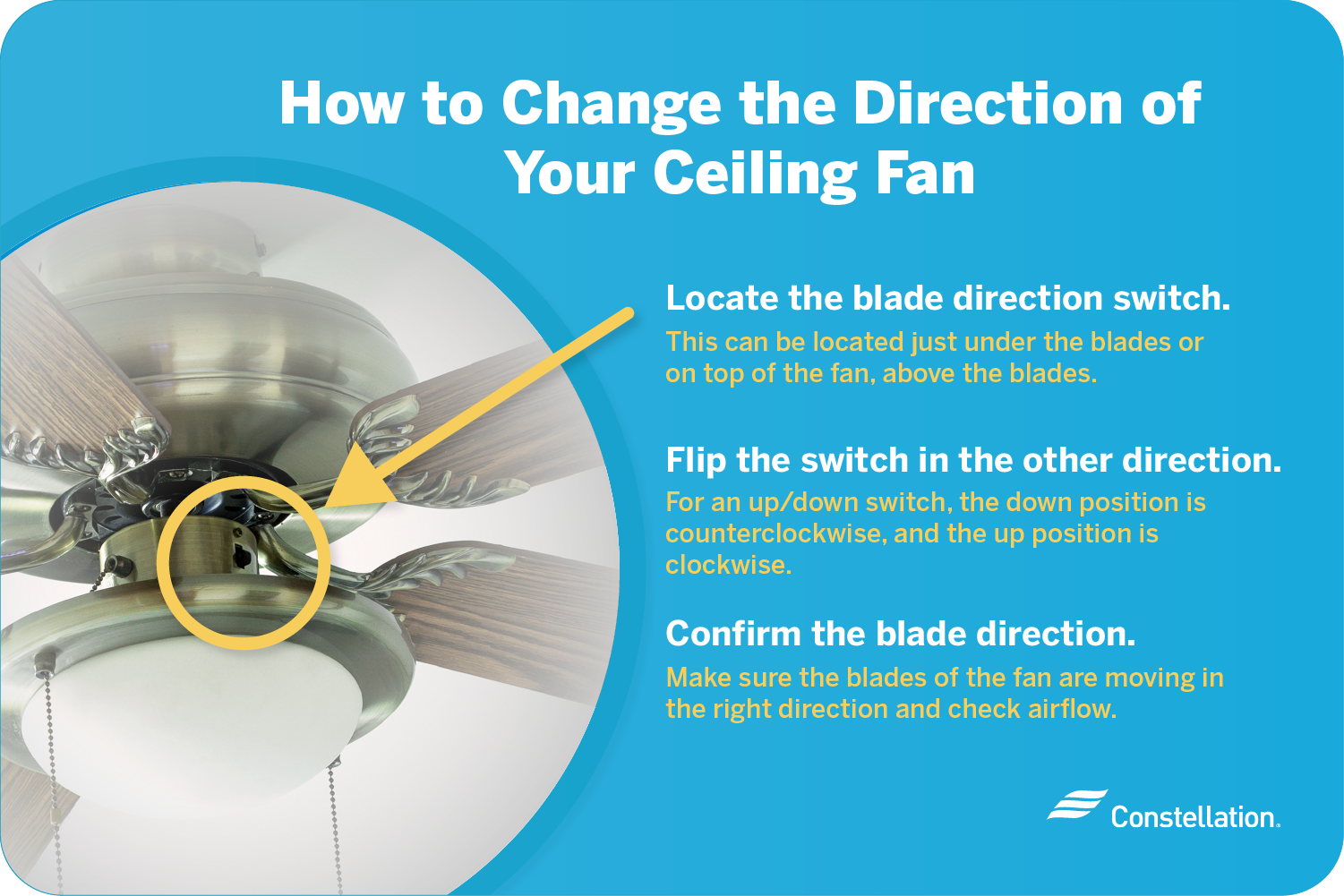
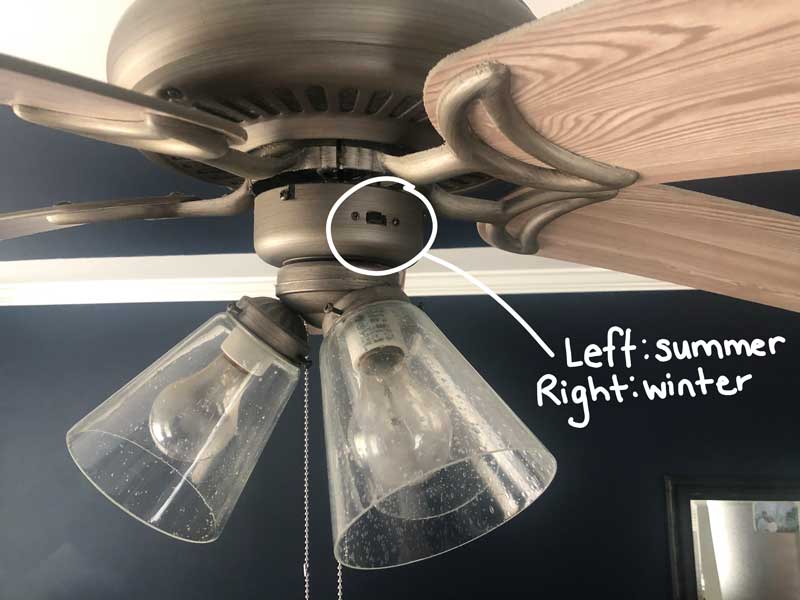
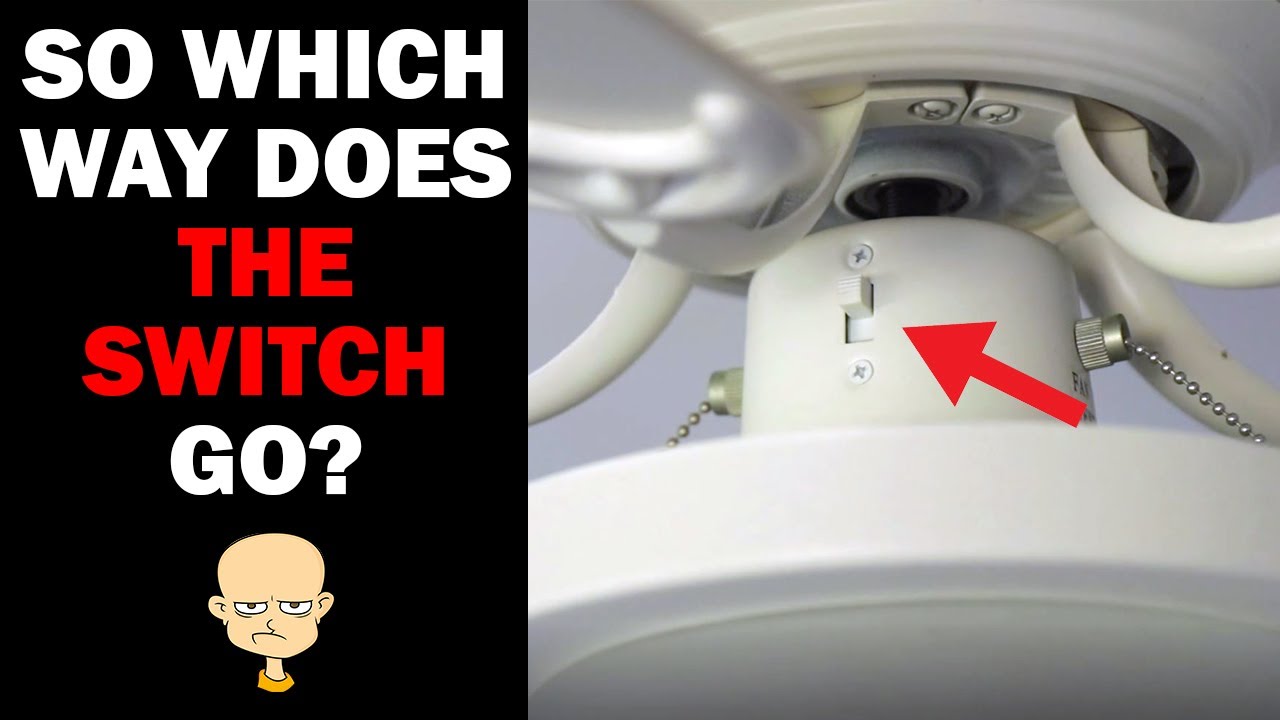
If your remote is missing or has mysteriously stopped working, don't despair! There's usually a switch located on the fan itself that controls the direction. You may need a step ladder. And always turn off the fan before messing with the switch. Safety first, friends!
Don't Forget the Speed!
So, you've got your fan spinning in the correct downward direction. Congratulations! You're halfway to achieving ultimate summer coolness. But don't stop there! Fan speed is just as important.
Start with a lower speed and gradually increase it until you find the perfect balance between gentle breeze and hurricane-force winds. There's no one-size-fits-all answer here. Experiment!
And don't be afraid to adjust the speed throughout the day. Maybe you want a gentle breeze while you're reading, and a more powerful gust while you're doing a sweaty workout. The choice is yours!
Bonus Tip: Fan Placement Matters!
While fan direction is crucial, don't forget about placement! A fan in the middle of a large room will be more effective than a tiny fan crammed into a corner.
Consider the size of your room and choose a fan that's appropriately sized. A too-small fan won't do much good, while a too-large fan might make you feel like you're living in a wind tunnel.
Also, think about the height of your ceiling. If you have very high ceilings, you might need a longer downrod to bring the fan closer to the floor and ensure that the airflow reaches you.
Embrace the Breeze!
So, there you have it! The definitive guide to ceiling fan direction for summer coolness. Remember, down is the way to go! Embrace the breeze, adjust the speed, and enjoy a sweat-free summer (or at least, a less-sweaty one).
Now go forth and conquer the heat! You've got the knowledge, the power, and the downward-spinning fan on your side. You got this!
And remember, if all else fails, just crank up the AC and blame it on global warming. Just kidding…sort of. Enjoy your summer!