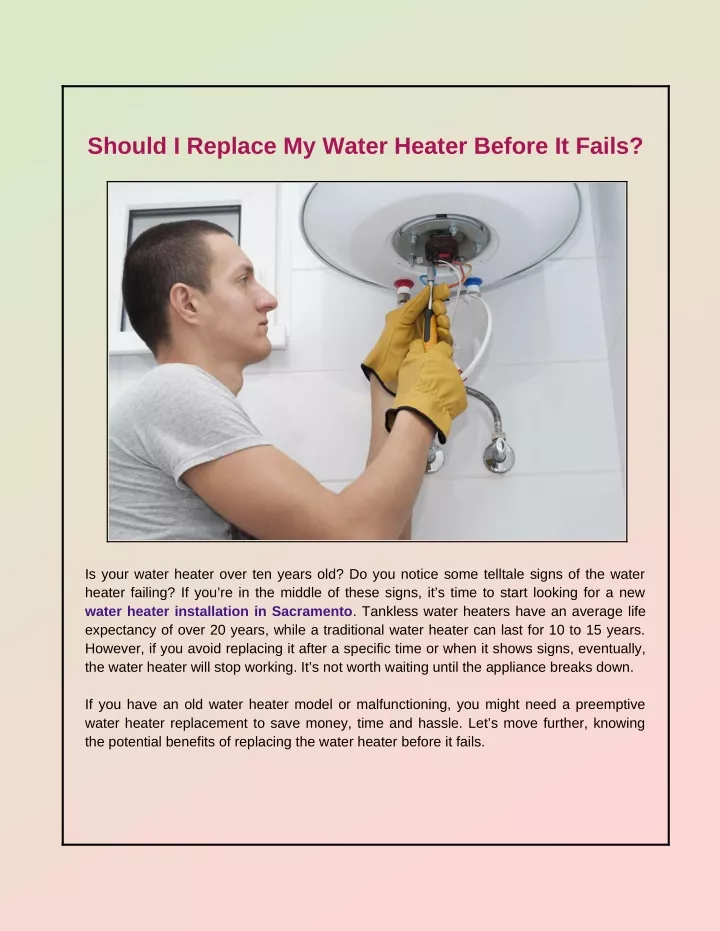
Should I Replace My Water Heater Before It Fails
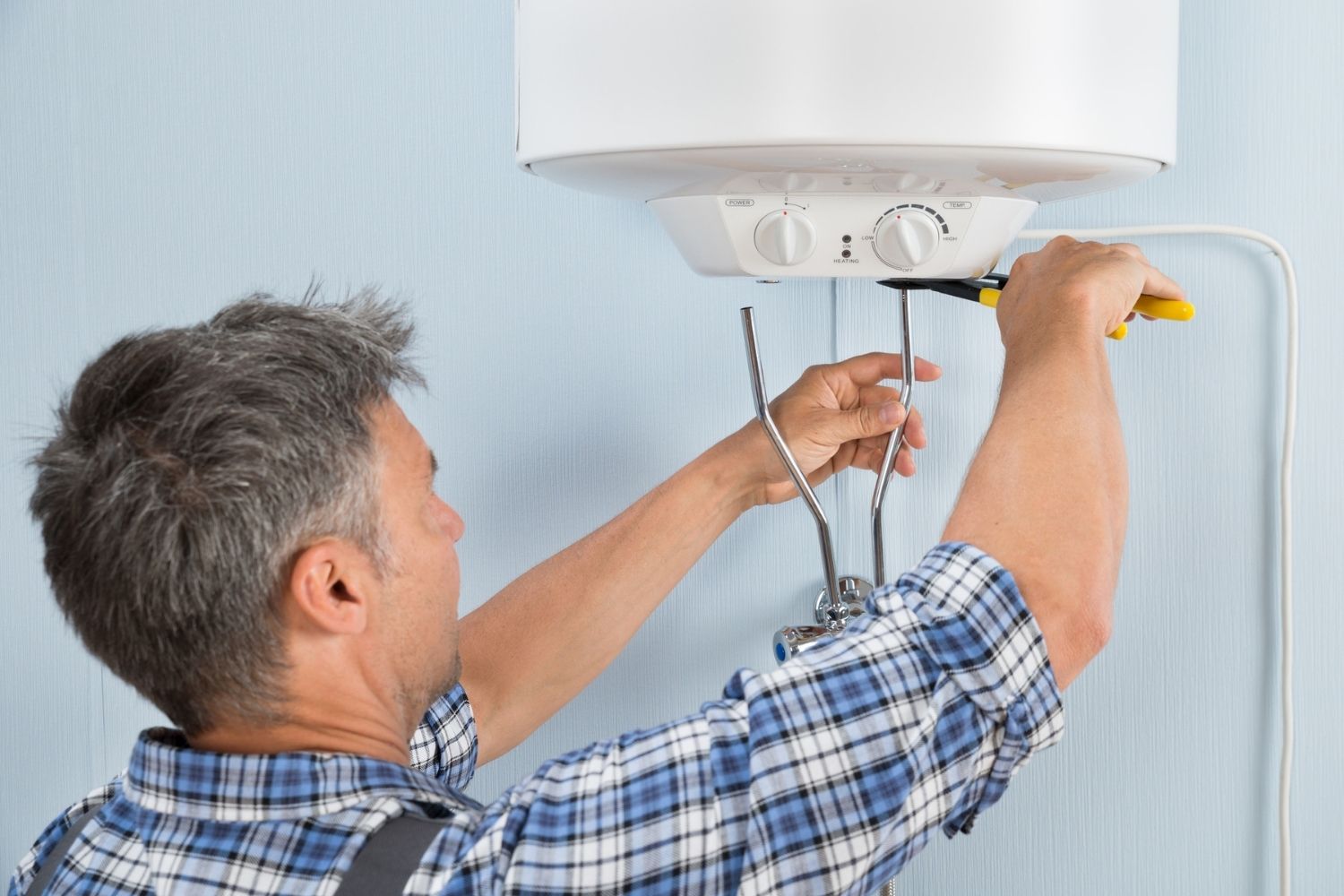
Hey there, friend! So, you're wondering about your water heater, huh? Specifically, whether you should be proactive and replace it before it decides to give up the ghost in the middle of winter? Good question! Let's dive in (pun intended!) and figure this out together.
The Dreaded "Cold Shower of Doom" Scenario
Nobody wants to start their day with a bracing, teeth-chattering cold shower. Seriously, nobody. It's right up there with stepping on a rogue LEGO brick in the dark. That’s what we want to avoid, right? That's where the whole "replace before failure" idea comes from. Think of it as preventative maintenance for your sanity (and your shower experience!).
But how do you know if your water heater is nearing its expiration date? Well, that's the million-dollar question, isn't it? (Okay, maybe not a million dollars, but definitely a few hundred… or even a thousand!)
Must Read
Signs Your Water Heater Might Be On Its Last Leg
Here are a few clues that your water heater might be planning its retirement party:
- Age: This is a big one. Most water heaters have a lifespan of 8-12 years. Check the manufacturer's label for the date of manufacture. If it's approaching its golden years, start thinking about a replacement. Consider it like dog years, only for appliances. If it is 10 years, that means it has been 70 years for the water heater!
- Strange Noises: Is your water heater making more noise than a toddler with a drum set? Rumbling, popping, or banging sounds can indicate sediment buildup, which reduces efficiency and can eventually lead to failure. Maybe it's just trying to communicate its unhappiness?
- Rusty Water: Seeing rusty water? This could mean corrosion inside the tank. Not ideal for your skin, your pipes, or your sanity. Time to investigate! And maybe avoid white shirts for a while.
- Leaks: Obvious, right? But even small leaks can be a sign of bigger problems. Don't ignore them! Little drips become big problems faster than you can say "plumber bill."
- Reduced Hot Water: Are you suddenly running out of hot water faster than usual? This could indicate sediment buildup, a failing heating element, or other issues. Your showers shouldn't be timed events to conserve hot water!
The Pros and Cons of Proactive Replacement
Let's weigh the options, shall we?

Pros:
- Avoid an Emergency: No cold showers, no sudden floods, no frantic calls to the plumber at 3 AM. Priceless!
- Choose Your Replacement: You get to research and select the best model for your needs and budget, instead of being forced to grab whatever's available in an emergency. Think of it as water heater shopping with a clear head (and dry feet!).
- Increased Efficiency: Newer models are often more energy-efficient, saving you money on your utility bills. Who doesn't love saving money? It's like finding a twenty in your old jeans!
- Peace of Mind: Knowing you have a reliable water heater will give you one less thing to worry about. And in today's world, we could all use a little less stress!
Cons:
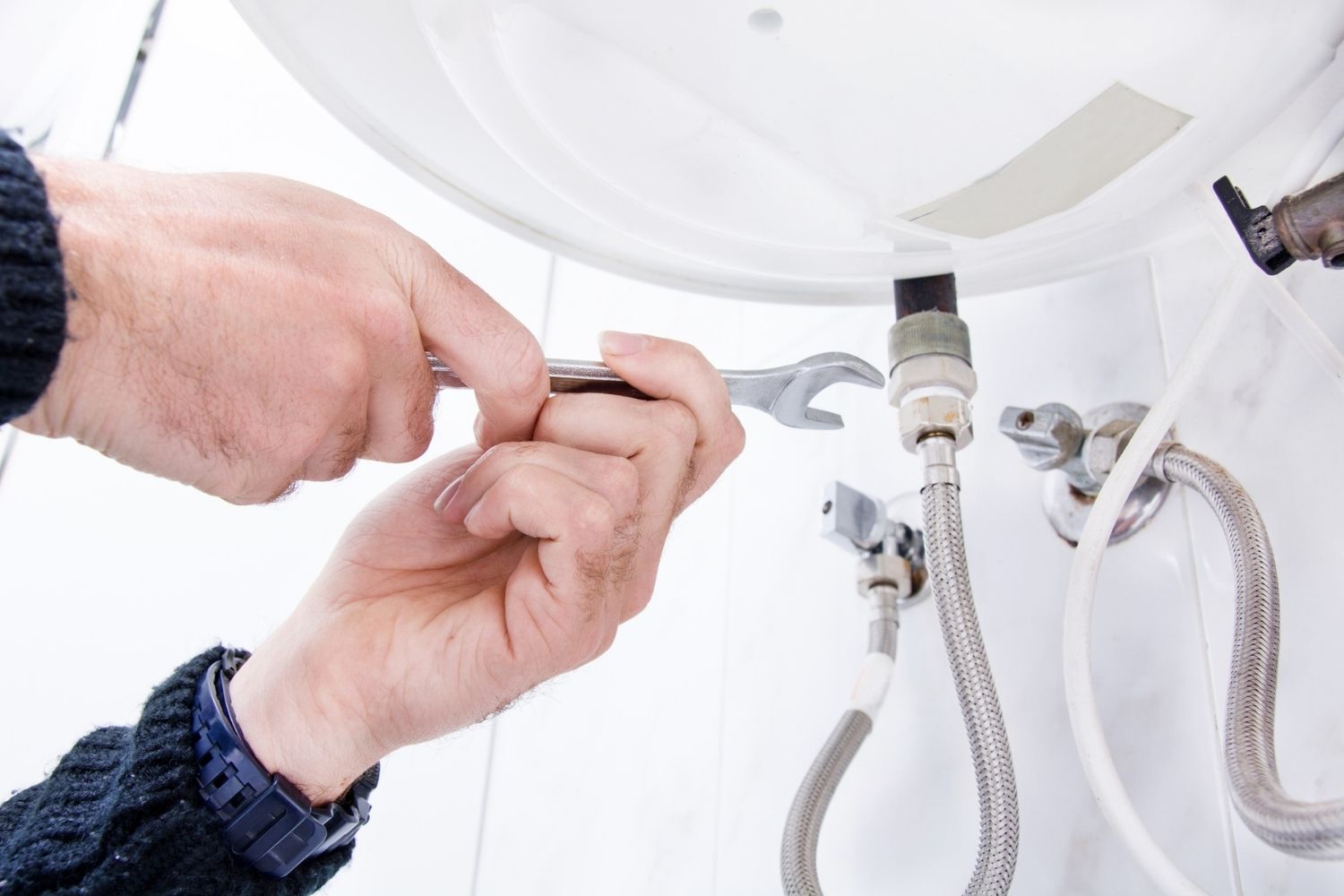
- Cost: Water heaters aren't cheap. Replacing one requires an upfront investment.
- Potential for Wasted Life: If your old water heater still has some life left, you might feel like you're throwing money away.
So, What's the Verdict?
Okay, here's the honest truth: there's no one-size-fits-all answer. It really depends on your individual circumstances. However, generally, if your water heater is approaching or past its expected lifespan and you're seeing some of the warning signs mentioned above, then replacing it proactively is probably a good idea. Think of it as an investment in your future comfort and avoiding a potential plumbing catastrophe.
If your water heater is relatively new and showing no signs of trouble, then you can probably hold off for a while. Just keep an eye on it and be aware of the potential warning signs.
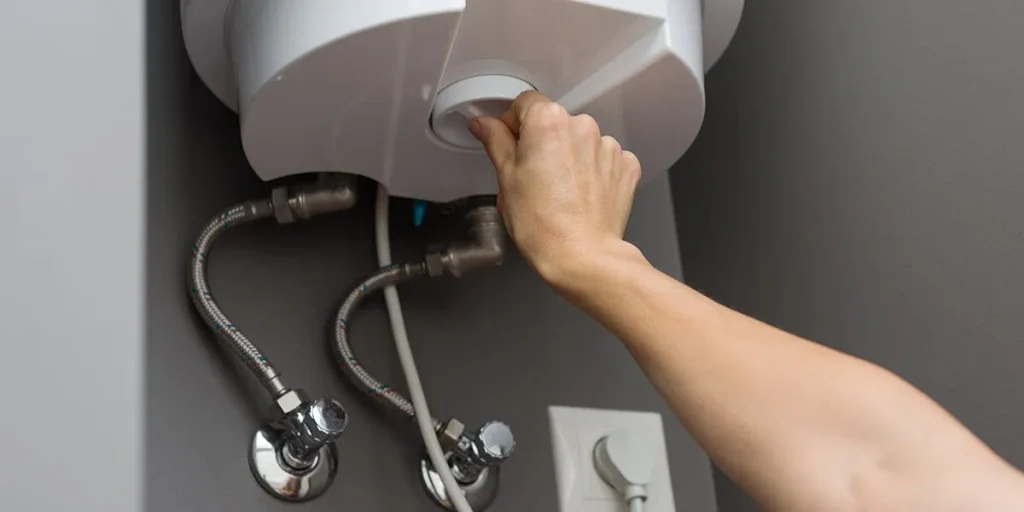
The Bottom Line
Ultimately, the decision is yours. Do your research, weigh the pros and cons, and listen to your gut. And remember, a little preventative maintenance can go a long way towards keeping your showers warm and your stress levels low. Besides, a new water heater gives you bragging rights at your next neighborhood barbecue, right? "Oh, this old thing? Just replaced it. Super efficient model, you know."
Whatever you decide, I hope this helps! Now go forth and conquer the world of hot water... or at least schedule a plumber to take a look! You got this!