Should I Charge My Phone To 100
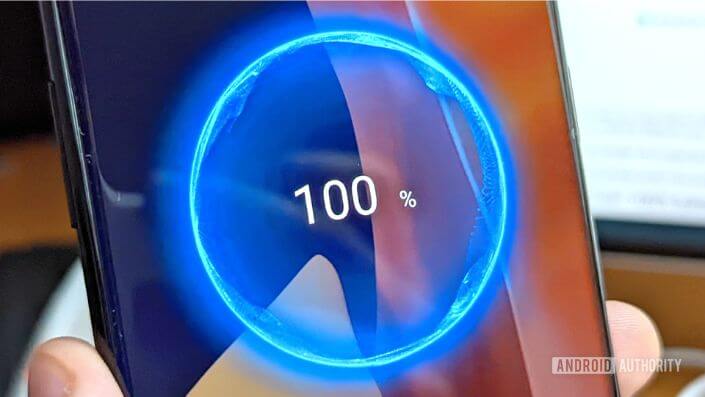
Ever plug in your phone, see that glorious 100% battery icon, and feel a little burst of satisfaction? We all do! It’s the digital equivalent of a full tank of gas, ready for whatever the day throws at us. But have you ever paused to wonder if consistently topping up to that absolute maximum is actually the best thing for your beloved device? It’s a question that pops up surprisingly often, whispered among friends, or debated in tech forums. And honestly, it's a pretty fun little mystery to unravel, especially since it impacts something we use countless times a day.
So, what's the big deal with 100%? The core purpose of understanding our charging habits, particularly around that full mark, is all about longevity and efficiency. Our smartphones, tablets, and even laptops primarily use lithium-ion batteries, which are fantastic, but they do have a finite lifespan. Think of it like a tiny, invisible clock ticking down from the moment they're manufactured. The benefit of knowing how to treat them well means your phone battery stays robust for longer, potentially saving you the cost and hassle of an early battery replacement or, worse, having to upgrade your entire device sooner than planned. It’s about being a smarter, more environmentally conscious consumer, getting the most out of our gadgets before they become e-waste.
This isn't just a niche tech obsession; it has real applications in our daily lives and even offers a glimpse into basic science. In your daily routine, knowing this means you might adjust when you plug and unplug your charger. Instead of leaving it on overnight for a full 8 hours, perhaps you become more mindful of that "sweet spot" percentage. For educators or curious minds, it's a fantastic real-world example of chemistry and energy management. Imagine explaining oxidation and reduction reactions, or the concept of battery cycles, using something as relatable as a smartphone! It helps demystify the tech we rely on and empowers us to make better choices about how we interact with our electronics, fostering a greater appreciation for the engineering inside.
Must Read
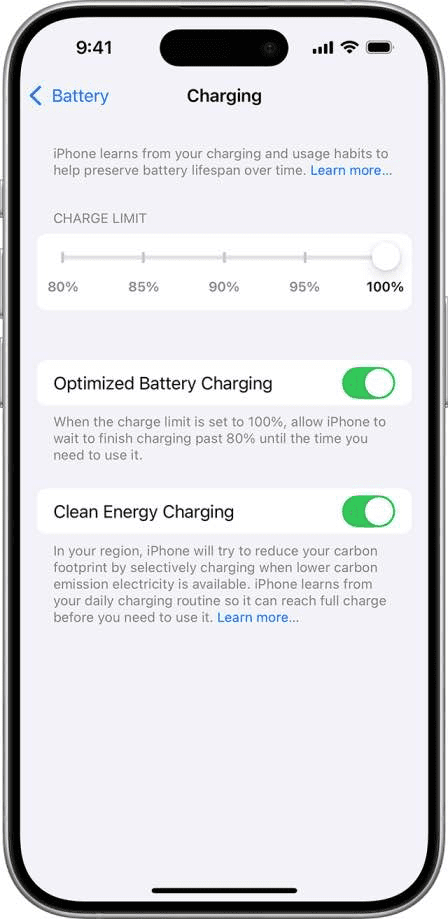
Ready to try being a battery guru without really trying? Here are a few practical, relaxed tips to explore this concept. First, don't stress! Modern phones are smarter than ever. Many have an "optimized battery charging" feature (check your settings, Apple users will find it under Battery Health, Android users often have "Adaptive Charging" or similar), which learns your routine and holds off on hitting 100% until just before you typically wake up or need your phone. It’s like having a tiny, clever battery assistant. But if you want to be proactive, try the "20-80 rule": aim to keep your battery between 20% and 80%. It's not a hard-and-fast law, but it generally reduces the strain on the battery. Think of it as giving your battery a comfortable mid-range playground rather than making it perform at the extreme ends. Avoiding extreme temperatures – both hot and cold – is also a big win for battery health. Ultimately, it’s about gentle care rather than rigid rules. A little curiosity can go a long way in making our devices last longer and perform better!