
Shore A Vs Shore D Durometer
Ever picked up something new and just felt it? Maybe it was that super comfy new phone case that seemed to absorb any bump, or perhaps a new set of cutting boards that felt solid as a rock. Or maybe you've just wondered why your car tires feel different from your running shoes. Well, my friend, you've just had a moment with something called durometer!
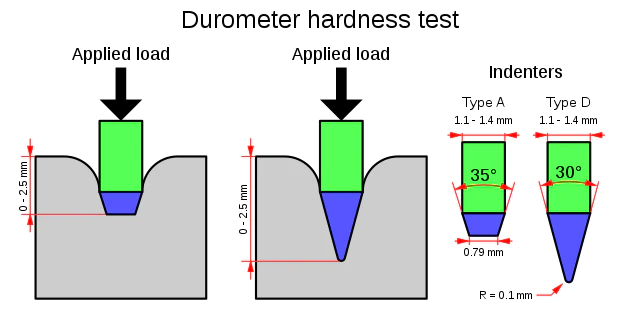
Sounds fancy, right? But don't let the big word scare you. Durometer is just a clever way we measure how squishy or how firm a material is. Think of it like a thermometer, but instead of telling you hot or cold, it tells you soft or hard. And just like we have Celsius and Fahrenheit, when it comes to measuring how tough or tender things are, we often use two main scales: Shore A and Shore D.
Meet Shore A: The Squishy Scale
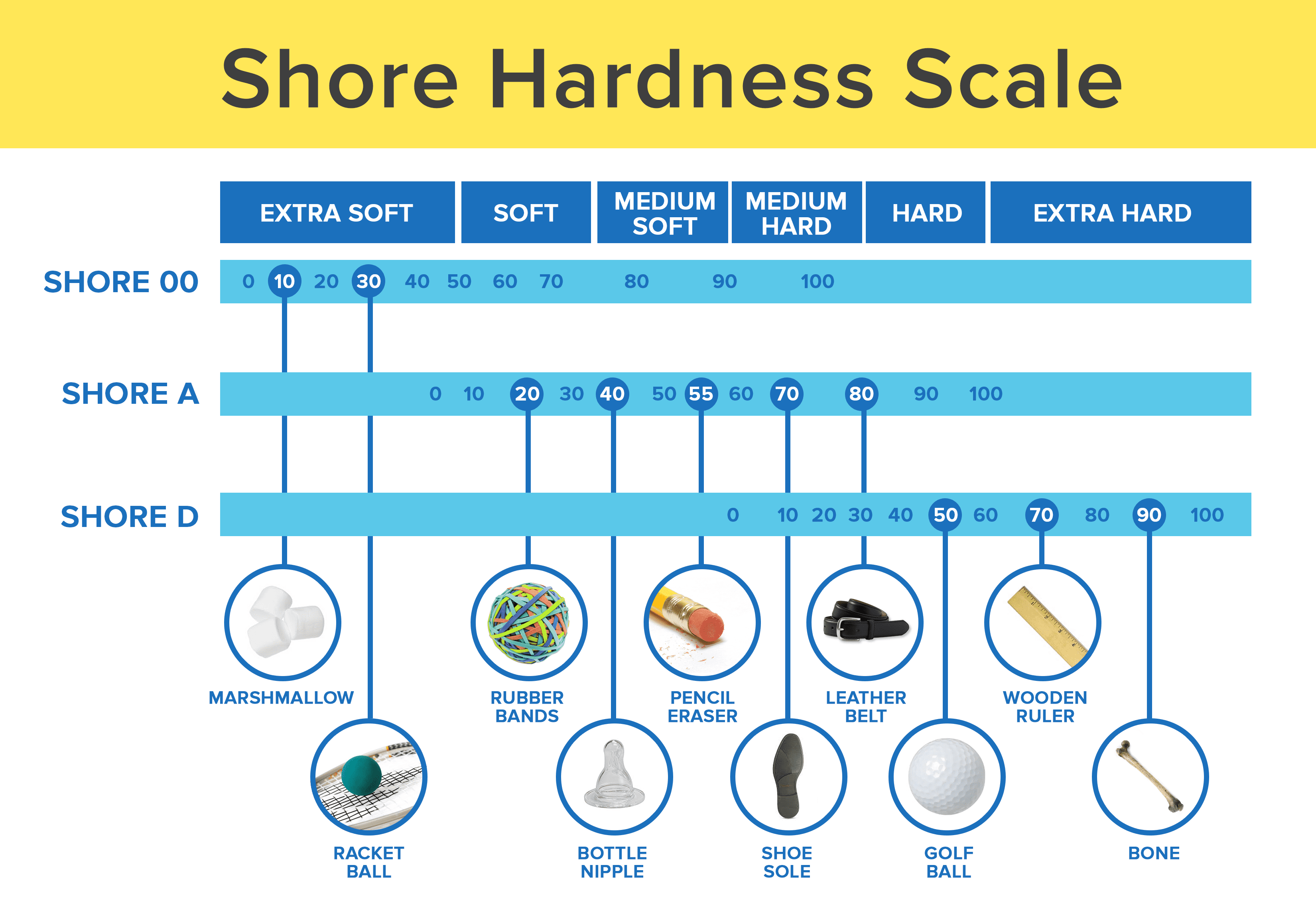
Imagine your favorite gummy bear. Soft, chewy, delightfully yielding, right? That's firmly in Shore A territory. This scale is all about the softer, more flexible materials in our lives. Things that have a bit of give, that you can press your thumb into and leave a temporary dent.
Must Read
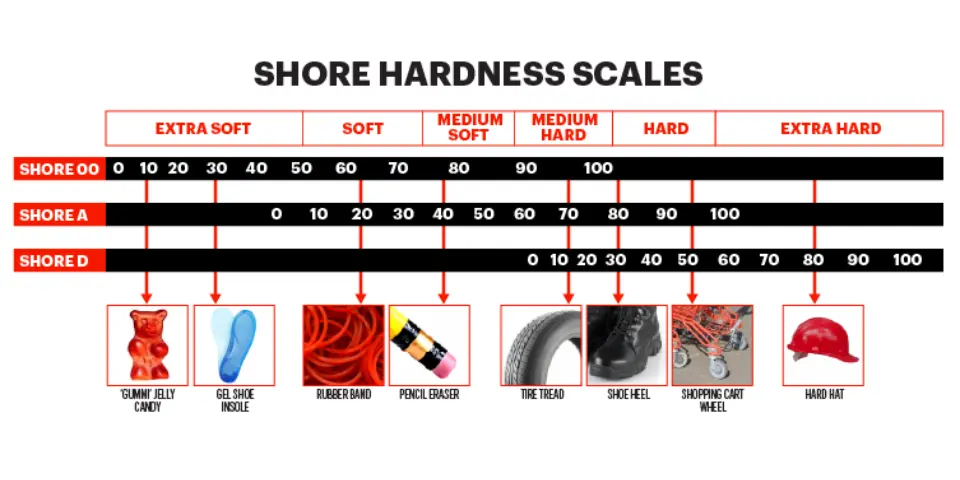
A lower Shore A number means it's super soft, like a gel insole or a very soft silicone baking mat. As the number goes up (say, from 20A to 80A), the material gets progressively firmer, but it still maintains its flexibility. Think of your everyday car tire – it needs to be tough but also able to flex and grip the road. That's a good example of a mid-to-high Shore A material.
Other familiar faces in the Shore A club? Your trusty rubber bands, the soles of your sneakers, those comfy silicone spatulas that scrape every last bit out of the bowl, and even the rubber seals around your windows. They're all designed with just the right amount of squish to do their job perfectly.

Now, Say Hello to Shore D: The Sturdy Scale
Now, let's switch gears. Try to squish a skateboard wheel. Go on, give it a try! Not much give there, is there? That's where Shore D steps in. This scale is for the heavy hitters, the more rigid plastics, and harder rubbers that don't want to yield easily.
If Shore A is your gummy bear, then Shore D is more like a bowling ball. We're talking about materials that are quite firm, offering strong resistance to indentation. A lower Shore D number might be a fairly stiff plastic bottle, while a higher Shore D number could be something incredibly hard and rigid, like a hard hat or a plumbing pipe.

You'll find Shore D materials in things like plastic cutting boards (you definitely don't want those bending when you're chopping veggies!), construction helmets, PVC pipes, and many of the hard plastic casings around your electronics. They're built for durability and stiffness, offering protection and stability where flexibility isn't the goal.
Why Should You Care? Because Your Daily Life Depends On It!
So, why should you, an everyday reader, give a hoot about Shore A and Shore D? Because these numbers are the unsung heroes behind so many of the products you use, ensuring they perform exactly as they should, keeping you safe, comfortable, and happy!
Comfort & Performance: Think about your running shoes. The super soft, bouncy foam under your foot? That's a carefully chosen Shore A for maximum cushioning. But the hard plastic shank that gives your foot stability? That's heading into Shore D territory. Together, they create the perfect balance of comfort and support.
Safety First: What if your car tires were made of bouncy Shore 20A material? You'd be sliding everywhere! And if your phone case was a rock-hard Shore 90D, it might protect against scratches, but it wouldn't absorb any impact if you dropped it. Manufacturers precisely choose the Shore A for tires (for grip and wear) and Shore A for phone cases (for shock absorption) to keep you and your gadgets safe.
Durability & Function: Imagine a kitchen spatula that was Shore 80D. It would be a rigid stick, useless for scraping! Or a cutting board that was Shore 30A – it would dent with every chop. The right durometer ensures your tools do their job effectively and last a long time.
The "Goldilocks Effect": It's all about finding "just right." If your skateboard wheels are too soft (too low Shore D), they'll be slow and wear out fast. Too hard (too high Shore D), and they'll be bumpy and offer poor grip. Manufacturers are constantly seeking that sweet spot.
So, the next time you pick up a bouncy toy, pull on your sneakers, or marvel at how sturdy your picnic cooler is, take a moment to appreciate the science behind its feel. That little difference in squish or firmness isn't accidental – it's a deliberate choice based on Shore A or Shore D, making your world a little bit better, one perfectly chosen material at a time. It’s a quiet testament to thoughtful design, ensuring that everything in your life has just the right give... or not!