
Shore A To Shore D Conversion

Ever wondered why some squishy things are super squishy, and others are just... well, less squishy? And how engineers, bless their clever socks, actually measure that squishiness? Welcome, my friend, to the wonderful world of Shore Hardness!
Think of it this way: you wouldn't use a kitchen scale to weigh a blue whale, right? And you wouldn't use a crane to pick up a single M&M. Different tools for different jobs! The same goes for measuring how hard (or soft) a piece of rubber or plastic is. That's where Shore A and Shore D come into play.
What's the Squish-o-Meter All About?
We're talking about a tool called a durometer. Sounds a bit like a supervillain, doesn't it? "Fear my Durometer Ray!" But it's actually just a device that measures how much a material resists indentation.
Must Read
There are different Shore scales, but the two big ones you'll bump into are Shore A and Shore D. They're like cousins in the squish-measuring family, each with their own specialty.
-
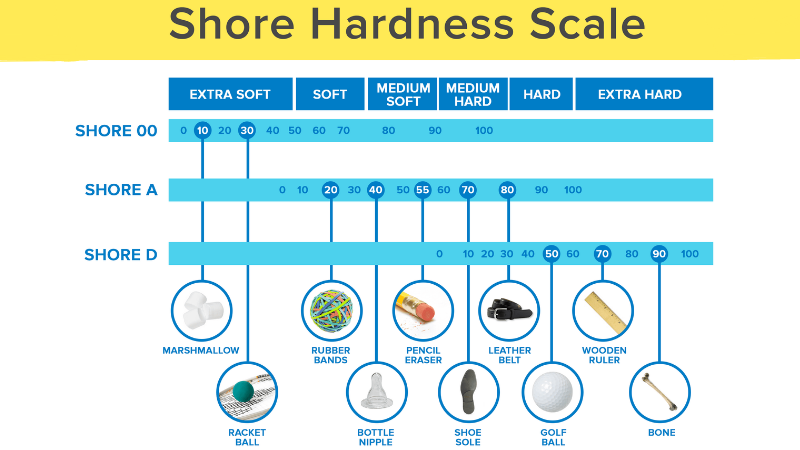
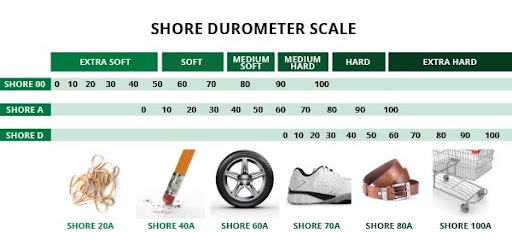
Shore A: This is for the softer, gummier materials. Think rubber bands, gel insoles, those bouncy rubber ducks in your tub (don't judge, we all have one!). If you can easily make a dent with your fingernail, it's probably in the Shore A range.
Shore A vs. Shore D Hardness: Differences & Uses -
Shore D: Now, this scale is for the tougher stuff. We're talking hard plastics, bowling balls, car tires (definitely don't try to dent those with your fingernail!), or those really firm skateboard wheels. If it feels solid and unyielding, Shore D is its jam.
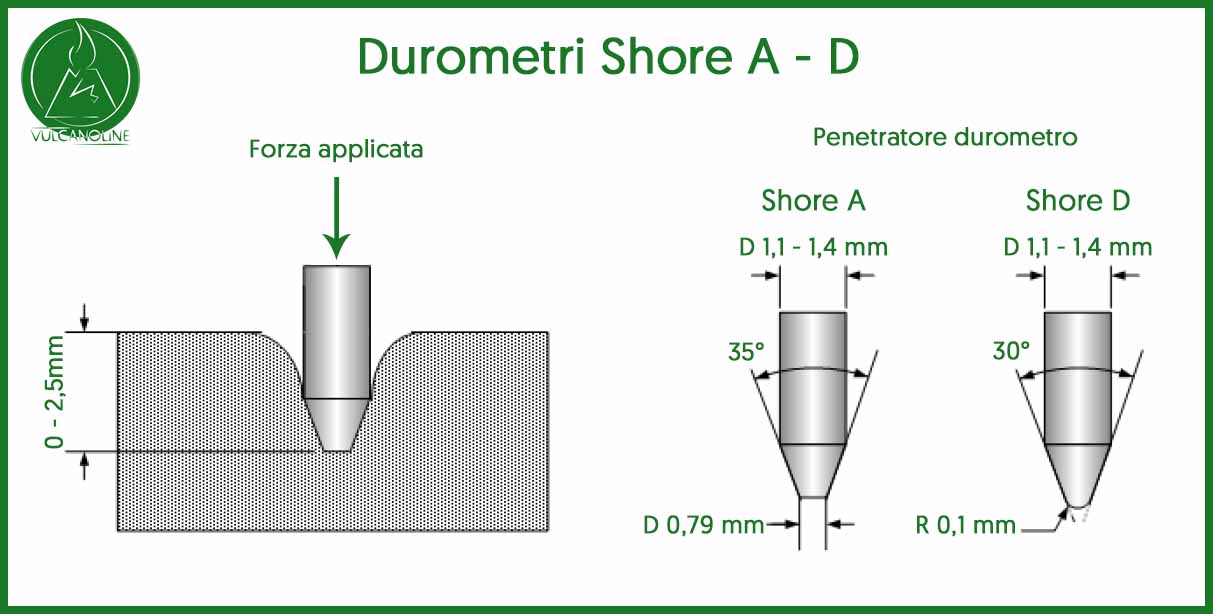
Each scale uses a slightly different shaped indenter and spring force, which is why they're good at their specific ranges. It’s like using a soft blunt pencil for Play-Doh and a sharp metal needle for wood – different tools for different textures!
Why Bother Converting Shore A to Shore D?
Okay, so you've got your squishy scale (Shore A) and your tough scale (Shore D). But what happens if you're dealing with a material that's a bit of a fence-sitter? It's too hard for Shore A to give a really precise reading, but maybe not quite hard enough for Shore D to feel comfortable. Or, perhaps you have an old specification in Shore A, but your new material is being tested on a Shore D durometer.
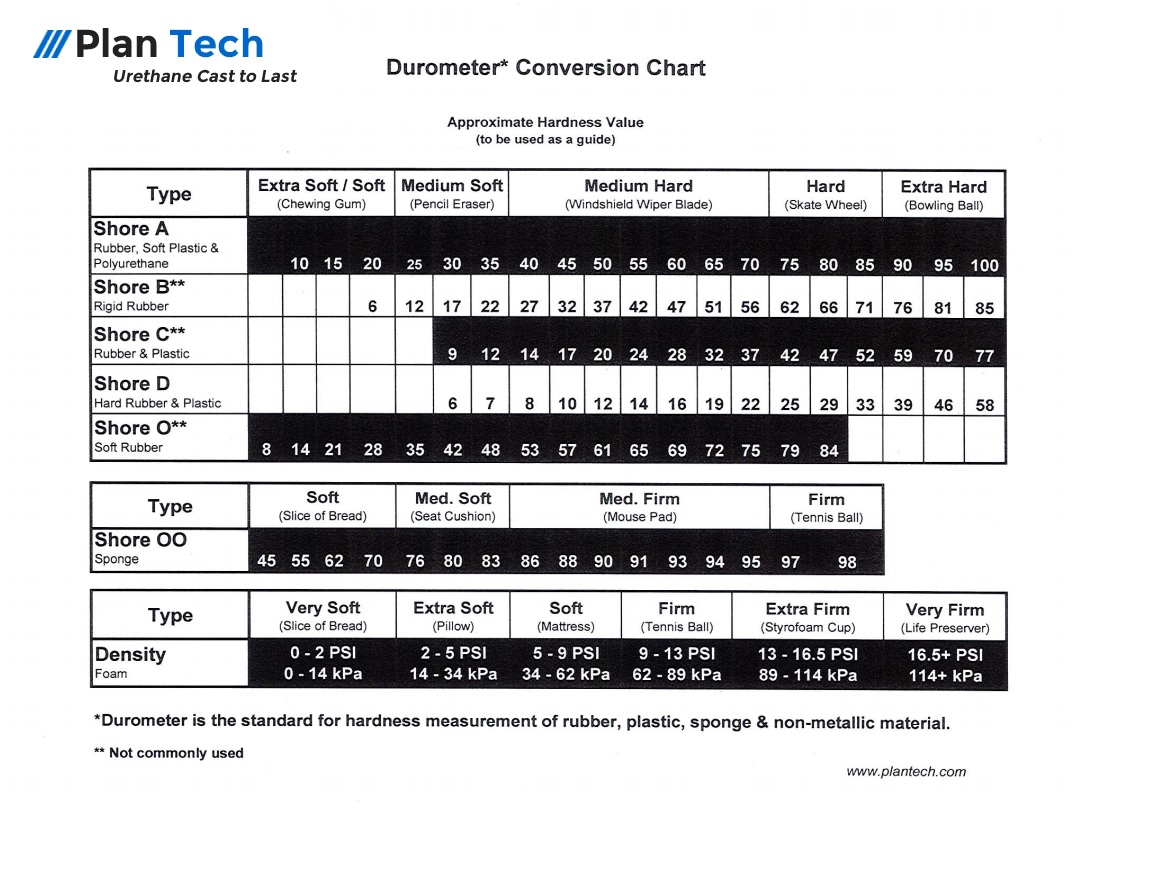
That's where the idea of Shore A to Shore D conversion pops up! It's like trying to translate between two slightly different dialects of the same language. You want to understand what a "70 Shore A" material might feel like if it were measured on the Shore D scale, or vice-versa.
The Great Conversion Caper (It's an Approximation!)
Here's the super important, bolded, underlined, flashing neon sign truth: Shore A to Shore D conversion is always an approximation!
You can't just plug numbers into a perfect formula and get an exact, universally true answer. Why? Because the scales are different, the indenters are different, and most importantly, different materials behave differently. A very hard rubber won't necessarily convert to Shore D the same way a semi-rigid plastic would, even if they had the same Shore A reading.
Think of it like converting your age from "years lived on Earth" to "years lived on Mars." There's a formula, but it's not a direct 1:1 swap because the planets are just different! Similarly, a Shore A 95 is generally considered to be in the ballpark of a Shore D 40-50, but don't bet your house on it being exactly 47.345 Shore D every single time.
Engineers and material scientists often use conversion tables or charts that have been developed through lots of testing for specific types of materials. These tables show areas of overlap where a material might be measurable on both scales, giving you a rough idea.
For example, something that registers as Shore A 95-98 is often where the overlap occurs and you might start considering the Shore D scale. If you're getting readings consistently above Shore A 90-95, it's probably time to switch to a Shore D durometer for more accurate, reliable results.
The key takeaway is that these conversions are super useful for comparing materials, getting a general idea of hardness, or understanding legacy specifications. But for critical applications, you should always measure directly on the appropriate scale for your material.
So, You're Now a Squish Expert!
And there you have it! From rubber ducks to road tires, you now understand the subtle art of measuring squishiness and the practical (but often approximate) science of Shore A to Shore D conversion. It's a fun little corner of material science that helps us ensure everything from comfy shoe soles to robust industrial parts is just the right consistency.
So next time you pick up something squishy, give it a little squeeze. You'll not only appreciate its texture but also have a secret, knowing smile that you understand the Shore of it all. Go forth and conquer the world, one perfectly measured squish at a time!