
Sheet Metal Stainless Steel Gauge Thickness

Alright, let's talk about something that might sound drier than a week-old bagel: stainless steel sheet metal gauge thickness! But trust me, this is way more interesting than it sounds. We're diving into the world of metal, measurements, and making sure your stuff doesn't fall apart.
What in the Gauge is Going On?
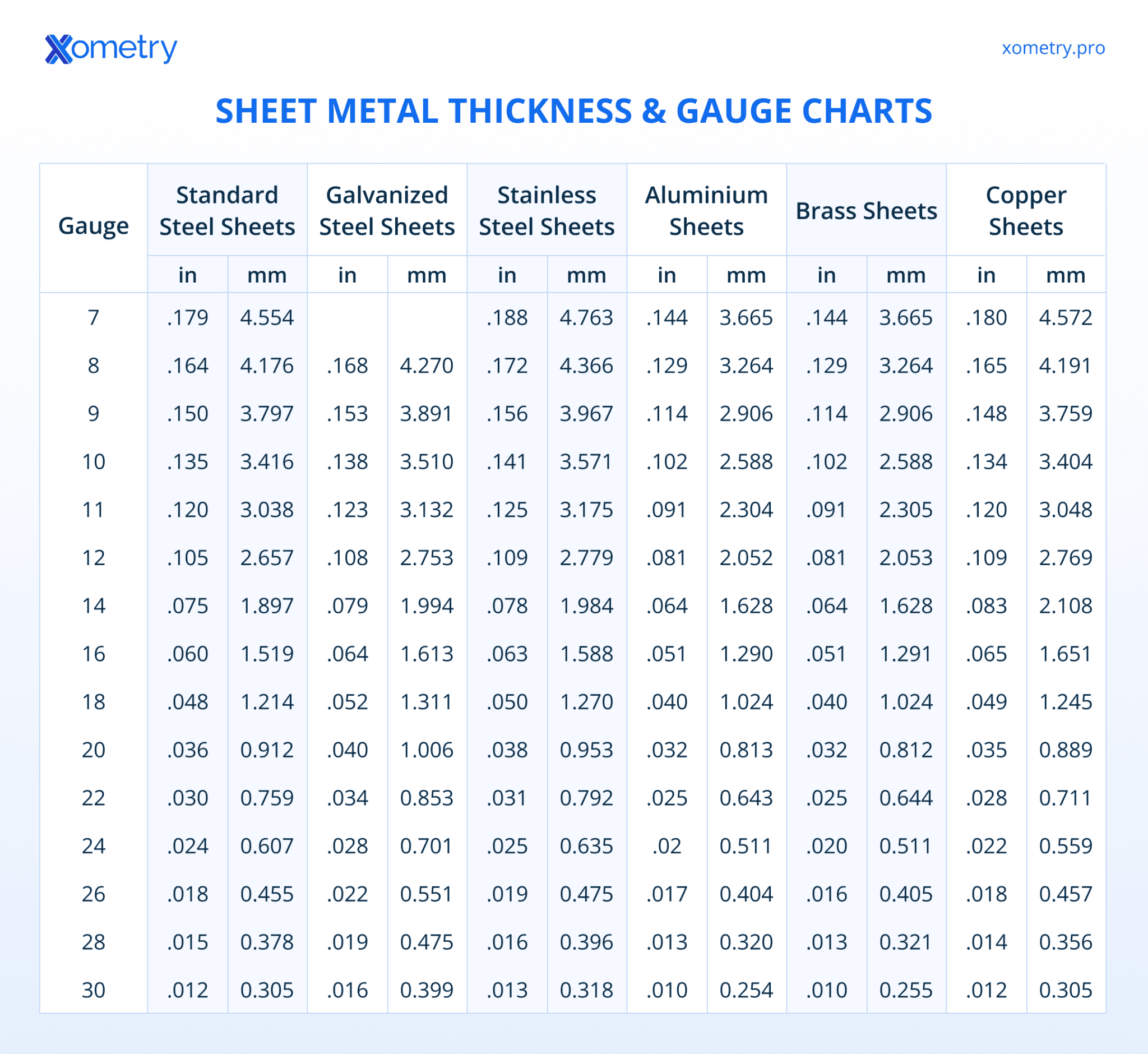
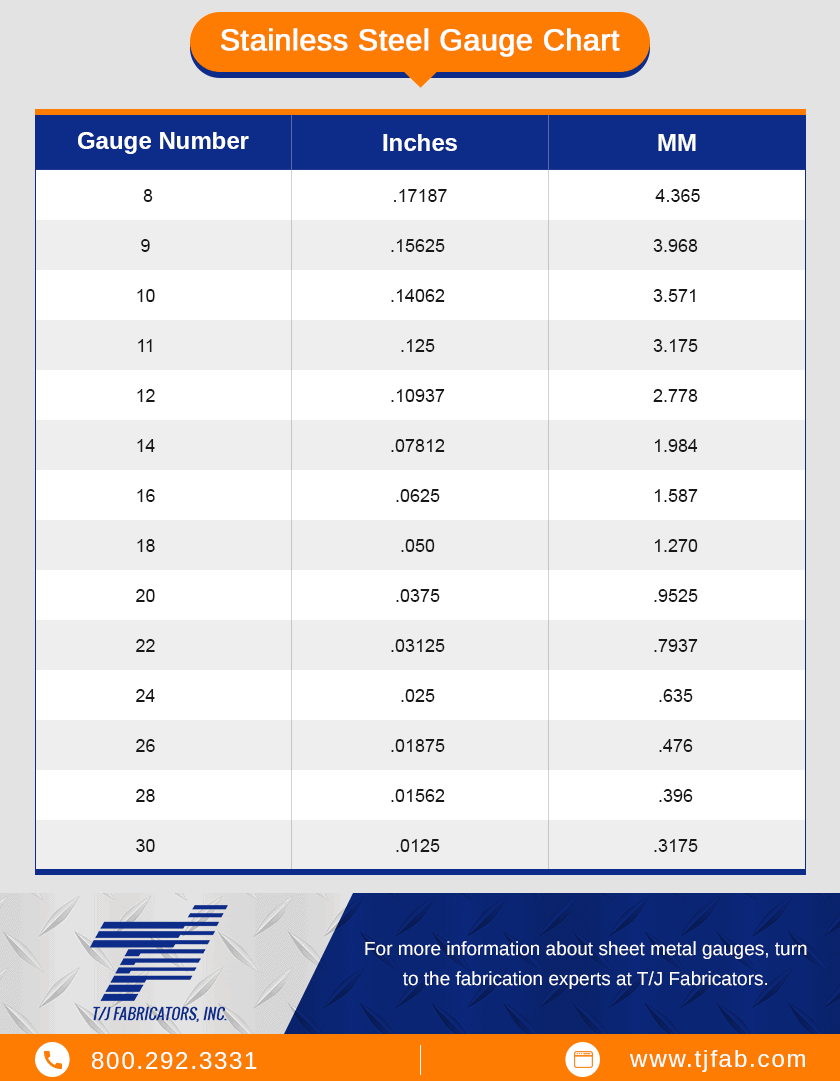
First things first: what's a gauge? Imagine it as a metal thickness measuring system with a quirky personality. The higher the gauge number, the thinner the metal – yep, it's backwards, like something designed by a committee of mischievous squirrels!
Think of it like golf. A lower score is better, and in the same way, a lower gauge number means a thicker, stronger piece of stainless steel. So, 10 gauge is beefier than 20 gauge. Got it?
Must Read
Stainless Steel: The Superhero Metal
Before we get deep into the gauge game, let's give a shout-out to stainless steel. This isn't just any metal; it's the superhero of the metal world! It's resistant to rust, corrosion, and general bad behavior, making it perfect for everything from kitchen sinks to surgical instruments.
It’s like the Wolverine of metals – it can heal itself! That's thanks to chromium, which forms a protective layer that repairs scratches and dings. Pretty neat, huh?
The Gauge Lineup: Meet the Players
Now, let's meet some of the star players in the stainless steel gauge thickness lineup. We’re talking about the gauges you’re most likely to encounter in your everyday life – or at least, the ones you should be thinking about (even if you're not!).
Heavy Hitters: 10-14 Gauge (The "Built Like a Tank" Crew)
These are the big boys. We're talking serious strength and durability. Think of 10-14 gauge stainless steel as the bodybuilders of the metal world.
You'll find these guys in heavy-duty applications like industrial equipment, restaurant sinks that can handle a tsunami of dirty dishes, and maybe even the armor on a futuristic robot (okay, maybe not, but you get the idea!). They are generally not for DIY projects though, more for large scale construction.
The Middle Ground: 16-20 Gauge (The "Just Right" Zone)
This is where things get interesting. 16-20 gauge is the sweet spot – a great balance of strength, workability, and cost. It's like the Goldilocks of stainless steel gauges: not too thick, not too thin, just right!

Think kitchen appliances like refrigerators and dishwashers. Also, backsplashes, and some sinks. This gauge range is super versatile and can handle a good amount of wear and tear.
Lightweights: 22-26 Gauge (The "Delicate but Determined" Bunch)
These are the thin and flexible options. They might not be as strong as their thicker counterparts, but they're perfect for applications where weight and flexibility are key.
Imagine decorative trim, some types of flashing, or even certain types of cookware. They are not designed to handle extreme stress, but they can be surprisingly resilient.
Why Does Gauge Even Matter? (The "So What?" Factor)
Okay, so you know what a gauge is and you've met the players. But why should you care? Well, the gauge of stainless steel directly impacts its strength, durability, and cost. Ignoring the right gauge can lead to disaster!
Imagine building a bridge out of 26-gauge stainless steel. I am already feeling dizzy. It would collapse faster than a house of cards in a hurricane! Choosing the right gauge is critical for safety and performance.
Strength and Durability: The Obvious Connection
This one's a no-brainer: thicker gauge equals greater strength. A thicker piece of stainless steel can withstand more weight, impact, and general abuse. It's like the difference between a feather and a brick – one will float away, the other will break your toe!
Consider a restaurant kitchen. A 10-gauge stainless steel countertop can handle the daily onslaught of pots, pans, and angry chefs much better than a flimsy 24-gauge one.
Workability: Bending, Cutting, and Shaping
Thinner gauges are easier to bend, cut, and shape. This makes them ideal for projects where you need intricate designs or tight curves. Try bending 10 gauge with your bare hands... you will probably end up in the emergency room!
For example, if you're creating a custom stainless steel sculpture, you'll likely want to use a thinner gauge that you can easily manipulate. So go for lighter gauge if you want to DIY.
Cost: The Bottom Line
Generally, thicker stainless steel costs more. This makes sense – you're using more material. But don't just automatically go for the cheapest option!
Investing in the right gauge upfront can save you money in the long run by preventing failures and replacements. I am talking to you, Mr. penny pincher who uses aluminum foil to replace the roof.
Gauge in the Real World: Examples You Can Relate To
Let's bring this all together with some real-world examples. Seeing how gauge is used in different applications can really drive the point home.
Kitchen Sinks: The Battleground of Gauge
Kitchen sinks are a prime example of where gauge matters. A flimsy sink made of thin-gauge stainless steel will dent, scratch, and generally look sad after just a few months of use.
Aim for at least 18 gauge for a decent sink. If you're a serious cook who abuses their sink, consider splurging on a 16-gauge beast. Your dishes (and your sink) will thank you!

Automotive Exhaust Systems: Hot and Heavy
Automotive exhaust systems need to withstand extreme temperatures, vibrations, and corrosive elements. Thicker-gauge stainless steel is essential for long-lasting performance. No one wants their exhaust system falling off mid-road trip.
Generally, manufacturers use 16-18 gauge stainless steel for exhaust components. They want the right balance between heat resistance and weight.
Restaurant Equipment: Built to Last
Restaurant equipment takes a beating day in and day out. That's why it's typically made from heavy-gauge stainless steel. Think about it: those countertops, sinks, and refrigerators need to withstand spills, impacts, and constant cleaning.
Restaurants will usually opt for 10-14 gauge for countertops and sinks, ensuring they can survive the apocalypse (or at least a busy Friday night).
Choosing the Right Gauge: A Few Tips
So, how do you choose the right gauge for your project? Here are a few tips to keep in mind.
Consider the Application: What Will It Be Used For?
This is the most important question. What kind of stress will the stainless steel be subjected to? Is it purely decorative, or will it be holding up the entire roof?
The more demanding the application, the thicker the gauge you'll need. Don't use a butter knife when you really need a sword!
Think About the Environment: Will It Be Exposed to the Elements?
If the stainless steel will be exposed to the elements, such as rain, salt, or extreme temperatures, you'll want to choose a thicker gauge that can withstand corrosion and wear.
Salt air is particularly brutal, so coastal applications require extra consideration. So plan accordingly if you live near the ocean.
Don't Be Afraid to Ask for Help: Consult with an Expert
If you're not sure what gauge to choose, don't be afraid to consult with a metal supplier or fabricator. They can offer valuable advice based on your specific needs and requirements. There are people whose job is to do this!
There's no shame in admitting you don't know everything! Getting expert advice can save you time, money, and potential headaches down the road.
In Conclusion: Gauge is Your Friend!
So there you have it! Stainless steel sheet metal gauge thickness demystified. It might seem like a small detail, but choosing the right gauge can make a huge difference in the performance, durability, and overall success of your project.
Embrace the gauge! It's not just a number; it's a key to unlocking the full potential of stainless steel. Now go forth and build something amazing!
And remember, when in doubt, err on the side of thicker. You can never go wrong with a little extra strength (unless you're building a paper airplane, then maybe not...).