
Sheet Metal Gauge Thickness Stainless Steel

Let's face it, the world of metalworking might not immediately spring to mind when you think of exciting hobbies. But hold on! There's a hidden satisfaction in crafting something strong, durable, and, dare we say, even beautiful from a humble sheet of metal. Think custom car parts, sleek kitchen backsplashes, or even intricate steampunk art. And understanding the nuances of sheet metal, especially the crucial concept of gauge thickness, unlocks a whole new level of potential.
So, why should you care about sheet metal gauge thickness in stainless steel? Well, consider this: stainless steel is practically ubiquitous! It's in your kitchen sink, your appliances, your medical equipment, and even the structural supports of buildings. Its resistance to corrosion and staining makes it incredibly versatile. But its effectiveness in each of these applications hinges on choosing the right gauge. Too thin, and it'll dent or buckle. Too thick, and you're wasting material and adding unnecessary weight. Getting the gauge right ensures the perfect balance of strength, durability, and cost-effectiveness.
Gauge, in this context, refers to the thickness of the metal. Here's the tricky part: a higher gauge number actually means a thinner sheet. It's a bit counterintuitive, but that's the system we use! For example, 22-gauge stainless steel is significantly thinner than 10-gauge. This is a holdover from the days when metal sheets were made by drawing them through a series of increasingly smaller dies – the more times it was drawn, the higher the gauge number and the thinner the sheet.
Must Read
Where do you see this in action? Think about your kitchen. A 20-gauge stainless steel sink is common, offering a good balance between cost and resistance to dents from dropped pots and pans. On the other hand, a lightweight 26-gauge might be used for decorative trim or non-structural applications. In industrial settings, thicker gauges (10-12 gauge) are used for robust applications like tanks, enclosures, and machinery components where structural integrity is paramount.
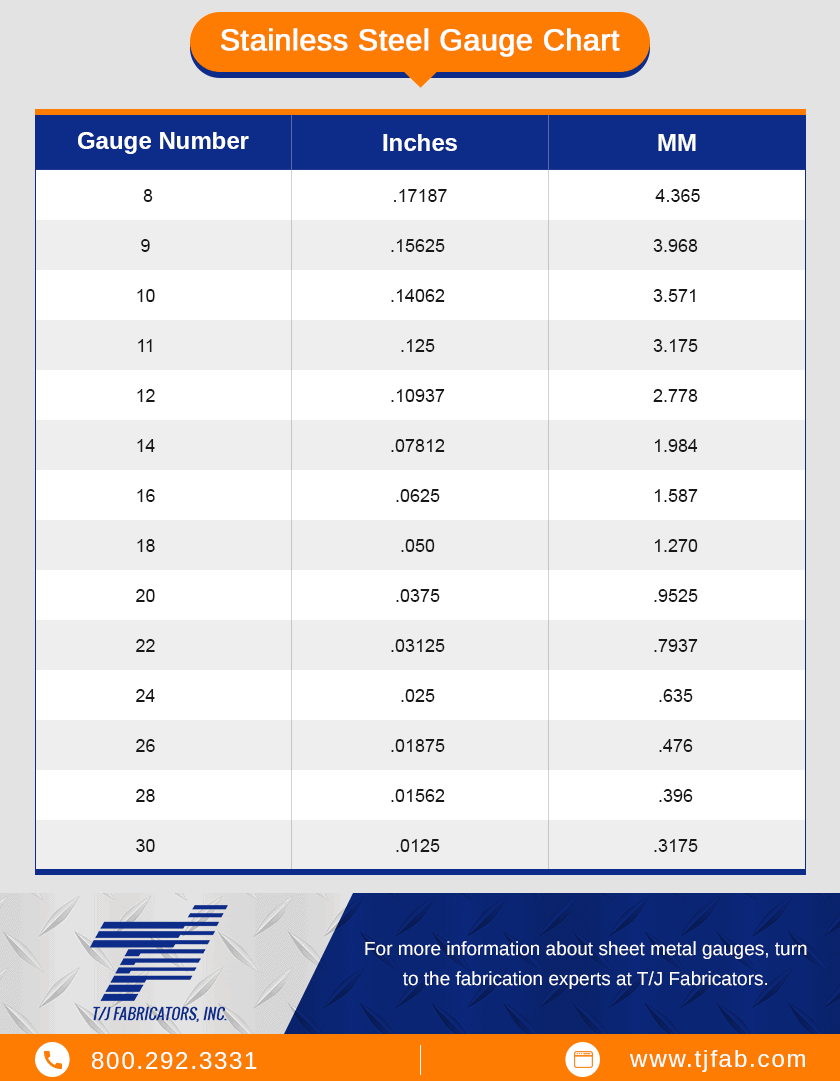
So, how can you navigate this world of gauges more effectively and actually enjoy working with stainless steel sheet metal? Here are a few practical tips:
- Invest in a gauge chart: These handy tools provide a visual and tactile reference for different gauge thicknesses. You can compare unknown samples and get a feel for the material.
- Learn about common applications: Understanding what gauges are typically used for different projects (e.g., auto body repair, food service equipment) will give you a solid starting point.
- Experiment with different gauges: Don't be afraid to purchase small samples of varying thicknesses and try working with them. This hands-on experience is invaluable.
- Consider the forming process: Different gauges are better suited to different forming techniques (bending, welding, cutting). Thinner gauges are generally easier to work with, but may require more support during welding to prevent distortion.
- Think about the environment: Is the stainless steel going to be exposed to harsh chemicals or extreme temperatures? This will influence the appropriate gauge selection for optimal longevity.
By understanding the relationship between gauge thickness and the properties of stainless steel, you'll be well-equipped to tackle a wide range of projects with confidence. So go ahead, explore the possibilities, and discover the enduring satisfaction of working with this versatile and essential material!


