Select All Of The Following That Are Correctly Matched

Hey there, knowledge seekers! Ever stared down a multiple-choice question that throws everything but the kitchen sink at you? The kind that says, "Select All Of The Following That Are Correctly Matched"? Yeah, me too. Let's break down why these tricky little beasts are actually kind of… cool?
At first glance, they can seem like the ultimate test of your memory – like trying to remember every single detail from a history lecture after only three hours of sleep. But beneath the surface, these questions are often assessing something far more interesting: your ability to connect information, to reason, and to think critically.
Think of it like this: remember those classic "connect the dots" puzzles from your childhood? "Select All That Apply" questions are kinda like that, but instead of dots, you're connecting ideas.
Must Read
Why Are These Questions Actually Useful?
So, why do educators and test-makers even use these questions? Well, for starters, they're surprisingly efficient. One "Select All" question can test your understanding of multiple concepts at once. It's like hitting several birds with one (well-aimed) stone, only instead of birds, we're talking about knowledge!
They force you to go beyond just recognizing a single correct answer. You have to actively evaluate each option, weighing its merits and determining if it truly fits the criteria. It's a mini-workout for your brain! Isn't that awesome?
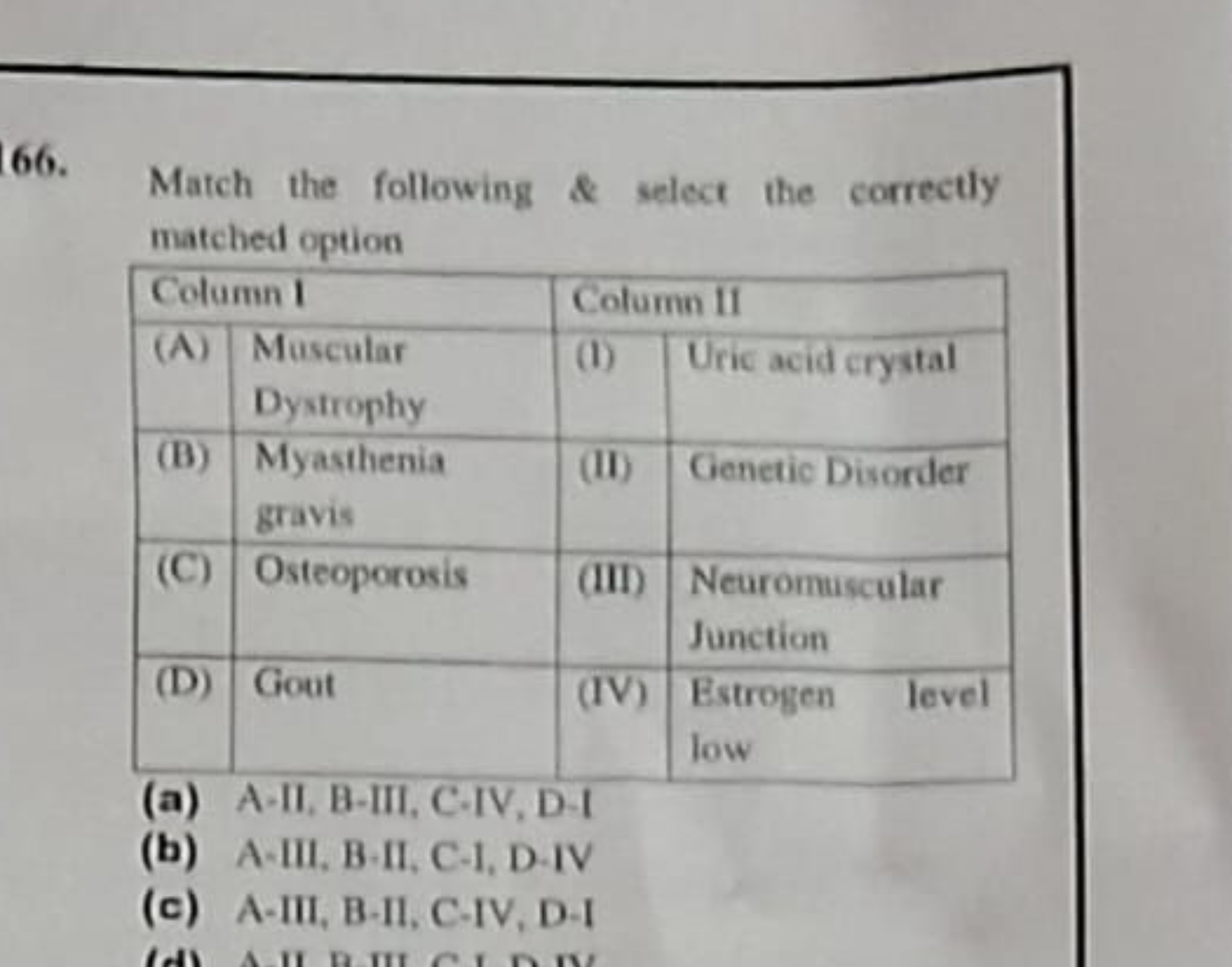
They also do a pretty good job of mimicking real-world scenarios. How often do you encounter situations where there's only one "right" answer? Rarely, right? Usually, there are multiple factors, multiple perspectives, and multiple possible solutions. "Select All That Apply" mirrors that complexity.
Plus, they're great at uncovering partial knowledge. Maybe you're not 100% sure about every option, but you do know that two of them are definitely correct. You get credit for that! It acknowledges that learning is often a process, not an all-or-nothing thing.
Breaking Down the Strategy: Don't Get Tripped Up!
Okay, so we've established that these questions are more than just evil brain-teasers. How do you actually tackle them effectively? Here's a simple breakdown:

- Read the Entire Question (Carefully!): This seems obvious, but it's crucial. Understand exactly what's being asked before you even look at the options. Pay close attention to any keywords or qualifiers.
- Treat Each Option as a True/False Statement: This is where the magic happens. Go through each option individually and ask yourself, "Is this definitely true (or correctly matched) according to the question?" If there's even a sliver of doubt, leave it unchecked for now.
- Don't Fall for Distractors: Test-makers love to throw in tempting but incorrect options (distractors). These are designed to trip you up if you're not paying close attention. Look for subtle differences between the correct answer and the distractor.
- Revisit and Confirm: Once you've gone through all the options, go back and double-check your choices. Are you absolutely sure about each selection? If you're still unsure, trust your initial instinct, but also be willing to reconsider if you have a good reason.
- The "Always, Sometimes, Never" Rule: If an option contains absolute words like "always" or "never," be extra cautious. These statements are often false, as there are usually exceptions to every rule. Think of it like this: "All swans are white" sounds good, until you encounter a black swan!
Comparing to Everyday Life
Think about planning a vacation. You don't just pick one "right" thing to pack, do you? You consider the weather, the activities you'll be doing, and your personal preferences. You "select all" of the items that are appropriate for your trip.
Choosing what to eat for dinner? You consider multiple factors: what's in the fridge, how much time you have to cook, and what you're in the mood for. "Select All" the ingredients that will make a delicious meal! (Okay, maybe that's a bit of a stretch, but you get the idea.)

Even something as simple as deciding what to wear involves selecting multiple items: a shirt, pants, shoes, maybe a jacket. It's all about making the right connections and choosing the options that fit the situation.
The Takeaway: Embrace the Challenge!
So, next time you encounter a "Select All That Apply" question, don't groan! Instead, see it as an opportunity to flex your critical thinking muscles. It's a chance to show off your ability to connect ideas, evaluate options, and make informed decisions.
These questions aren't just about memorization; they're about understanding and applying knowledge. And that, my friends, is a pretty valuable skill in the real world. Now go forth and conquer those multiple-choice monsters!