
Samsung Refrigerator Power Consumption In Watts

Let's talk refrigerators! Okay, maybe that doesn't sound like the most thrilling topic at first. But think about it: your refrigerator is a silent workhorse, running 24/7 to keep your food fresh and prevent that sad, wilted lettuce situation. And all that work requires power. Understanding your Samsung refrigerator's power consumption, measured in watts, isn't just about saving money; it's about being a more informed and responsible consumer.
Why should you care about the wattage of your fridge? Simple. It's about understanding how much electricity that big box in your kitchen is actually using. This knowledge empowers you to make smarter choices, potentially lowering your electricity bill and reducing your carbon footprint. Think of it as understanding your car's miles per gallon – you wouldn't want to be driving a gas guzzler if you could get away with a fuel-efficient model, right? The same principle applies to your appliances.
The purpose of understanding your refrigerator's wattage is twofold: firstly, to calculate its running cost. Knowing the wattage allows you to estimate how much electricity it consumes over a day, a month, or even a year. Armed with that information, you can then calculate the approximate cost based on your electricity rate. Secondly, it helps you compare the energy efficiency of different models. If you're considering upgrading your fridge, knowing the wattage of your current appliance versus a newer, more energy-efficient model can help you make a financially and environmentally sound decision.
Must Read
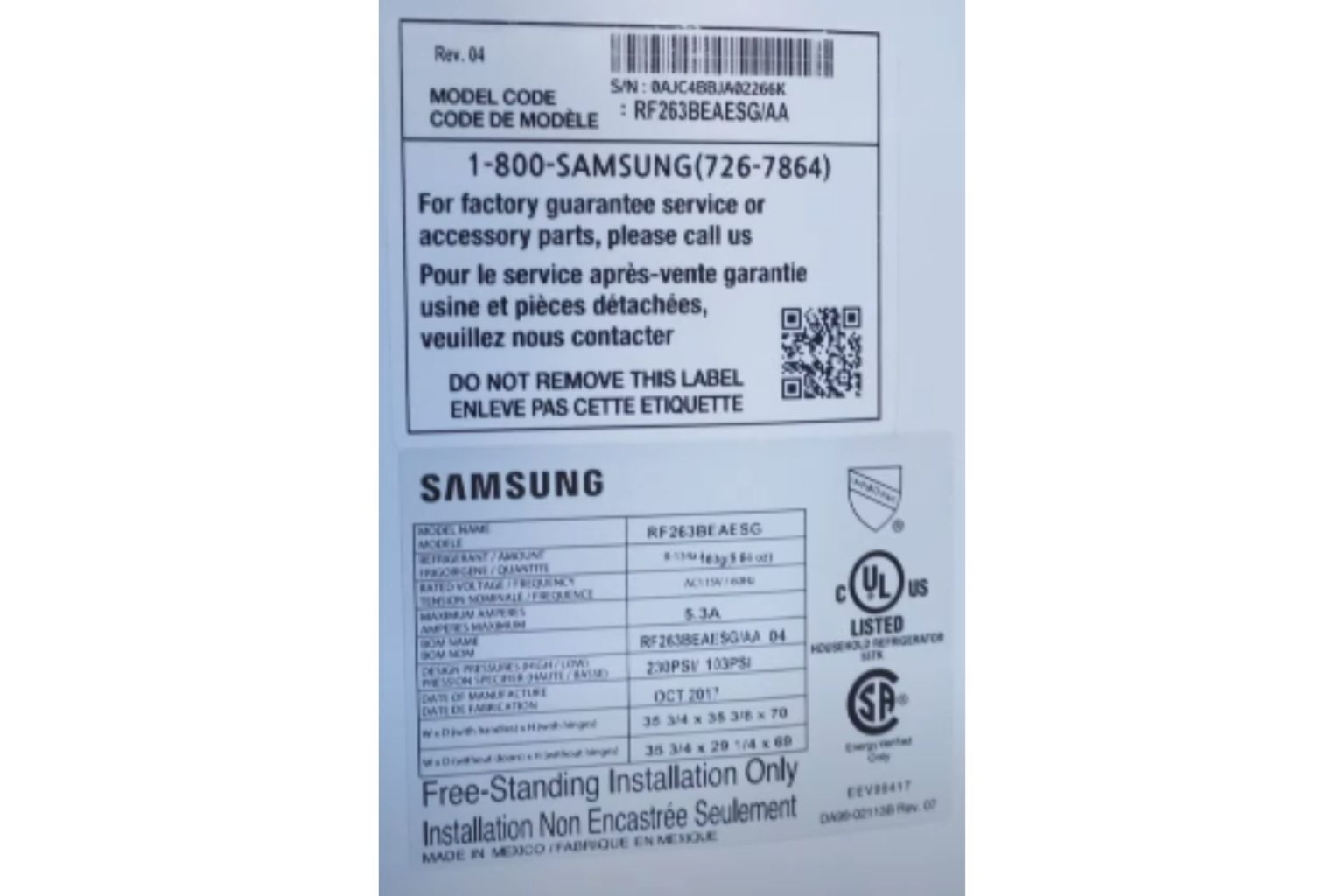
So, how do you find this magic number, the wattage? The easiest way is to look for the EnergyGuide label. This label, typically found on the inside of the refrigerator door or on the back, provides an estimated annual energy consumption in kilowatt-hours (kWh). To get a rough estimate of the wattage, you can divide the annual kWh by the number of hours in a year (8760) and then multiply by 1000. Remember this will provide the average power consumption, as refrigerators cycle on and off. You can also look for the wattage listed directly on the appliance's specifications plate, usually located near the compressor.
Several factors can influence a Samsung refrigerator's power consumption. Older models tend to be less energy-efficient than newer ones. The size of the refrigerator also plays a role – a larger fridge naturally requires more power. Features like ice makers and water dispensers can also increase energy consumption. And let's not forget usage habits! Opening the door frequently or keeping the temperature setting too low can make your fridge work harder and consume more energy. Maintaining a clean condenser coil and ensuring proper ventilation around the refrigerator are also crucial for optimal energy efficiency.
Ultimately, understanding the power consumption of your Samsung refrigerator is about being a conscious consumer. By knowing how much energy your appliance uses, you can take steps to reduce your energy consumption, save money, and contribute to a more sustainable future. So, go ahead, check that EnergyGuide label – you might be surprised by what you discover!


