
Saddam Hussein In South Park

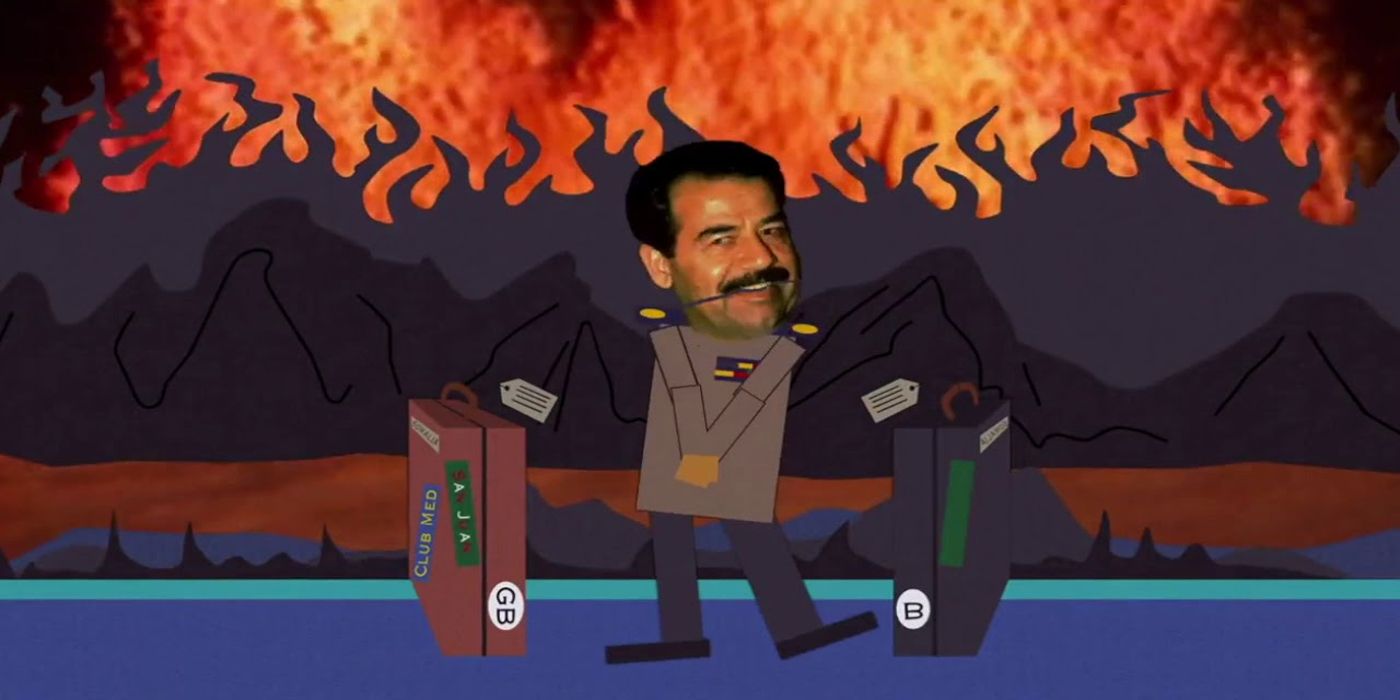
Okay, let's be real. We all remember the first time we saw that Saddam Hussein in South Park. Not the real-world dictator, but the cartoon version – perpetually in hell, engaging in…well, let's just say, unconventional romantic relationships. It was shocking, hilarious, and utterly unforgettable. But what is it about South Park's portrayal of Saddam that continues to resonate, even years later?
The Animated Antagonist: More Than Just a Meme
Saddam's appearances in South Park, particularly in the movie South Park: Bigger, Longer & Uncut, were a masterclass in satire. He wasn't just a generic evil dictator; he was a whiny, manipulative, and surprisingly vulnerable character. This duality, this contrast between the terrifying historical figure and the pathetic cartoon persona, is what made him so compelling (and arguably, so funny). Think about it: the man who once held a nation in fear is now portrayed as a needy boyfriend arguing with Satan. The irony is deliciously sharp.
Must Read
Practical Tip #1: Embrace Irony in Your Own Life. Sometimes, the best way to cope with stressful situations is to find the humor in them. It's a coping mechanism, a pressure valve, and a way to reclaim control.
The Devil's Advocate (Literally)

His relationship with Satan is, of course, the defining characteristic of South Park's Saddam. It's a bizarre and twisted romance, rife with emotional manipulation and codependency. It's also a surprisingly astute commentary on power dynamics and abusive relationships. Saddam constantly tries to control Satan, playing on his insecurities and vulnerabilities. It’s a cartoon, yes, but it mirrors real-world scenarios in often uncomfortable ways.
Cultural Reference Point: Abusive Relationships are no laughing matter. South Park uses satire to highlight the ugliness of such dynamics. If you or someone you know is in an abusive relationship, please seek help. Resources are available; don’t hesitate to reach out.
Why Saddam? Why Now? (Well, Then…)
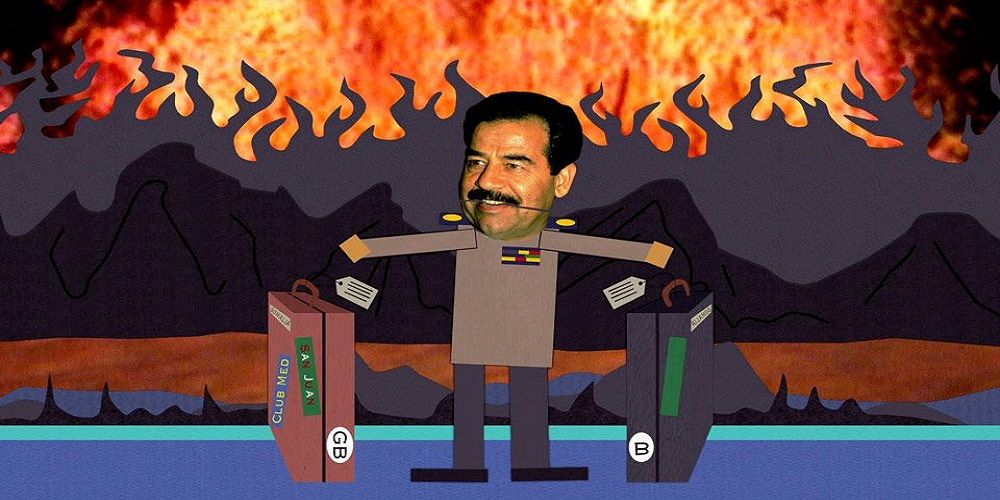
Why did South Park choose Saddam Hussein as a recurring character? At the time, he was a global villain, a symbol of authoritarianism and evil. By lampooning him in such an absurd way, South Park challenged the power he held, stripped him of his mystique, and rendered him ridiculous. It was a form of protest, a way of saying, "You may be powerful, but we're not afraid to laugh at you."
Fun Fact: Did you know that Trey Parker and Matt Stone, the creators of South Park, often create episodes in just a few days? This rapid turnaround allows them to respond quickly to current events, making their satire even more relevant and impactful.

Practical Tip #2: Don't Be Afraid to Question Authority. Respect is earned, not automatically granted. Critical thinking is essential, especially in a world saturated with information.
The Enduring Legacy of Cartoonish Calamity
Saddam Hussein, as portrayed by South Park, has become a part of the cultural lexicon. He's a meme, a reference point, and a reminder that even the most seemingly invincible figures can be brought down to earth – or, in this case, to hell – with a healthy dose of satire. The cartoon character is a potent reminder of the importance of free speech and the power of humor to challenge even the most oppressive regimes.
Practical Tip #3: Find Your Funny. Cultivating a sense of humor can help you navigate difficult situations, connect with others, and maintain a positive outlook. Don't take yourself too seriously.
Beyond the Laughs: A Moment of Reflection
While South Park's portrayal of Saddam Hussein is undoubtedly humorous, it also offers a deeper message. It reminds us that even in the face of overwhelming evil, we can find ways to resist, to challenge, and to maintain our humanity. It's a reminder that laughter can be a powerful weapon, and that even the most terrifying figures can be reduced to caricatures through the lens of satire. It’s a bizarre lesson from an even more bizarre cartoon, but it’s a lesson nonetheless.