Rv 30 Amp To 50 Amp Conversion

Picture this: You’ve just pulled your magnificent RV into a serene campsite, excited for a weekend of unplugging… until you realize the power pedestal only offers a 30-amp connection, and your rig is a glorious 50-amp behemoth! Don’t pack up and head home just yet. This little hiccup is actually a fantastic opportunity to dive into a curious corner of RV life that’s both practical and empowering: the RV 30-amp to 50-amp conversion. It's not so much a "conversion" as it is a clever adaptation, and understanding it opens up a world of flexibility and peace of mind on the road.
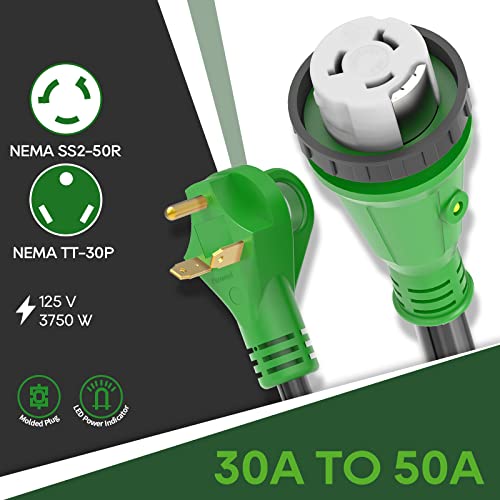
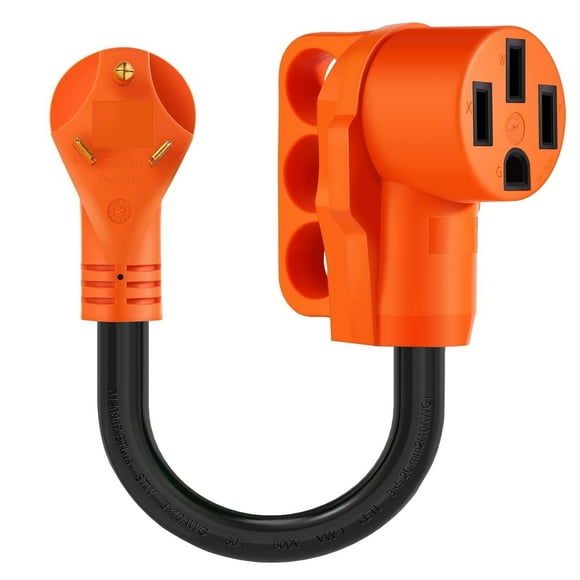
So, what’s the big deal? Think of it like this: your 50-amp RV is built to handle a lot of electricity – enough to run both air conditioners, the microwave, the water heater, and more, all at once. A 30-amp connection, however, provides less than half that amount of power. The purpose of an adapter (often affectionately called a "dogbone" because of its shape) is to allow your 50-amp RV to safely plug into a 30-amp shore power pedestal. The benefit here is immense: it instantly makes your RV compatible with a far wider range of campsites, from older state parks to friends' driveways, ensuring you're never left without power just because of an outlet mismatch. It gives you the freedom to choose your spot, not be dictated by its electrical hookup.
In your daily RV life, this scenario plays out frequently. You might arrive at a popular campground where all the 50-amp sites are booked, but plenty of 30-amp spots remain. With your dogbone adapter, suddenly those sites are an option! Or perhaps you're visiting family who have an available 30-amp outlet in their garage, allowing you to power your RV without needing specialized electrical work. This isn't just about plugging in; it's about learning energy management. When you're "converted" to 30-amp, you can't run everything simultaneously. You'll learn to prioritize: maybe one AC unit instead of two, or running the microwave only when the water heater isn't active. It's an educational experience in understanding your RV's power hungry appliances and how to conserve energy, a skill that's invaluable even when you have full 50-amp power.
Must Read
Ready to explore this yourself? The simplest way is to invest in a good quality 50-amp male to 30-amp female dogbone adapter. This crucial piece of equipment will be your best friend. Look for one that is heavy-duty and weather-resistant. Once you have it, practice plugging it into a 30-amp outlet (like those found in many garages or older RV parks) and then connecting your RV's 50-amp cord. While it sounds simple, the real exploration comes from observing your RV's behavior. Turn on different appliances and watch your power monitor (if your RV has one). You’ll quickly learn the "power footprint" of your microwave versus your air conditioner. Remember, the goal isn't to get more power than the 30-amp source provides, but to safely use what's available without tripping breakers. Always prioritize safety first; ensure your adapters are in good condition and correctly rated.
Embracing the 30-amp to 50-amp adaptation isn't just about a piece of equipment; it's about becoming a more knowledgeable and resourceful RVer. It’s a skill that broadens your horizons, solves common dilemmas, and ultimately enhances the joy and flexibility of your adventures on the open road. Happy travels!