Room Temperature Lower Than Thermostat Setting
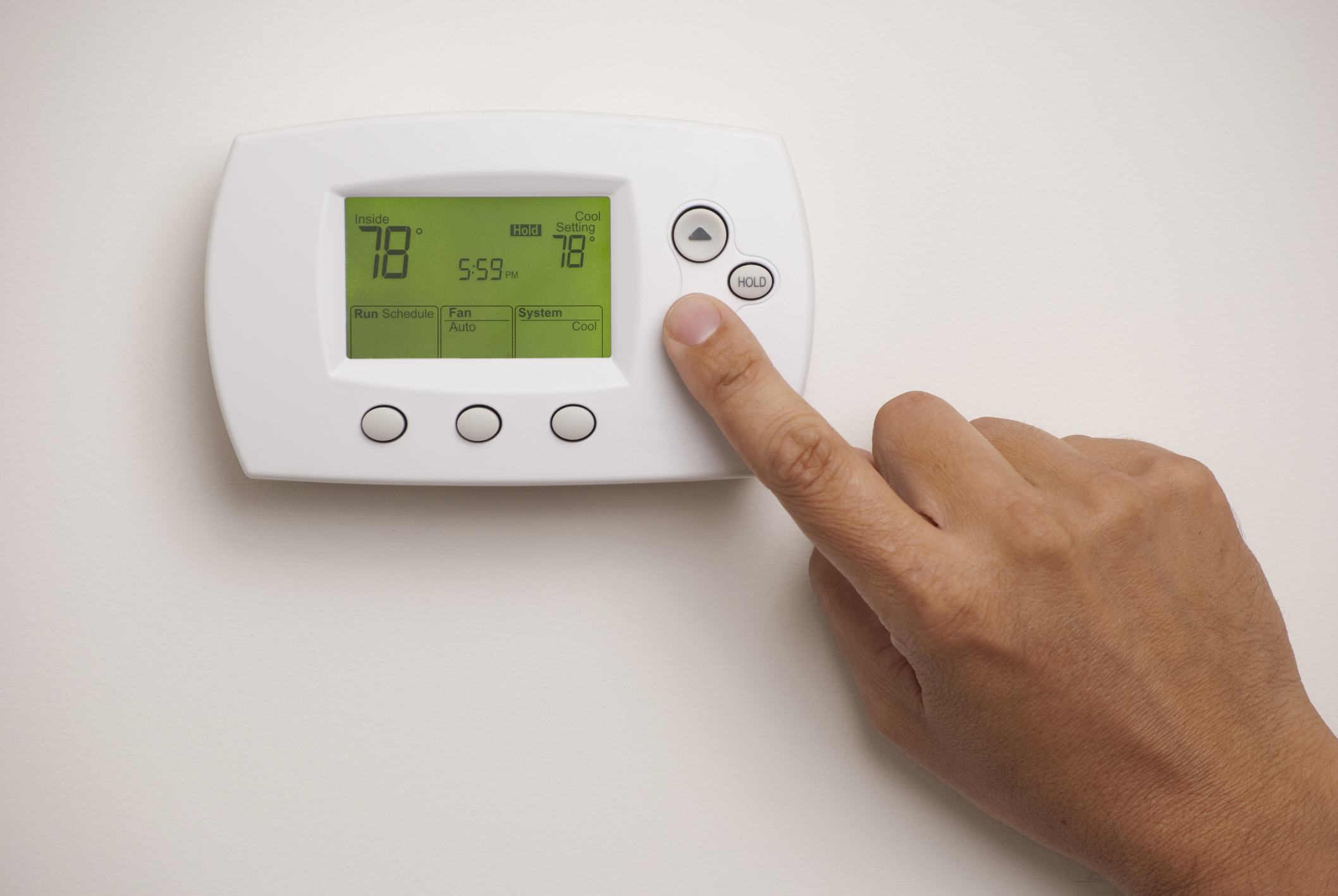
Ever felt like your thermostat is lying to you? You set it to a balmy 72°F, but you're still reaching for that extra blanket? You're not alone! This is a super common household mystery, and understanding why your room temperature is lower than what your thermostat says can save you money, frustration, and maybe even a few arguments with your family about the ideal temperature.
The purpose of understanding this discrepancy is simple: to optimize your home's heating and cooling system. When your thermostat accurately reflects the actual temperature, your HVAC system works more efficiently. This means lower energy bills and a more comfortable living space. Who wouldn't want that?
So, why the temperature tango? Here are some common culprits:
Must Read
1. Thermostat Placement is Key: Where your thermostat is located significantly impacts its readings. Is it near a drafty window? Next to a sunny wall? Or tucked away in a hallway that never gets direct sunlight? These locations can throw off the thermostat's accuracy. A thermostat in direct sunlight will read warmer than the actual room temperature, while one in a drafty area will read colder. Ideally, your thermostat should be on an interior wall, away from direct sunlight, drafts, and heat sources like lamps or appliances.
2. Poor Insulation: If your home isn't properly insulated, heat can escape in the winter and cold air can seep in during the summer. This makes it difficult for your HVAC system to maintain a consistent temperature throughout your home. Check your windows, doors, and attic for drafts and consider adding insulation where needed. Seal those gaps! Weatherstripping and caulking can make a huge difference.
3. Airflow Obstructions: Blocked vents can prevent warm or cool air from circulating properly. Make sure your vents aren't covered by furniture, rugs, or curtains. Regularly cleaning your air vents and changing your air filter also improves airflow and overall system efficiency. Think of it like this: your HVAC system is trying to breathe, and blocked vents are like a stuffy nose!
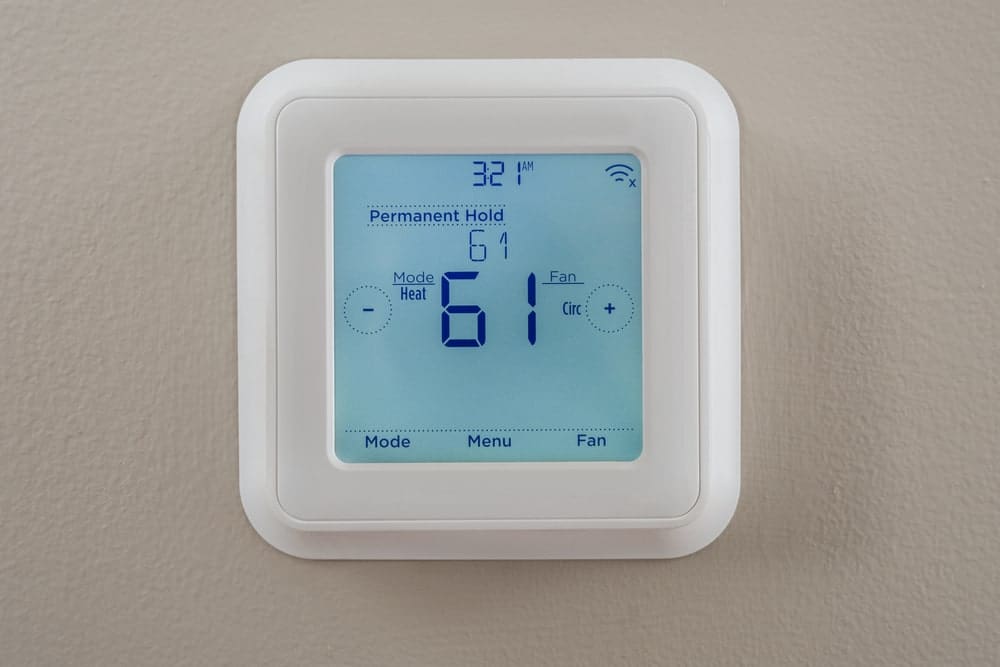
4. Thermostat Calibration: Sometimes, the thermostat itself is the problem. Over time, thermostats can become inaccurate. Many thermostats have a calibration setting that allows you to adjust the temperature reading. Consult your thermostat's manual for instructions on how to calibrate it. If all else fails, consider replacing your thermostat with a newer model. Smart thermostats offer enhanced features like remote control and energy monitoring.
5. HVAC System Issues: If you've addressed all the above issues and your room temperature is still consistently lower than your thermostat setting, there might be a problem with your HVAC system itself. This could be anything from a malfunctioning heating element to a refrigerant leak. In this case, it's best to call a qualified HVAC technician for an inspection and repair. Don't try to DIY!
By understanding these common causes, you can take steps to ensure your thermostat accurately reflects the actual temperature in your home, leading to a more comfortable and energy-efficient living space. Happy adjusting!