
Alright, settle in, grab your coffee. We need to talk about that tiny, plastic dictator living on your ceiling. You know the one. The smoke detector. It’s usually silent, unassuming, just hanging out, judging your life choices. Then, out of nowhere, usually at 3 AM when you’re dreaming of perfectly toasted marshmallows, it unleashes the siren of the apocalypse.
Suddenly, you’re jolted awake, heart pounding, convinced your house is actively melting around you. You leap out of bed, eyes wide, sniffing the air like a deranged bloodhound. No smoke. No fire. Just the unrelenting, ear-splitting shriek of that infernal device. You stand there, bewildered, probably in your underwear, wondering, “Why, dear God, why?”
You might suspect ghosts. Or maybe a particularly mischievous poltergeist with a penchant for high-decibel pranks. Perhaps tiny gremlins have infiltrated your electrical system. While those are certainly more entertaining theories, the truth, while slightly less supernatural, is often just as frustrating and, frankly, a bit hilarious.
The Culinary Conspirators: Steam & Over-Enthusiastic Toast
Let's start with the most common culprits, often found lurking in your kitchen. Your smoke detector is, by design, incredibly sensitive. And it turns out, it can’t always tell the difference between a roaring inferno and... well, your breakfast.
Ever boiled water for pasta? Taken a super steamy shower? Baked something a little too long? Steam is a notorious trigger. It contains tiny particles that can scatter light inside the detector, making it think there’s smoke. Your detector isn't trying to punish you for showering; it’s just really bad at chemistry.
And then there’s toast. Oh, innocent, crunchy toast. If you’ve ever had a slice pop out a shade darker than golden, you know the drill. That little wisp of nearly-burnt particulate matter is enough to send your detector into a full-blown meltdown. It’s like it’s saying, “Warning! Impending carb disaster!”

Dust Bunnies & Spider Parties: The Uninvited Guests
This one’s a personal favorite, mostly because it conjures up such a ridiculous image. Imagine, if you will, a tiny rave happening inside your smoke detector. Who are the partygoers? Dust bunnies and spiders!
Yes, really. Over time, dust, lint, and even tiny bugs can accumulate inside the detector's sensing chamber. When enough of this gunk builds up, it can block the sensor or scatter the internal light beam, triggering an alarm. Your smoke detector isn't crying fire; it's crying, “Help! I’m being suffocated by fluff and a creepy-crawly disco!” A quick vacuum with the brush attachment can often sort this out.
The Torturous Chirp & The Full-Blown Battery Betrayal
Ah, the low battery chirp. A sound designed by mischievous spirits to find you, no matter where you are, and torment you until you succumb. But sometimes, it’s not just the chirp; it’s a full-on alarm when the battery is about to die.
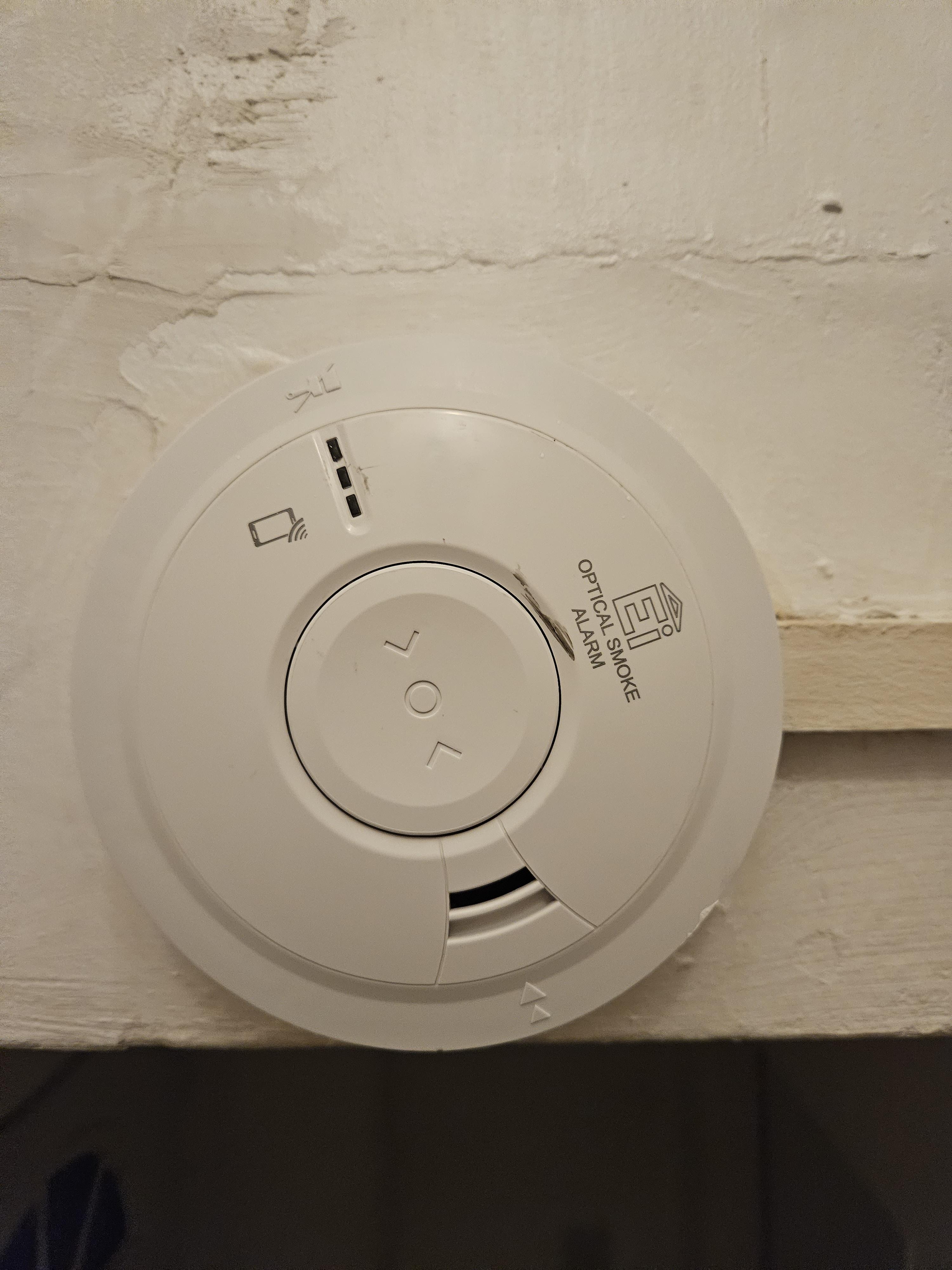
As the battery fades, its voltage can fluctuate erratically. These fluctuations can sometimes mimic the signals of smoke, causing the detector to freak out before it finally gives up the ghost entirely. It’s like its last desperate cry for help: “I’m dying! And I’m taking your peace and quiet with me!” Always replace batteries annually, even if you think they're fine. It's cheap therapy.
Power Surges & Electrical Gremlins: The Zap Attack
This is where things get a bit more technical, but still in a fun, mysterious way. If your detector is hardwired, a brief power surge or even a tiny fluctuation in your home's electrical current can sometimes jolt it into action. It’s like a tiny, electrical hiccup that sends a shockwave through its little circuit board.
Think of it as the smoke detector getting a sudden, unexpected shot of espresso. It just activates. Even electromagnetic interference from other nearby electronics can, on rare occasions, be the culprit. So, if your alarm goes off every time you turn on your blender, you might have found your archenemy.

Age is Just a Number... Unless You're a Smoke Detector
Surprise! Smoke detectors have an expiration date. No, seriously. They do. Most manufacturers recommend replacing them every 8 to 10 years. After a decade, their internal components can degrade, losing sensitivity or becoming prone to false alarms.
So, if your detector is older than your dog (or maybe even your teenager), it might just be experiencing a mid-life crisis and throwing a tantrum. It's not randomly going off; it's just really, really old and tired. "My sensors aren't what they used to be, kid!"
The Wrong Place at the Wrong Time: Placement Problems
Where you put your smoke detector matters. A lot. If it’s too close to a bathroom, it’s going to get steamed every single day. Too close to the kitchen? Get ready for a toast-triggered opera.

Also, different types of detectors work best in different areas. Ionization alarms (the most common and cheapest) are great at detecting fast-flaming fires but are super sensitive to tiny particles like those from cooking. Photoelectric alarms are better at detecting smoldering fires and are less prone to false alarms from steam or cooking. Having the wrong type in the wrong spot can lead to endless headaches (and earaches).
So, What's the Takeaway?
While an unexpected smoke alarm can be utterly infuriating, it’s rarely a sign of paranormal activity or a cosmic joke. More often than not, it's a perfectly logical (if annoying) reaction to something in its environment. Or it's just old.
So next time your ceiling companion decides to throw a party, don't immediately assume the house is burning down. Check the batteries, give it a good clean, make sure it’s not near a steamy bathroom, and consider its age. And remember, as annoying as they are, these little guardians are there to keep us safe. Even if they have a slightly dramatic way of getting our attention.