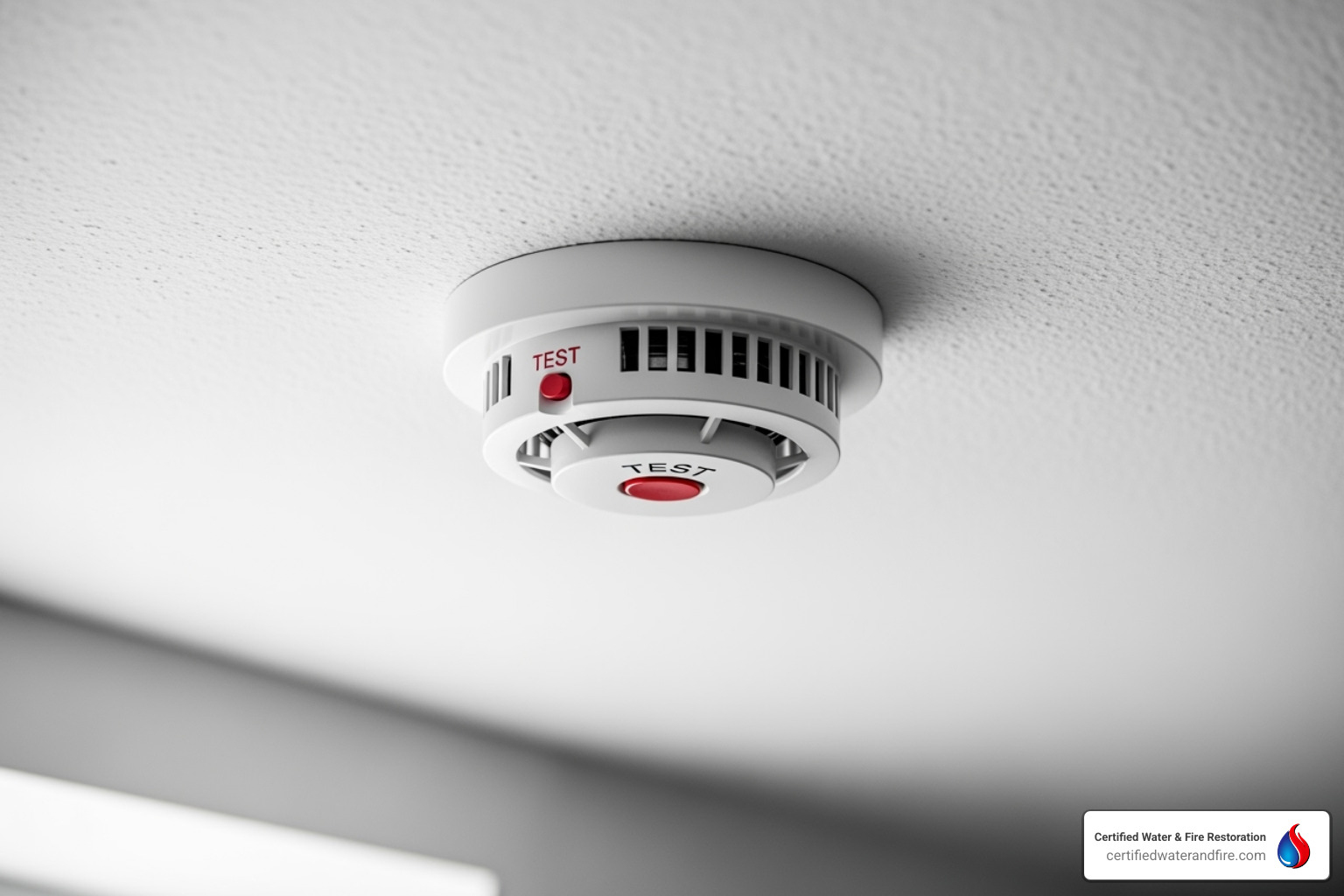
That shrill, piercing shriek. It rips through the quiet of your home, sending a jolt straight through your bones. Your heart pounds, adrenaline surges, and you spring into action.
You frantically scan the room, sniffing the air for any hint of smoke or flames. But then, a moment of confusion washes over you. There's nothing there. Absolutely nothing.
No fire, no smoke, no obvious danger. Just that relentless, ear-splitting wail of your fire alarm. It’s a truly bizarre experience, isn't it?
It feels like your home appliance is playing a mischievous prank on you. You're left standing there, bewildered, wondering, "Why on earth did it just go off for no reason?"
This universal mystery is surprisingly common, and it often leads to some truly amusing discoveries. It turns out, these little guardians of our safety can be a bit sensitive.
Let's dive into the peculiar world of "ghost" alarms and uncover the surprisingly innocent culprits behind their sudden outbursts. You might even find yourself smiling at their quirks!
The Kitchen's Little Drama Kings
Our kitchens are often the most common stage for these unexpected performances. They are bustling hubs of activity, full of heat, steam, and delicious aromas.
Sometimes, these everyday kitchen capers are just a bit much for our sensitive smoke detectors. They're just trying to be extra careful, after all.
The Overly Enthusiastic Toaster
Ah, the humble toaster. It’s an undisputed champion of breakfast, yet sometimes it transforms into a prime suspect. Just a slightly darker shade of golden brown can be enough.
That barely visible wisp of smoke, a silent signal of a slightly burnt crust, is like a massive flare to your alarm. It goes from zero to ear-splitting hero in seconds.

Your alarm isn't seeing a small mishap; it’s seeing a potential blaze! It truly is the drama queen of kitchen appliances, always ready for a starring role.
It's doing its job, perhaps just a little too diligently. You can almost hear it screaming,
"Danger! Potential toast emergency!"even if it's just a rogue crumb.
The Steamy Shower and the Boiling Pot
It's not always smoke that sets them off. Sometimes, it's just good old-fashioned water vapor! Imagine a hot, luxurious shower on a cold morning.
The steam fills the bathroom, wafting out into the hallway, and boom! Your fire alarm is convinced your entire home is engulfed in a fog of doom. It’s quite the dramatic turn.
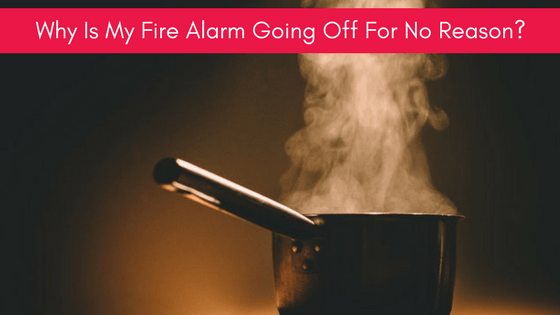
Similarly, a vigorously boiling pot of pasta or a simmering stew can also be a sneaky culprit. The dense plumes of steam are rich in tiny particles, much like smoke.
These tiny particles are what optical smoke detectors are designed to spot. So, your alarm isn't wrong; it's just a bit confused between delicious cooking and potential disaster.
The Silent, Sneaky Saboteurs
Sometimes the cause isn't even visible to the naked eye. These are the truly "ghostly" alarms that leave us scratching our heads the most. They’re like tiny, invisible ninjas.
These silent culprits prove that even the smallest things can trigger a big reaction from our vigilant fire alarms. It’s a testament to their sensitive engineering.
The Dust Bunny's Revenge
Believe it or not, tiny dust particles can be major troublemakers. Over time, dust can accumulate inside the fire alarm's sensing chamber. It's like a microscopic lint trap.
When enough dust gathers, it can scatter the detector's light beam, tricking it into believing there's smoke present. It's an internal optical illusion, purely accidental.
So, sometimes, your alarm isn't warning you about fire, but about a tiny, airborne disco party happening within its own casing. A quick, gentle clean often solves this mystery.
It's a reminder that even our safety devices need a little TLC to perform at their best. Just a small swipe can prevent a future, unwarranted shriek.
The Ageing Sensor and Low Battery Blues
Fire alarms, like all electronics, have a lifespan. Most are designed to last about 8-10 years. As they age, their components can become less reliable, making them more prone to false alarms.
They might start to get a bit cranky in their old age, much like some of us. An old sensor might misinterpret environmental changes as a sign of smoke, leading to random alerts.
Then there's the infamous low battery chirp. It’s not the full-blown alarm, but a distinct, irritating single chirp that seems to always strike in the dead of night.
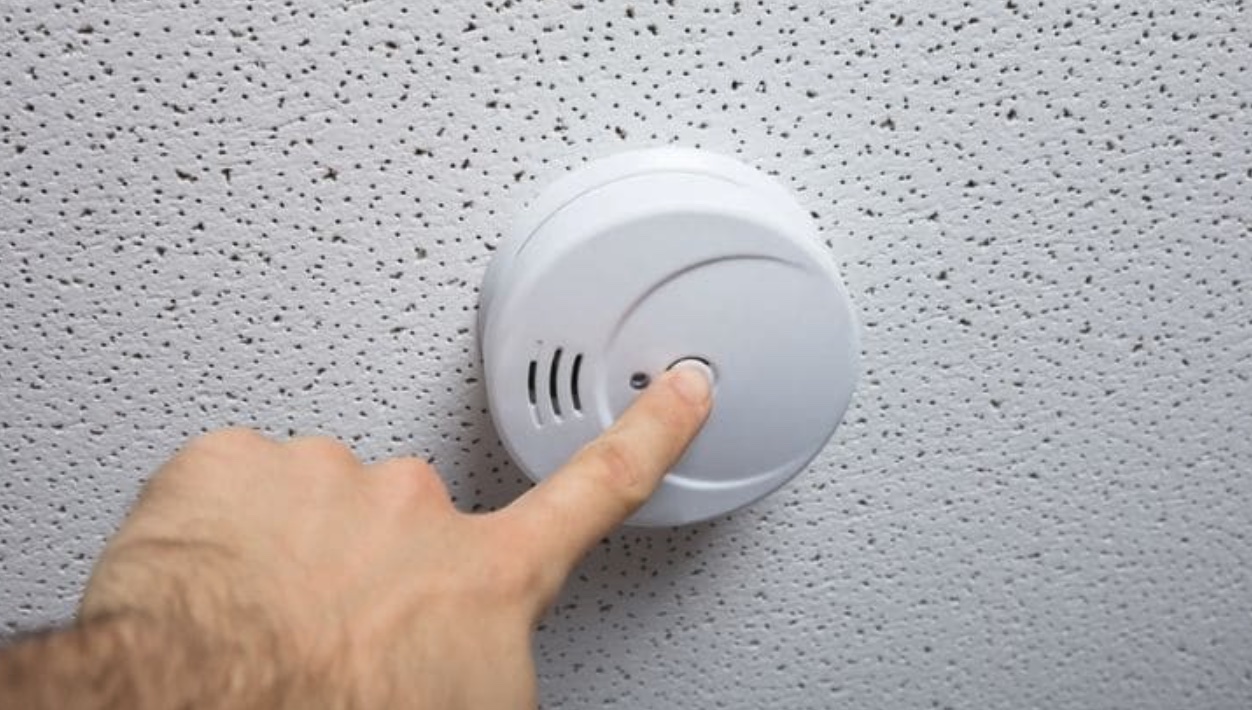
This persistent chirping is your alarm's way of begging for a fresh power source. It's a reminder that even our protectors need a little boost to keep standing guard.
While not a full false alarm, the low battery chirp is another example of your alarm communicating in its own unique, sometimes frustrating, language. It's still drawing your attention!
Tiny Intruders: The Insect Invasion
This one might surprise you, but sometimes the "ghost" is actually a tiny, multi-legged visitor. A curious spider spinning a web inside the sensor can trigger an alarm.
Even a small fly or mosquito buzzing around within the alarm's chamber can be enough to block the light sensor. It's a true bug in the system!
These minuscule creatures, in their innocent exploration, become unwitting saboteurs. It's a bizarre, almost comical reason for such a serious warning.
So, before you assume a phantom fire, consider if a tiny adventurer has decided to make your alarm its temporary home. A little blast of canned air might evict them quickly.
Aerosols and Strong Scents
Have you ever sprayed hairspray, air freshener, or even certain cleaning products near a fire alarm? Some detectors are incredibly sensitive to these fine aerosol particles.

The particles from these sprays can be dense enough to mimic smoke, sending your alarm into a frantic state. It’s like a micro-fog machine, right there in your home.
Your alarm is just doing its job, interpreting any significant change in air composition as a potential threat. It's not judging your perfume, just detecting particles.
This is another instance where a perfectly innocent, everyday action can lead to a startling but ultimately harmless alarm. It highlights just how vigilant these devices are.
Embracing the Mystery
The next time your fire alarm goes off "for no reason," don't just get annoyed. Take a moment to appreciate the mystery. It's a little puzzle your home is presenting to you.
It's an invitation to become a detective, to explore the subtle nuances of your living space. Was it the slightly singed toast? The steamy shower? A dusty sensor?
These false alarms are a weirdly special part of modern life. They’re a reminder that our safety devices are always on guard, even if sometimes they’re a little overzealous.
They spark conversation, they make us chuckle, and they certainly get our attention. So, don't hate on your overly sensitive alarm. It's just doing its best to keep you safe.
It’s simply being the vigilant, if sometimes dramatic, guardian of your home. And that, in itself, is something truly curious and worth checking out.