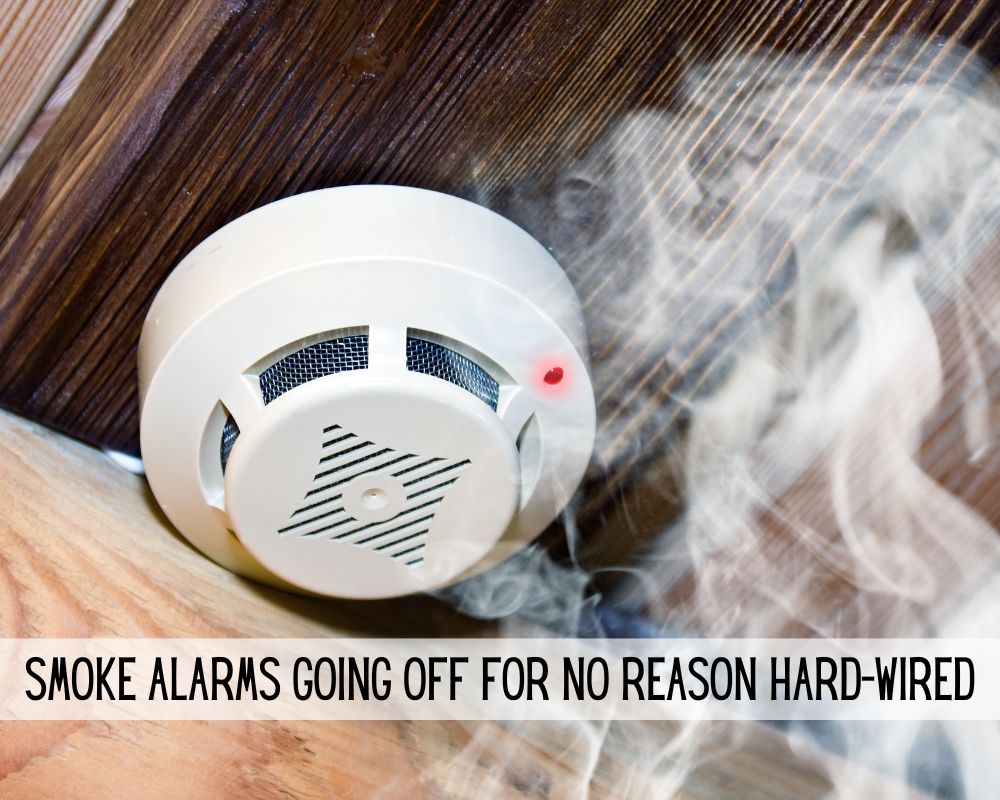
There are few sounds quite as startling, or frankly, as annoying, as a smoke alarm blaring in the middle of the night – especially when there's no visible smoke, no smell of fire, and definitely no catastrophic event unfolding. We've all been there, standing bewildered, waving a towel frantically, muttering to ourselves, "Why on earth did it go off for no reason?!" Well, dear reader, it's a curious little mystery that many of us face, and it turns out, there's almost always a perfectly logical, albeit often invisible, explanation. And understanding these little quirks isn't just a fun fact; it's genuinely useful!
Before we dive into the 'why,' let's remember the incredible purpose of these noisy little guardians. A smoke alarm is a truly life-saving device. Its primary job is to detect smoke particles in the air as early as possible, giving you precious minutes to escape a fire, which can spread with terrifying speed. The benefit is undeniable: it drastically reduces fatalities and injuries from house fires. When it shrieks, it's doing exactly what it's designed to do – alerting you to a potential danger, even if that danger turns out to be something less dramatic than an inferno.
So, what are these mysterious "non-reasons" that send our alarms into a frenzy? Often, the culprits are far more mundane than you'd think. One of the most common reasons is simply dust and cobwebs. Over time, these tiny particles accumulate inside the alarm's sensing chamber, interfering with its ability to "see" clearly. The alarm interprets this build-up as smoke, triggering a false alarm. Similarly, everyday occurrences like overcooked toast or a steamy shower can also trigger sensitive alarms. The steam, or even the microscopic particles from burnt food, can mimic actual smoke, especially if the alarm is too close to the kitchen or bathroom. Tiny insects, like a rogue spider or a gnat, can sometimes crawl into the sensor chamber, causing chaos.
Another notorious offender, often mistaken for a serious problem, is the low battery chirp. While usually a periodic "chirp," some alarms are programmed to emit a full alarm blast when their battery is critically low, as a final, desperate plea for attention. Power surges or brief outages in hardwired systems can also sometimes cause a temporary false alarm. Even the age of the alarm itself can be a factor; they don't last forever. Most manufacturers recommend replacing them every 10 years, as their sensors can degrade over time and become overly sensitive or simply faulty.

Now for the fun part: how can we explore and manage these sensitive sentinels? Firstly, make it a habit to gently vacuum around your smoke alarms a couple of times a year to clear out dust and cobwebs. Secondly, if you have battery-powered alarms, commit to an annual battery change, perhaps when you change your clocks for daylight saving. For cooking-related alarms, consider moving them slightly further from the stove, or upgrading to an alarm with a "hush" button for temporary silencing during culinary adventures. Always test your alarms monthly using the test button, and remember to check the expiry date on the back – yes, they have them! Understanding whether you have an ionization (better for fast-flaming fires) or photoelectric (better for slow, smoldering fires) alarm can also help explain sensitivity to different types of particles.
Ultimately, while a smoke alarm going off for "no reason" can be an irritating interruption, it’s a small price to pay for the peace of mind they provide. Knowing these common triggers helps us appreciate their vigilance and ensures we never disable them, keeping our homes and loved ones safe.