
Alright, let's be real. You've been there. We all have. You're chilling, maybe watching TV, deep in thought, or even fast asleep, when suddenly... BEEEEEP! BEEEEEP! BEEEEEP! The fire alarm goes off. Your heart leaps into your throat, you sniff the air frantically, eyes darting for smoke. Nothing. Just that incessant, ear-splitting shriek. You sigh. "It went off for no reason!" you declare, often to an empty room, as you flail wildly with a broom to quiet the offending device.
But here's the fun, quirky truth: it never goes off for no reason. Nope! Your fire alarm isn't a drama queen having a meltdown just for kicks. It's actually a highly sensitive, diligent little guardian trying to tell you something. It's just that what it's trying to tell you might be less "raging inferno" and more "whoops, someone burnt the popcorn again."
It's Not "No Reason," It's Just Subtle!
Think of your smoke detector as a super-sniffer with trust issues. It's designed to detect tiny, invisible particles or changes in the air that signal a potential fire. And sometimes, those particles aren't from flames, but from things we do every single day. The "no reason" alarm is just your detector doing its job a little too well, bless its little electronic heart.
Meet the Detectives: Ionization vs. Photoelectric
There are two main types of smoke detectors, and each has its own unique quirks and sensitivities. Knowing this makes the "false alarm" mysteries a whole lot more fun to solve!
First up, we have the Ionization Smoke Detector. This little guy is like a super-fast sprinter, great at detecting tiny, invisible combustion particles from fast-flaming fires. It's got a tiny bit of radioactive material (don't worry, it's safe!) that ionizes the air, creating a small electric current. When smoke particles enter, they disrupt this current, and BAM! Alarm time. But here's the catch: these same tiny particles are also released by things like, you guessed it, burnt toast, searing meat, or even just high humidity. So, if your alarm is extra sensitive to cooking mishaps, you probably have an ionization detector.
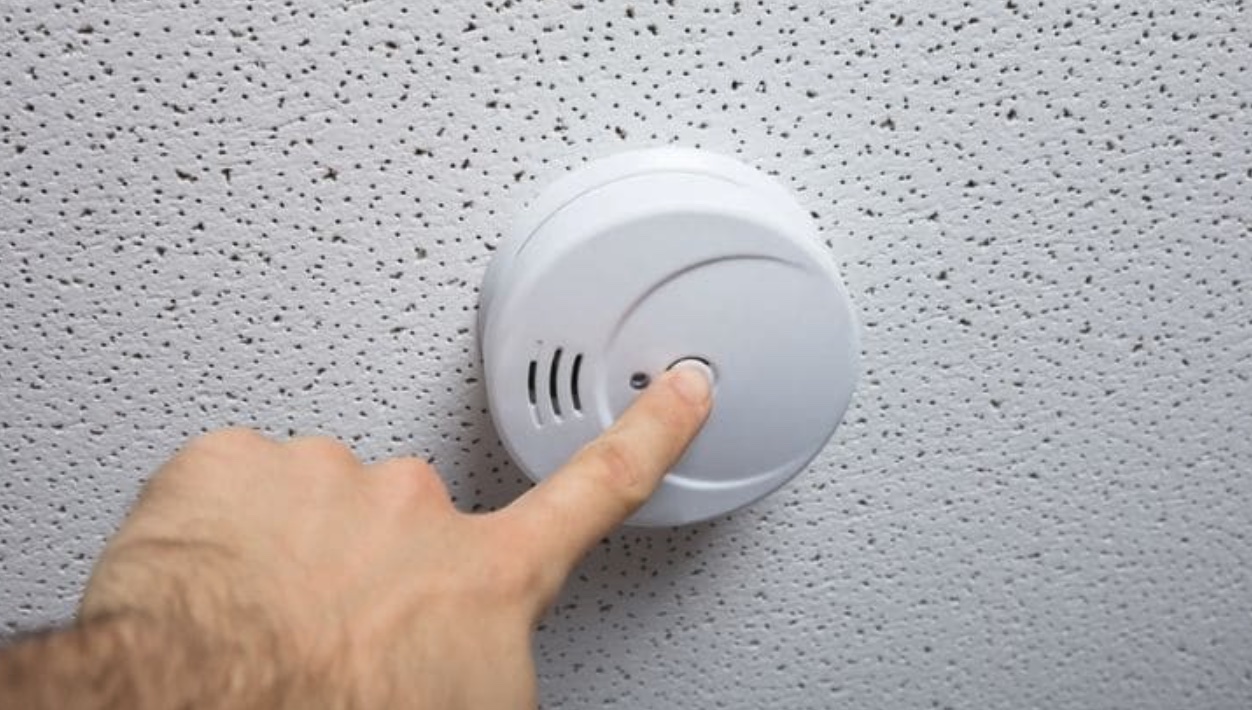
Then there's the Photoelectric Smoke Detector. This one is more of a slow-and-steady marathon runner, excellent at detecting larger, visible smoke particles from slow, smoldering fires. It works by having a light source and a sensor. When smoke enters the chamber, it scatters the light, directing some of it onto the sensor, and KAZOW! Alarm. These are often the culprits for alarms triggered by steam from a hot shower, dust, or even certain chemical fumes.
The Usual Suspects (and Some Quirky Ones!)
So, what exactly is triggering these diligent little noisemakers when there's no blaze in sight? Let's round up the usual suspects:

The Culinary Catastrophe: This is probably the most common. You know the drill: that forgotten toast, the oven self-cleaning cycle, a particularly smoky stir-fry. Even just opening the oven door after cooking something can release a puff of "smoke-like" particles that your detector sniffs out. Burnt popcorn is practically the official anthem of ionization detectors everywhere.
The Steamy Situation: Ever had the alarm go off after a long, hot shower? Or when you're boiling a big pot of pasta? That's steam, my friend. Especially if your detector is near a bathroom or kitchen, the water vapor can be dense enough to scatter light (for photoelectric) or even mimic particles (for ionization). It's just a very enthusiastic warning about your perfectly humid environment!
Dust Bunnies, Assemble! Yep, those adorable little fluff balls that gather in corners can also set off your alarm. Dust accumulation inside the detector can interfere with its sensors. Or, a sudden cloud of dust from cleaning or renovating can make it think something's amiss. It's like your detector is saying, "Hey! What's with all this particulate matter?!"
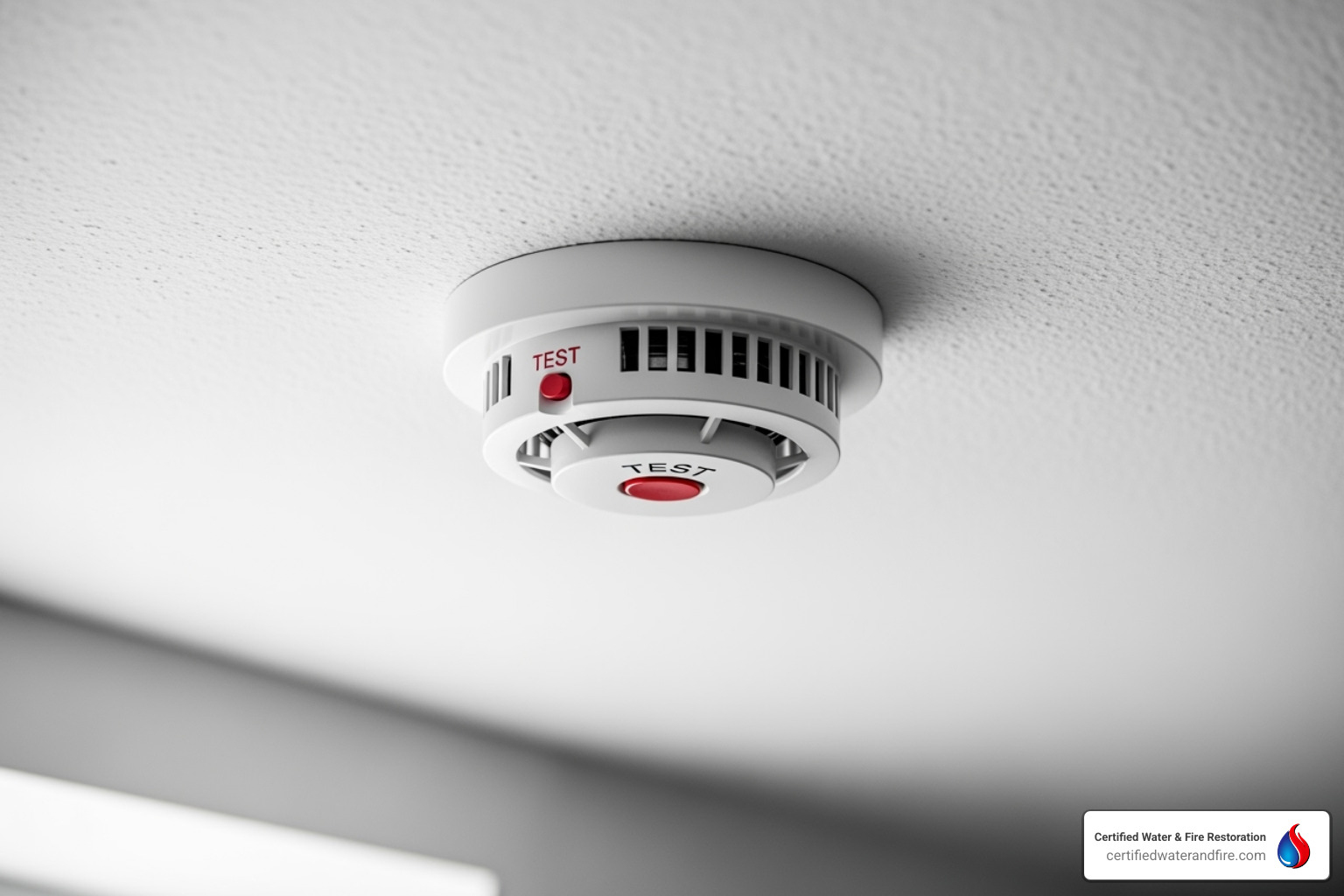
The Eight-Legged Intruder: This one's both creepy and hilarious. A tiny spider, deciding your smoke detector is the perfect cozy new home, can literally crawl inside and trip the sensor. Imagine being evacuated because a tiny arachnid decided to set up shop! Talk about a miniature drama unfolding right above your head.
Chemical Fumes & Sprays: Hairspray, aerosol deodorants, cleaning products, paint fumes – many of these release fine particles or chemicals that can confuse your detector. It's just doing its best to warn you about any strange air composition!

Age and Ailments: Smoke detectors don't last forever. Most have a lifespan of about 10 years. As they age, their sensitivity can go wonky, or internal components might degrade, leading to more frequent "false alarms." Sometimes, it's just an old friend telling you it's time for retirement.
So, Is It Annoying? Absolutely. Is It Doing Its Job? Definitely!
Next time your fire alarm starts screaming its head off for "no reason," remember this: it's not trying to vex you. It's just being ridiculously good at its job. It's so dedicated to keeping you safe that it's willing to be a little overzealous. Better a few false alarms from burnt toast than silence during a real emergency, right?
So, give a little nod to your overly sensitive, sometimes-dramatic, but ultimately life-saving fire alarm. It might be a pain, but it's a pain with a very good reason.