
Picture this: you’re decluttering the garage, maybe digging through a box of old baby gear, or perhaps helping a friend get ready for their new arrival. You spot that trusty infant car seat, the one that safely cradled your little sprout through countless car rides, first doctor appointments, and even a few sleepy trips to the grocery store. It looks perfectly fine, perhaps a little dusty, but otherwise ready for action. Then, your eyes land on a sticker, usually tucked away on the side or bottom, and there it is: an expiration date.
“Wait, what?” you might exclaim, a mix of surprise and a tiny bit of confusion bubbling up. “A car seat expires? Is this some clever marketing ploy to make me buy a new one every few years?” It’s a common reaction, and you’re certainly not alone in your bewilderment. But here’s the scoop, and it's far more about keeping our precious cargo safe and sound than it is about an expiry date conspiracy.
The Invisible Enemy: Time and Temperature
Think about your car. It’s a pretty intense environment, right? Baking in the summer sun, freezing in the winter cold. These aren’t just minor inconveniences; they’re silent, relentless forces working on everything inside, especially your car seat. The sun’s UV rays, those same rays that give you a tan (or a sunburn!), are constantly bombarding the seat’s plastic components. Over time, this exposure can make the plastic brittle. It's not something you can usually see with your naked eye, like a crack or a dent. Instead, it’s a slow, molecular change that weakens the material from within. Imagine a superhero with an invisible kryptonite – that’s kind of what heat and UV are to car seat plastics.
"It's not about how it looks on the outside; it's about the silent strength within."
Then there’s the daily grind: buckling and unbuckling, tightening straps, adjusting headrests. Every single interaction, no matter how gentle, puts tiny stresses on the seat’s structure. These aren't just cosmetic touches; these are integral parts of the car seat's safety system. The buckles, the harness adjusters, the LATCH connectors – they all rely on their materials being strong and resilient. Over years of use, even the highest quality plastics and metals can experience fatigue. It’s like bending a paperclip back and forth repeatedly; eventually, it just snaps. Car seats are designed to withstand a lot, but they’re not immortal.
The Ever-Evolving World of Safety
Another huge reason for that little date sticker? Safety science never sleeps! Just like smartphones get smarter and cars get safer with each new model year, car seats are constantly being researched, tested, and improved. What was considered top-of-the-line safety five or ten years ago might be surpassed by incredible new innovations today. Think about side-impact protection, advanced energy-absorbing foams, or easier-to-install LATCH systems. Manufacturers are always striving to make their seats even better at protecting our little ones in a crash.

When a car seat company sets an expiration date, they’re essentially saying, “Based on our extensive testing and understanding of these materials, and considering the constant advancements in safety technology, we can guarantee this seat’s optimal performance up until this date.” It’s their way of ensuring that every child using one of their seats benefits from the latest and greatest in protection. It’s a commitment to continued safety, a silent promise that their product will perform exactly as intended when it matters most.
Beyond the Date: The Unsung Heroes of Car Seat Retirement
While the expiration date is a clear signal, there are other reasons why a car seat might need to retire from active duty. The biggest one? An accident. If a car seat has been in a crash, even a minor fender bender, it needs to be replaced immediately. Even if you can’t see any damage, the forces of an impact can cause microscopic cracks in the frame or compromise the integrity of the harness system. Think of it as a hidden wound – the seat has done its job once, absorbing the crash energy, but it’s no longer reliable for a second performance. Always check the manufacturer’s guidelines on this, but the general rule is: crash = new seat.
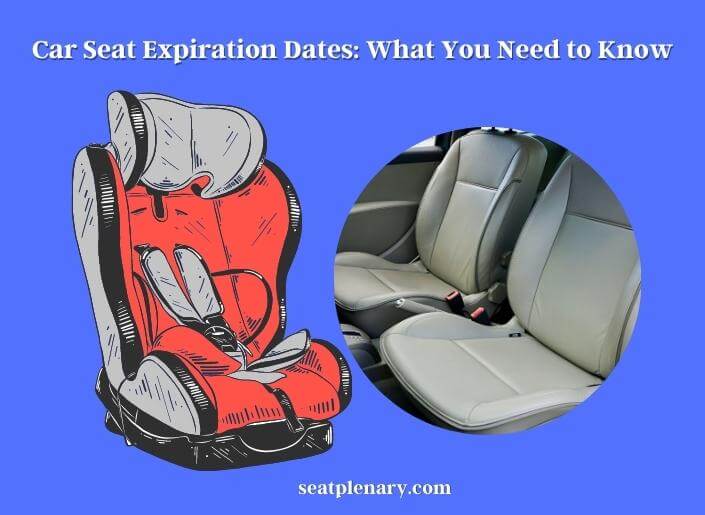
Missing parts, frayed straps, or any damage to the seat’s structure also mean it’s time for a replacement. Remember, every component plays a crucial role in protecting your child. You wouldn’t want a single weakened link in that chain of safety.
A Hug and a Hard Goodbye
So, the next time you spot that expiration date, don't view it as a sneaky trick. Instead, see it as a warm, reassuring hug from the engineers and safety experts who design these vital pieces of equipment. It’s a reminder that every detail, down to the lifespan of a plastic component, is meticulously considered to keep our most precious passengers safe.
Retiring an old car seat, even one filled with cherished memories, isn’t about waste. It’s about prioritizing safety above all else. It’s a testament to how much we love and want to protect our children, ensuring that they always ride in equipment that’s at its peak performance. So, give that old seat a grateful pat, say your goodbyes, and welcome the next generation of safety innovation for your growing family. After all, when it comes to our little ones, peace of mind is truly priceless.