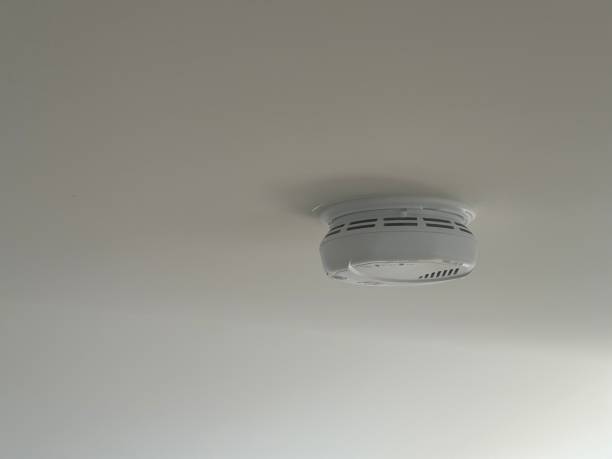
Okay, let's talk about a sound that can, frankly, interrupt the most profound thoughts, the deepest sleep, or the most inspired creative flow: that persistent, often infuriating, beep from your First Alert smoke detector. Before you roll your eyes and hunt for a broom to whack it, consider this humble guardian not as an annoyance, but as a surprisingly profound messenger. It’s not just a piece of plastic on your ceiling; it's a silent sentinel, suddenly vocalizing, reminding us of something crucial. Its popularity isn't in its melodious tune, but in its unwavering commitment to keeping us safe, making it an unsung hero of home stability.
For the artists among us, the diligent hobbyists, or even the casual learners simply navigating the fascinating world of home maintenance, addressing that persistent beep offers a unique kind of satisfaction. Think of it as a miniature puzzle, a domestic detective story! By understanding what your smoke detector is trying to tell you, you’re not just silencing a noise; you’re empowering yourself with knowledge. You're ensuring your creative haven remains a safe haven, free from worry. It’s about cultivating an environment where inspiration can flourish without the underlying hum of a neglected safety warning.
What kind of message is your detector sending? There are, surprisingly, different "dialects" of the beep! The most common and arguably the most famous is the intermittent chirp, often every 30-60 seconds. This is usually your detector crying out for a fresh battery – a simple plea for sustenance! Then there's the more urgent, continuous alarm, which means it’s detecting smoke or something more serious, requiring immediate investigation. Less commonly, but just as important, is a series of chirps that indicates the unit itself has reached its end-of-life. Smoke detectors don't last forever; typically, they need replacing every 7-10 years. Each "beep style" offers a different clue in your domestic mystery, guiding you toward the solution.
Ready to be your own household hero? It’s simpler than you might think to address this vocal guardian.
- Change the Batteries: This is almost always the first step for an intermittent chirp. Most First Alert models use 9-volt batteries, though some have sealed 10-year batteries. Remember to replace all batteries if you have multiple units, and use fresh, high-quality ones.
- Clean it Up: Dust and insects can sometimes trigger false alarms or chirps. Gently vacuum around the vents or use compressed air to clear any debris.
- Check the Age: Look for the manufacturing date on the back or side of the unit. If it’s older than 7-10 years, it’s time for a replacement. This is crucial for maintaining optimal safety.
- Reset it: After changing batteries or cleaning, many detectors need a quick reset. Hold down the test button for 10-15 seconds until it beeps or flashes, then release.
There’s a quiet satisfaction, a palpable sense of accomplishment, in solving the mystery of the beeping smoke detector. It’s not just about silencing an annoying sound; it’s about taking proactive control of your home environment. It’s about the peace of mind that settles over you when you know your home is safe and sound, ready for more creative endeavors or simply undisturbed rest. This small act of home maintenance reinforces your role as the diligent guardian of your space, a subtle yet profound enjoyment derived from ensuring safety and harmony.