
Okay, let's set the scene: You’re chilling, maybe watching your favorite show, or perhaps you’re deep in the zone cooking up something delicious. Suddenly, a high-pitched shriek tears through the air. Your heart jumps. It’s the fire alarm! You leap up, scan the room, sniff the air… and there’s absolutely no smoke. Nada. Zilch. What on earth just happened? Is your alarm just being dramatic? Or is there some secret, invisible fire you’re unaware of?
Don't worry, you're not alone in this mystery. This surprisingly common scenario isn’t just annoying; it’s actually pretty fascinating when you peek behind the curtain. Turns out, your trusty smoke detector isn't always looking for thick, black smoke. Sometimes, it's just a little bit... overzealous. Let's dive into some of the sneaky culprits that can trigger that ear-splitting symphony without a visible flame in sight.
The "Invisible Smoke" Brigade: Things That Mimic Danger
First up, let's talk about the masters of disguise. These everyday elements are pros at tricking your alarm into thinking there’s a five-alarm blaze when really, it’s just life happening.
Steam and Humidity: The Bathroom Bandit
Ever notice your alarm going off right after a super steamy shower? Yep, that’s a classic. Modern smoke detectors, especially the photoelectric kind, work by shining a light beam across a chamber. If smoke particles interrupt that beam, the alarm goes off. But guess what else is great at scattering light? Tiny water droplets from steam! To your alarm, a thick cloud of shower steam looks an awful lot like a smoky haze. It's like the alarm is getting confused, thinking your bathroom just spontaneously combusted into a tropical rainforest.
Cooking Vapors: The Culinary Confusion
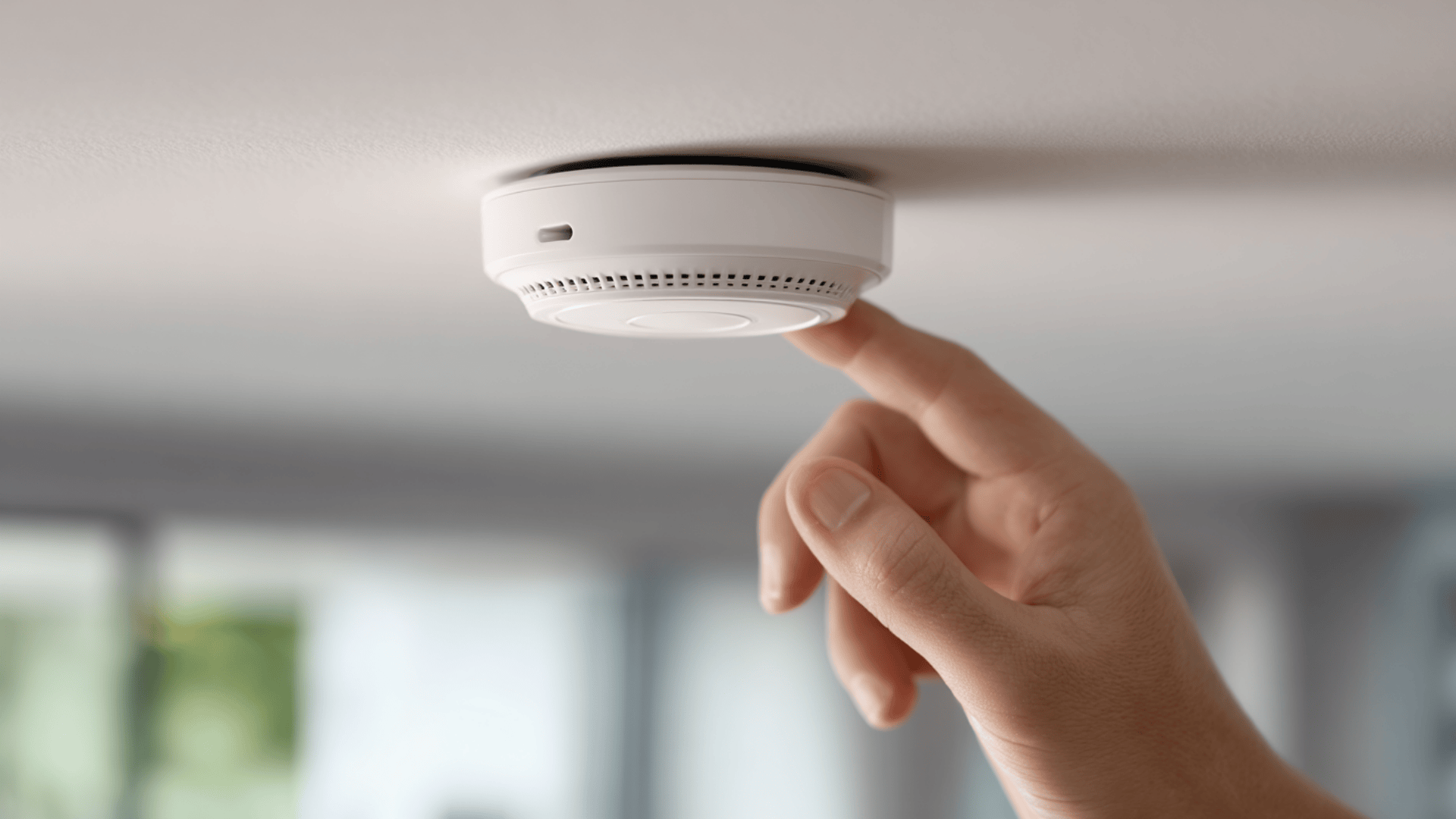
This is probably the most common culprit. You’re searing a steak, toasting some bread, or maybe just really going at it with the oven on a high heat. Even if nothing is burning, cooking releases tiny particles into the air. Think about that delicious aroma wafting from your kitchen – those are tiny airborne molecules! A sensitive smoke detector can pick these up and interpret them as smoke. It’s like your alarm just can’t handle how good your food smells and thinks it must be on fire. Especially with high-heat cooking like stir-frying or broiling, those delicious fumes can set off the alarm. Your alarm isn't just protecting you; it's also critiquing your culinary skills!
Dust and Debris: The Tiny Troublemakers
Your smoke detector isn't immune to getting a little dirty. Over time, dust, cobwebs, and tiny bits of lint can accumulate inside the sensor chamber. Remember that light beam we talked about? If enough dust builds up, it can start to obstruct the beam, just like smoke would. It's like a tiny, microscopic dust bunny rave happening inside your alarm, inadvertently tripping the sensor. Regular cleaning (gently vacuuming around the vents) can often prevent these phantom alarms.
Chemical Fumes: The Scent-sational Saboteurs
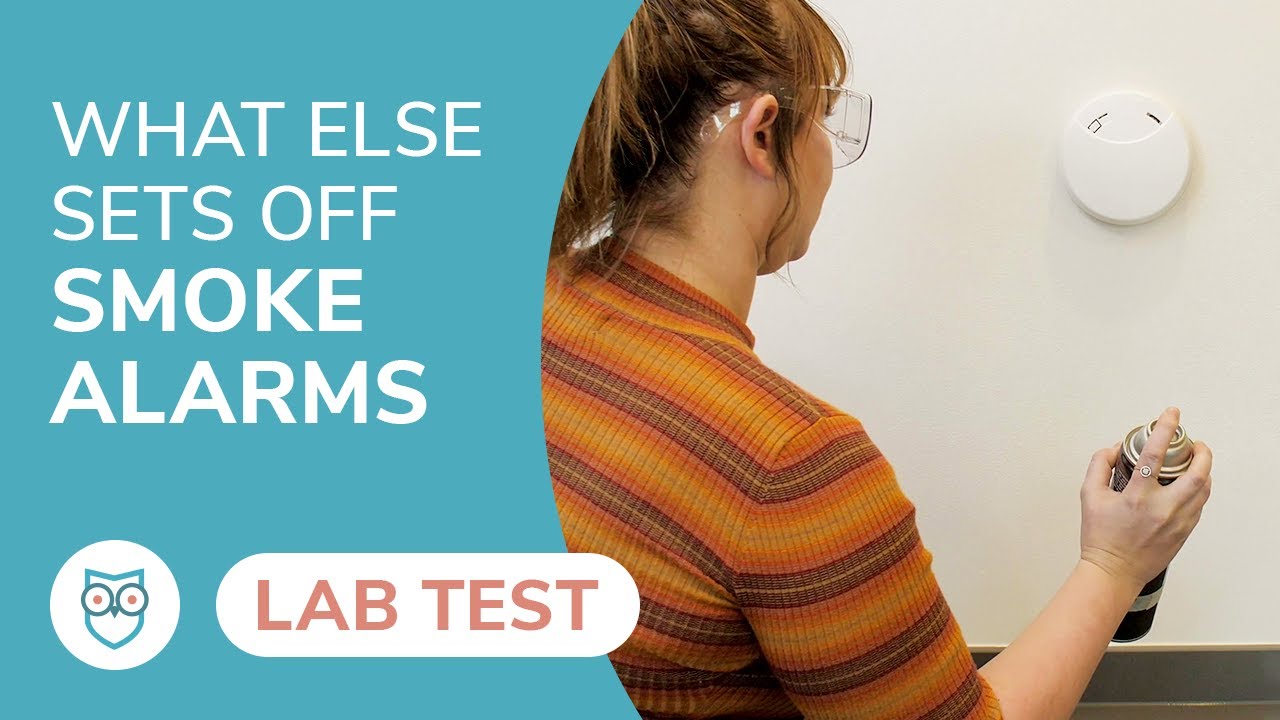
Ever used a strong cleaning spray, aerosol air freshener, or even bug repellent a little too close to an alarm? Many of these products release fine particles or chemicals that can mimic smoke particles to your detector. It’s not a fire, but the alarm thinks it smells something suspicious in the air. Like a nosy neighbor, it's just trying to figure out what you're up to!
When It's Not the "Smoke," It's the Alarm Itself
Sometimes, the false alarm isn't about what's in the air, but about the device itself. Even our vigilant guardians need a little attention!
Battery Drama: The Power-Hungry Prima Donna
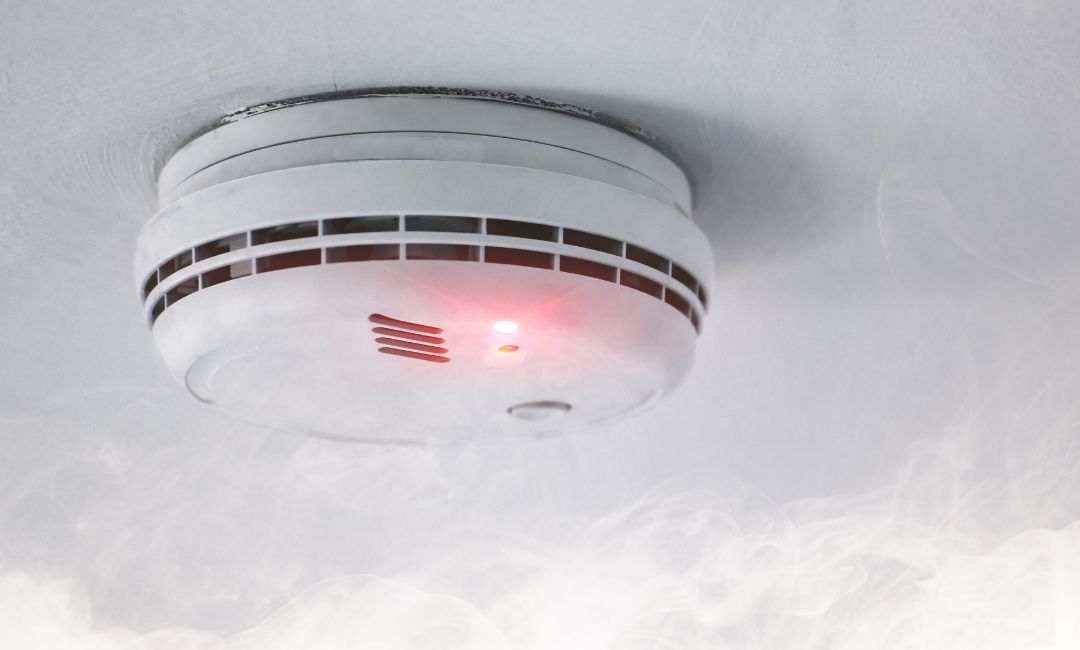
You know that annoying chirp, chirp, chirp of a low battery? Sometimes, before it gets to the gentle (but insistent) chirp, a dying battery can cause the alarm to act erratically, leading to a full-blown false alarm. It's like the alarm is having a complete meltdown, screaming for attention before its final fade-out. Always make sure those batteries are fresh!
Bugs: The Uninvited Guests
Yes, really! A tiny spider, a curious fly, or even a microscopic gnat can crawl into the alarm's sensing chamber. If it flits through the light beam of a photoelectric detector, guess what? Alarm! It’s like a tiny alien intruder setting off the defenses, completely by accident. This is probably the most quirky reason your alarm might be screaming at you.
Old Age and Malfunction: The Grumpy Grandparent

Just like us, smoke detectors don't last forever. Most manufacturers recommend replacing them every 8-10 years. As they age, their sensors can become less reliable, more sensitive, or just plain faulty. An old alarm might start giving you false positives because its internal components are worn out, or the sensor has accumulated irreparable gunk. It’s like an old dog barking at shadows – it’s seen too much, and now it’s just a bit confused.
Extreme Temperature Changes: The Unexpected Warm-Up
Some smoke detectors also include a heat sensor. If there’s a sudden, rapid increase in temperature – perhaps from a furnace kicking on directly below it, or even a sudden burst of hot air from an appliance – it can trigger the alarm even without smoke. It's not a common occurrence for false alarms, but it shows how many different senses your alarm uses to keep you safe!
So, What's the Takeaway?
The next time your fire alarm screams its head off without a wisp of smoke, take a deep breath. Instead of just being annoyed, take a moment to appreciate the complex little guardian on your ceiling. It’s not always seeing a roaring inferno; sometimes it's just trying to tell you that you've got amazing cooking skills, your shower was epic, or perhaps a tiny bug decided to throw a party inside its sensor. It's a clever piece of tech, just a bit sensitive sometimes! Understanding these quirks can help you diagnose the issue and keep your home safe – without unnecessary panic.