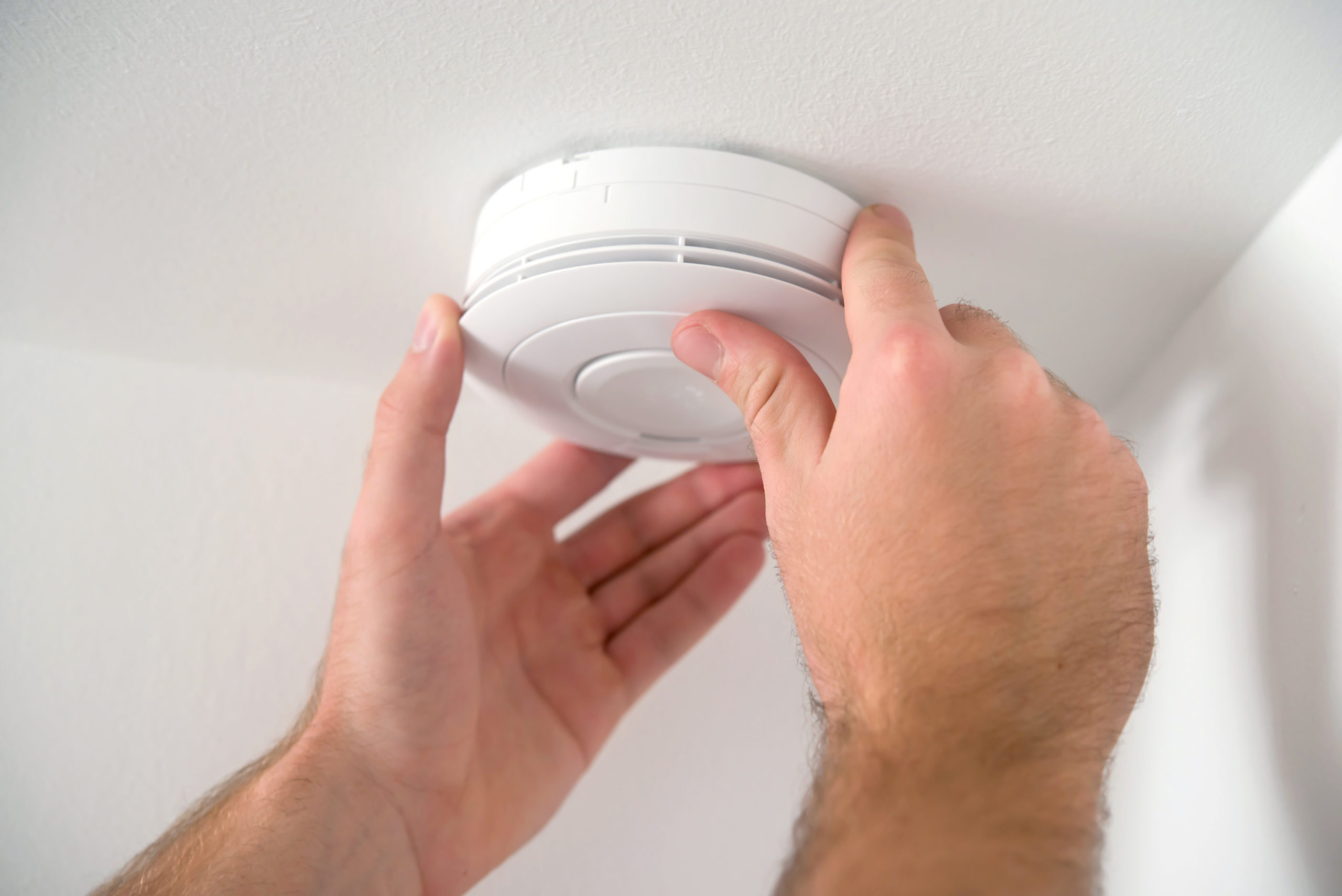
Ever heard that insistent, high-pitched chirp or blaring alarm from a device you barely notice most days? That's your carbon monoxide detector speaking up! It might sound annoying, but trust us, it’s one of the most important noises your home can make. Think of it as your house’s very own superhero, giving you a crucial heads-up.
So, what’s the big deal? Why is this little gadget so special? Well, it’s all about something called carbon monoxide, or CO for short. This stuff is a truly sneaky villain. It’s a gas, but you can’t see it, smell it, or taste it. It’s completely invisible, totally odorless, and utterly tasteless. That’s why your detector is such a star – it picks up on something your human senses simply can’t.
The Invisible Intruder: What is CO?
Imagine a ghost haunting your home. That’s a bit like CO. It comes from things that burn fuel. We’re talking about your furnace, gas stove, water heater, fireplace, or even a car running in an attached garage. When these things aren’t working perfectly, they can produce CO. Normally, the gas safely vents outside. But if something goes wrong – a blocked flue, a cracked heat exchanger, or a lack of ventilation – CO can build up inside your home.
And when CO gets into your bloodstream, it basically pushes out the oxygen your body needs. This can quickly become very dangerous, even deadly. It’s not just a little headache; it can lead to serious health problems and, tragically, worse. This is why that little chirping device is far more than just a nuisance.
Your Home's Guardian Angel: The CO Detector
Your carbon monoxide detector is truly an unsung hero. It's constantly sniffing the air, looking for even tiny traces of that invisible danger. It’s like having a dedicated guard on duty 24/7. When it senses CO levels are getting too high, it doesn’t mess around. It lets out that distinct alarm sound to grab your attention immediately. This early warning can literally save lives, giving you precious time to act.

Sometimes, your detector might chirp softly. This usually means the battery is low. Just like a smoke detector, these need fresh batteries regularly – usually every six months or so. Make it a habit! If it’s a constant, loud alarm, that’s when you need to pay serious attention.
"Your CO detector is the silent sentinel guarding against the invisible foe. When it speaks, listen closely."
Carbon Monoxide Detector Went Off Then Stopped (Cause + Fix) - FactsManiya

When It Goes Off: What To Do
Okay, so your CO detector is blaring its alarm. What now? Don't panic, but act quickly. This isn't a drill. It’s a signal that there might be a real danger. Here’s the super important part:
- Get everyone outside immediately. This includes pets! Don't stop to gather belongings. Just get out into fresh air.
- Call 911 or your local emergency number. Explain that your carbon monoxide detector is going off. They will send the fire department or other trained professionals to investigate.
- Do not re-enter your home until emergency responders say it's safe. They have special equipment to check for CO levels.
It's better to be safe than sorry. Even if it turns out to be a false alarm (which is rare if the alarm is continuous), taking these steps is always the right call. You wouldn't ignore a fire alarm, and you shouldn't ignore your CO detector either.

Keep Your Hero Happy: Maintenance Tips
To make sure your carbon monoxide detector is always ready to protect you, give it a little love:
- Test it regularly: Most detectors have a "test" button. Press it once a month to make sure the alarm sounds.
- Change batteries: As mentioned, replace batteries twice a year. An easy way to remember is to do it when you change your clocks for daylight saving time.
- Know its age: Detectors don’t last forever. They usually have a lifespan of 5-7 years. Check the manufacture date on the back and replace it when it's old.
- Placement matters: Make sure you have detectors on every level of your home, especially near sleeping areas.
Understanding why your carbon monoxide detector goes off isn't just about knowing what the sound means. It's about appreciating this fantastic piece of technology that works tirelessly to keep you and your loved ones safe from a truly insidious threat. So next time you hear that chirp, remember its importance. It's a reminder of a guardian always on watch, making your home a safer, happier place.