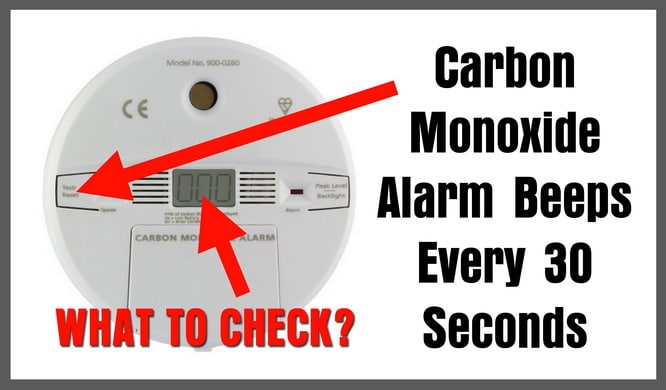
The sudden sound pierces the quiet of your home. It's a jarring, insistent beep that instantly makes your heart pound. You know that sound, don't you?
It's the dreaded carbon monoxide alarm. Your mind immediately jumps to the worst-case scenario.
Is there an invisible, odorless killer lurking? Are we all doomed? What on earth is happening?
You frantically search, trying to locate the source of the noise. Often, it's just a singular chirp, repeating every minute or so.
It feels like a tiny, electronic bird is trapped in your ceiling, slowly losing its mind. Or maybe, it's making you lose yours.
The Unpopular Opinion: It's Usually Not the Scary Stuff
While that alarm is a vital lifeline, let's be honest. Most of the time, when it starts its sudden serenade, it's not because of a deadly gas leak.
No, often, your CO alarm is just being a bit of a drama queen. It's overreacting, perhaps a little too sensitive for its own good.
It's performing a kind of electronic theatrics. A grand performance of panicked beeps, simply because it wants attention.
The Low Battery Lament (aka The Alarm's Cry for Help)
This is the classic culprit. The undisputed champion of untimely chirps. It's the low battery warning.
Your alarm isn't detecting danger; it's detecting a dwindling power supply. It's literally begging for a fresh nine-volt.
And when does it choose to make this plea? Always in the dead of night. Usually around 3 AM, when you're deep in slumber.
You stumble out of bed, eyes half-closed, trying to pinpoint the source. Is it the smoke alarm? The carbon monoxide alarm? A particularly persistent cricket?
The sound seems to echo from everywhere and nowhere all at once. It's a torturous game of "Marco Polo" with an inanimate object.
You finally locate the culprit, often high on a wall or ceiling. It's your CO alarm, flashing a tiny, angry light.
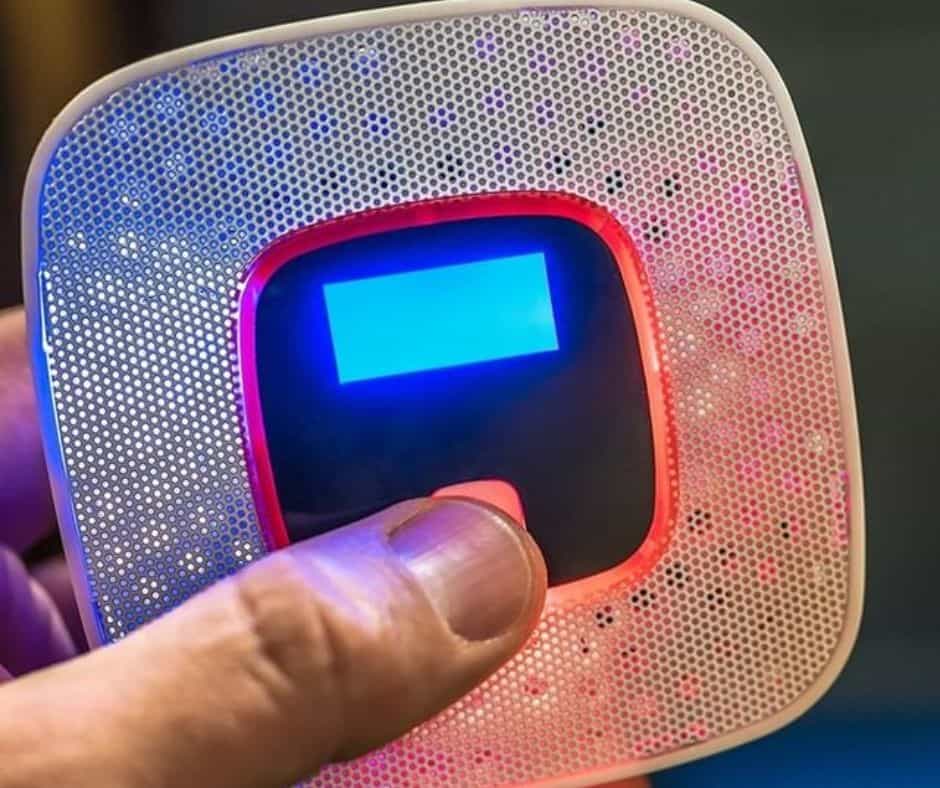
All it needs is a quick battery swap. A simple act of electrical CPR. And suddenly, blissful silence returns to your home.
Until next year, of course, when the cycle inevitably repeats. It’s an annual tradition for many households.
Think of it as your alarm’s way of ensuring you remember its existence. A very loud, memorable reminder.
The "I'm Done" Declaration (End-of-Life Signal)
Alarms, like all good things, don't last forever. They have a recommended lifespan, typically between seven and ten years.
Once they hit that magical number, their sensors start to wear out. They just aren't as sharp as they used to be.
So, instead of a low battery chirp, you might get a different kind of beep. It could be a series of three or four chirps, repeating periodically.
This isn't a plea for a new battery. This is the alarm's retirement notice. It's saying, "My time is up. Replace me!"
It’s the digital equivalent of an elderly relative telling you they're ready to put their feet up. And they're going to make sure you hear them.
You might consult the manual, scratching your head. "Is this a fault?" No, it's just the natural order of alarm life.
Time to thank your old guardian for its service. Then, politely usher it out the door and install a shiny, new model.
It's important to heed this signal. An expired alarm is not a vigilant alarm. It's just a noisy, elderly plastic box.
The Dust Bunny Drama Queen
Sometimes, the smallest things cause the biggest fuss. And when it comes to carbon monoxide alarms, dust can be a real troublemaker.
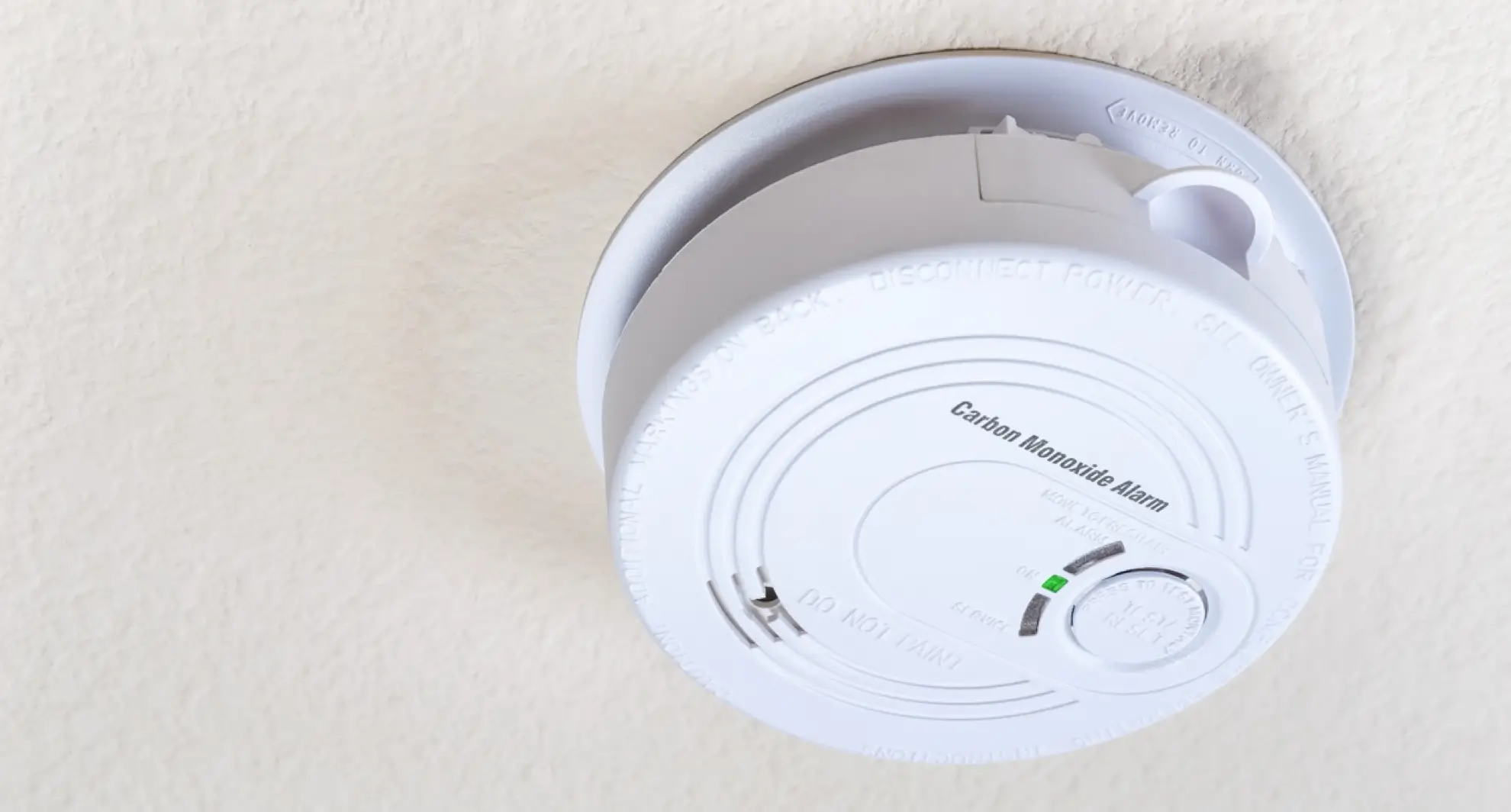
Tiny dust particles can sneak into the sensor chamber. They settle, accumulate, and effectively clog up the works.
Your alarm's sensitive sensors might misinterpret these dust bunnies. It could think they are actual gas particles.
It’s like an overzealous bouncer at a club, mistaking harmless fluff for dangerous contraband. And then hitting the panic button.
A quick, gentle cleaning can often resolve this. Grab a soft cloth or use a vacuum cleaner with a brush attachment.
Carefully dust around the vents and openings of the alarm. You're essentially giving it a much-needed breath of fresh air.
This simple act can silence the unwarranted beeping. It saves you from frustration and potentially buying a new alarm unnecessarily.
So, before you panic, consider a little spring cleaning. Your CO alarm might just be a victim of household grime.
The Humidity Hissy Fit (aka The Steamy Scene)
Ever notice your alarm sounding off after a particularly long, hot shower? Or when your kitchen is thick with steam from boiling water?
High humidity can sometimes play tricks on your carbon monoxide alarm's sensors. They can get confused by the dense moisture in the air.
It’s like the alarm is getting a little lightheaded. It thinks the water vapor is something far more sinister than just a good old-fashioned steam bath.
This is especially common if your alarm is located too close to a bathroom. Or if your kitchen lacks proper ventilation when you're cooking up a storm.
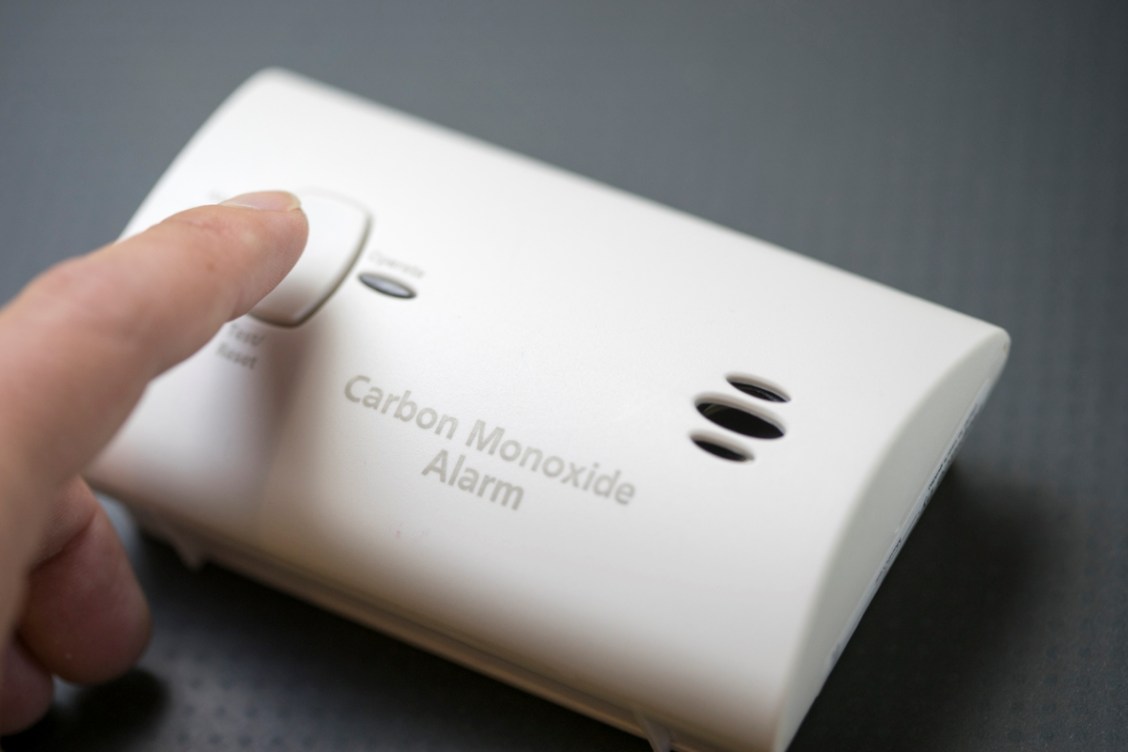
The alarm just gets a bit overwhelmed. It's trying its best, but sometimes it just can't handle a steamy environment.
The easy fix? Open a window. Turn on the exhaust fan. Let the air circulate and clear out that moisture.
Once the humidity levels drop, your alarm will likely settle down. It’s just a sensitive soul, prone to dramatic reactions.
Remember, it’s always trying to protect you, even if its methods involve a momentary, ear-splitting overreaction to water vapor.
The Culinary Caper (Cooking Fumes Confusion)
You’re cooking dinner. Perhaps you’ve got a gas stove going, or maybe something in the oven is browning a little too enthusiastically.
Suddenly, the alarm sounds its shrill warning. Your carbon monoxide alarm might be reacting to combustion byproducts.
Even everyday cooking can release small, harmless amounts of carbon monoxide. Especially if your kitchen isn't well-ventilated.
Your alarm, being the vigilant guardian it is, picks up on this. It doesn't know the difference between a slight cooking emission and a serious threat.
It's like a highly trained guard dog barking at the mailman. It's doing its job, but maybe a little too enthusiastically.
This doesn't necessarily mean your house is about to explode. It just means your alarm is being incredibly cautious.
Turn on your range hood. Open a nearby window. Let the cooking fumes dissipate into the fresh air outside.
Once the air clears, your alarm should quiet down. It's just a very sensitive food critic, expressing its concerns about your culinary endeavors.

It's always better for it to beep unnecessarily than to miss a real danger. A tiny bit of inconvenience for a lot of safety.
The Takeaway: A Drama Queen with a Heart of Gold
Yes, your carbon monoxide alarm can be a bit of a diva. It has its quirks, its dramatic flair, and its insistence on beeping at the most inconvenient times.
It can make you jump out of your skin. It can disrupt your sleep. It can even make you question its very existence in your home.
But remember its ultimate purpose. It's there to protect you and your loved ones from an invisible, silent, and deadly threat.
Carbon monoxide is a silent killer. It has no smell, no taste, and no color. Without an alarm, you wouldn't even know it's there.
So, while its dramatic beeps can be annoying, they're a small price to pay. They provide an invaluable service.
Next time your CO alarm starts its concert, take a deep breath. Don't just get annoyed, get curious.
Check the battery. Give it a gentle dusting. Observe its surroundings for steam or cooking fumes.
Most likely, it's just one of these common, non-threatening reasons. Your alarm is simply doing its best to be heard.
It's an over-cautious, sometimes melodramatic friend. But it's a friend you definitely want in your corner.
Embrace its occasional dramatics. It's all part of living with a dedicated, if slightly high-strung, guardian.
It's always better to investigate a false alarm than to ignore a genuine warning. Your peace of mind is worth a little midnight drama.