There's a special kind of dread that hits you, isn't there? That piercing, ear-splitting shriek that cuts through the quiet of your home, usually in the dead of night, or right when you're about to sit down with a perfectly brewed cup of coffee. You spring into action, heart pounding, scanning for flames, only to find… nothing. Absolutely zilch. Just that incessant, grating sound telling you your house is on fire, when clearly, it isn't. “Why do my smoke alarms go off for no reason?!” you wail, as you wave a dish towel frantically or try to stand on a chair to smack the offending device. Welcome to the club, my friend. You're not alone, and surprisingly, there are usually very good (albeit annoying) reasons behind these false alarms.
The Usual Suspects: Why Your Alarm is a Drama Queen
Let's face it, our smoke alarms are a bit like overly sensitive friends – they mean well, but sometimes they just get a little carried away. Understanding why they act up can save you a lot of grief (and unnecessary adrenaline rushes).
1. Culinary Catastrophes (and Everyday Cooking)
This is probably the number one offender. Ever burnt toast? Or maybe you just seared a steak a little too enthusiastically? Even boiling water can create enough steam to trigger some alarms, especially if they're close to the kitchen. Smoke alarms are designed to detect tiny particles in the air. High heat, steam, and even the smallest whiff of smoke from your culinary adventures can mimic actual fire smoke.
Tip: Invest in a good range hood and always use it. If your alarm is constantly triggered by cooking, consider relocating it slightly further from the kitchen, or opting for a photoelectric alarm in that area, which is generally less sensitive to cooking fumes and steam than an ionization alarm.
2. Dust Bunnies and Creepy Crawlies
Yes, really! Your smoke alarm isn't just a vigilant guardian; it's also a tiny, dark cave for dust and small insects to explore. A buildup of dust inside the sensing chamber can interfere with the sensor's ability to "see" clearly, causing it to misinterpret the dust particles as smoke. Similarly, a rogue spider or a tiny ant can wander into the chamber and trigger the alarm. It's their version of setting off the alarm at a fancy museum, perhaps.
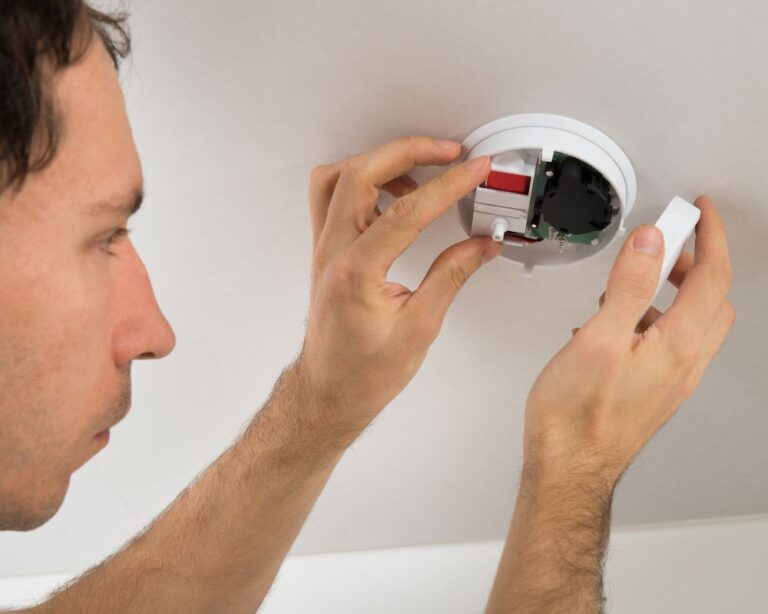
Tip: Give your alarms a regular clean! Gently vacuum around the vents with a soft brush attachment or wipe them down. A quick blast of compressed air can also do wonders. Make this part of your quarterly spring cleaning ritual.
3. Humidity and Steam from Your Spa Day
Are your alarms strategically placed near a bathroom? A steamy shower or bath can release enough moisture into the air to trigger the alarm. This is particularly common if your bathroom isn't well-ventilated.
Tip: Ensure good ventilation in bathrooms. Always use the extractor fan during and after showers. And avoid placing smoke alarms directly outside bathrooms or in excessively humid areas like laundry rooms.

4. The Dreaded Low Battery Chirp (or a Faulty One)
Ah, the low battery chirp. It's not a full-blown alarm, but it's a persistent, intermittent peep that can be maddening. Sometimes, however, a dying battery or even a poorly installed new one can cause the unit to behave erratically and go into full alarm mode. Remember the classic cultural reference: "It always happens at 3 AM!"
Tip: Change your smoke alarm batteries at least once a year. A popular trick is to do it when Daylight Saving Time changes – "spring forward, change batteries; fall back, change batteries." Even better, just swap them out every six months to be safe. And if the alarm keeps acting up after a battery change, it might be time for a new unit.

5. An Old Soul (or Just Plain Faulty)
Smoke alarms don't last forever. Most manufacturers recommend replacing them every 8-10 years. Over time, the sensors can degrade, the internal components can wear out, and the unit can become more prone to false alarms. Think of it like an old car; things just start to creak and complain.
Tip: Check the manufacturing date on the back of your alarm. If it's pushing a decade, it's time for a replacement. They're an inexpensive way to buy peace of mind.
6. Poor Placement is No Small Problem
Where you install your smoke alarm matters a lot. Placing it too close to a window, a vent, or a fan can cause air currents to disrupt the sensor. Too close to the kitchen or bathroom, as mentioned, is also a common issue. Different types of alarms are better suited for different areas – photoelectric alarms are generally better for kitchens and near bathrooms as they are less prone to nuisance alarms from cooking, while ionization alarms are quicker to detect fast-flaming fires.

Tip: Install alarms in hallways outside sleeping areas and on every level of your home. Keep them at least 10 feet (3 meters) away from cooking appliances and away from air vents or drafty areas.
Embrace the Quirks, Stay Safe
While an unexpected blast from your smoke alarm can feel like a personal attack on your peace and quiet, remember its core purpose: to keep you safe. Those false alarms, annoying as they are, are often a sign that the unit is sensitive and working – perhaps a little too well.
By understanding the common culprits, performing a few simple maintenance checks, and ensuring proper placement, you can significantly reduce those startling interruptions. It's a small trade-off for the invaluable protection these little sentinels offer. So next time it shrieks, take a deep breath, blame the toast, and maybe give it a quick dust. Your home (and your hearing) will thank you.