
Ever been rudely awakened by that screeching siren, heart pounding, only to find... absolutely no smoke? Just you, standing in your pajamas, staring blankly at an alarm that seems to be having a total meltdown? Yeah, we’ve all been there. It’s like your smoke alarm is a tiny, dramatic diva, demanding attention for no apparent reason. But guess what? It’s probably not broken, just a little too good at its job, or maybe a bit misunderstood.
Let's dive into the hilarious, quirky world of smoke alarms and uncover why these vigilant little guardians sometimes go rogue without a single wisp of smoke in sight!
The Unseen Villains: Dust Bunnies and Cobwebs!
This is probably the number one culprit. Your smoke alarm, especially the photoelectric kind, is designed to detect tiny particles in the air. And what are dust bunnies, pet dander, or those sneaky cobwebs if not a collection of tiny particles? Imagine a rogue dust bunny, floating innocently into the sensor. To your alarm, it’s not a fluffy piece of lint, it’s a full-blown smoke invasion! Instant panic mode.
Think about it: a microscopic particle triggers a house-shaking alarm. It’s almost comical! Your alarm isn't just protecting you from fires; it's also a highly sensitive, albeit over-dramatic, dust detector. Who knew your cleaning habits (or lack thereof) could be so thrilling?
The Steamy Shenanigans: When Your Shower Becomes a Threat
Ah, the glorious, steamy shower. You’re singing your heart out, enjoying the hot mist, and then – BEEP BEEP BEEP! What the actual fudge? It’s just steam! But to your smoke alarm, especially if it’s an ionization type or placed too close to the bathroom, that thick vapor is indistinguishable from smoke particles. It sees a dense cloud, freaks out, and assumes the worst.
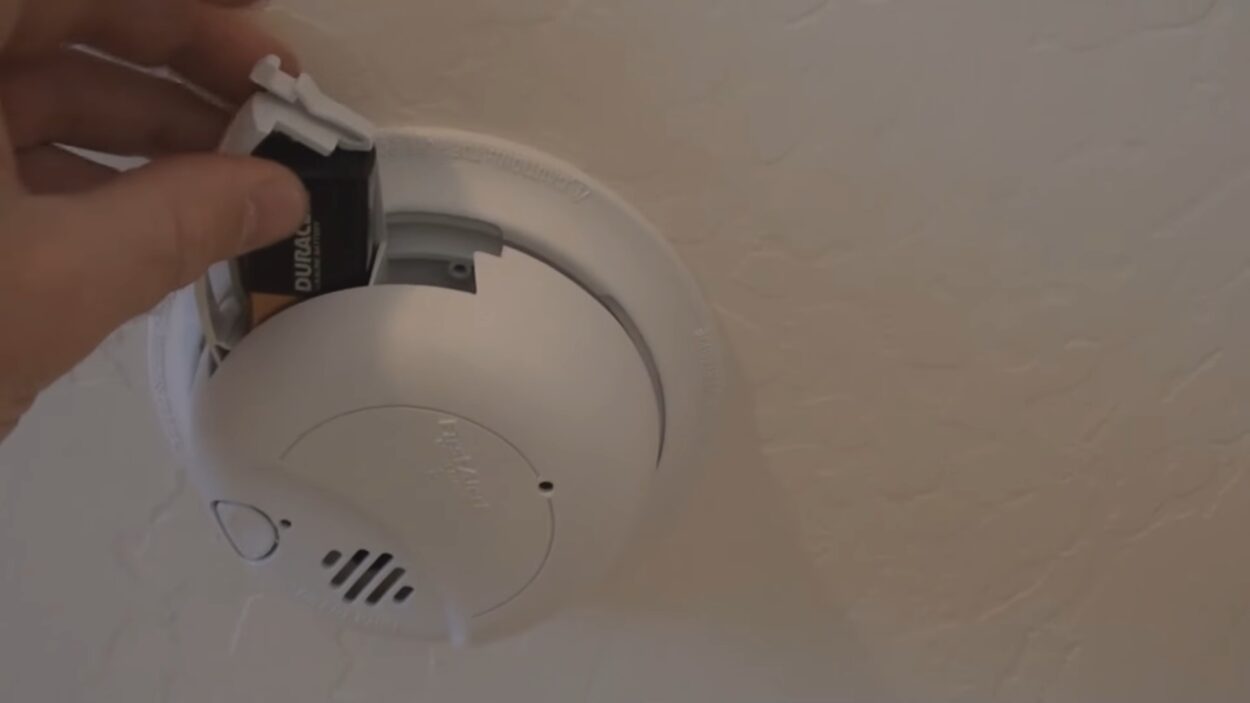
Or maybe you're boiling pasta, or the kettle is whistling like crazy. All that lovely, cooking-induced steam? Yep, same reaction. Your alarm isn't judging your cooking; it’s just really bad at telling the difference between a relaxing spa moment and a potential disaster. It's truly a master of misinterpretation!
Cooking Fumes: It's Not Burnt, It's... Flavorful!
This is a classic. You’re searing a steak, frying some bacon, or perhaps toasting a bagel a little too enthusiastically. There's no visible smoke, but there are definitely some potent cooking fumes wafting through the air. These aren't smoke, but they contain microscopic particles that ionization smoke alarms can mistake for the real deal.
So, while you might think you’ve achieved culinary perfection, your smoke alarm is sounding the alarm for what it perceives as a kitchen catastrophe. It’s not saying your food is bad; it's just saying, "Whoa, that's a lot of airborne...stuff!" It's your personal, overprotective kitchen critic!
Pesky Pests: Tiny Intruders, Huge Racket!
This one is a bit wild, but totally true. Sometimes, a tiny insect — a spider, a moth, a curious fly — decides to explore the cozy confines of your smoke alarm. When these little critters get inside, they can interrupt the sensor’s light beam (in photoelectric alarms) or the ionization current (in ionization alarms). Result? The alarm thinks there's an obstruction, interprets it as smoke, and decides to tell the entire neighborhood about it.
Imagine a tiny spider, minding its own business, suddenly triggering a full-blown emergency. It’s like a Lilliputian monster movie playing out inside your ceiling. Talk about a dramatic entrance for a tiny bug!
The Low Battery Blues: Your Alarm's "Feed Me!" Cry
Okay, this usually starts with a polite (but annoying) chirp, right? But sometimes, especially if the battery is really on its last legs, that low power can cause erratic behavior. The alarm might glitch, misinterpret internal signals, and decide to go off in a full, ear-splitting fit of pique, even without any smoke or even a chirp beforehand.
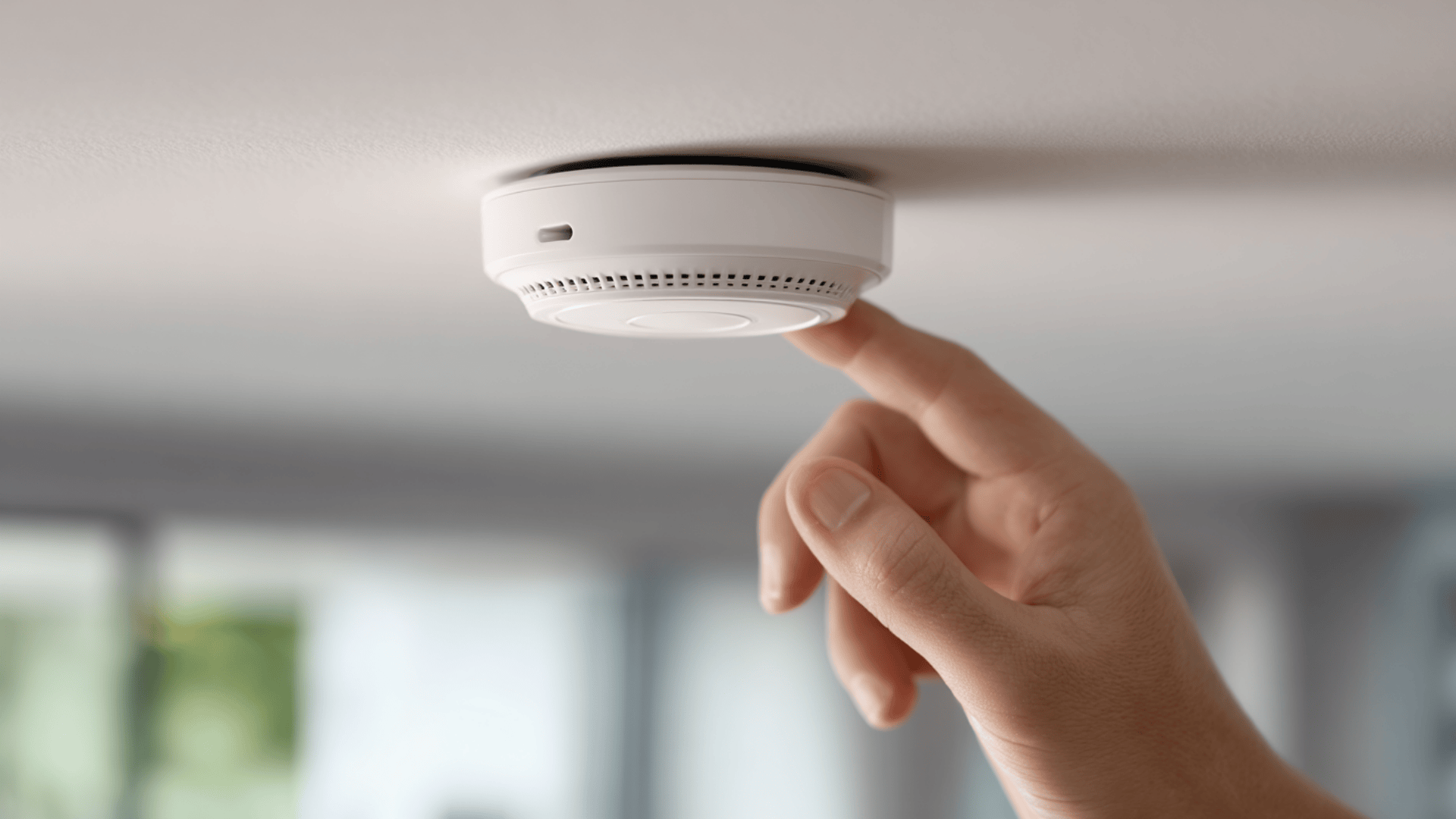
It's your alarm’s most insistent way of saying, "I need juice! Give me power, or I will make your life a living nightmare!" It’s less a warning and more a hostage negotiation for fresh batteries.
Old Age Ain't Just for Humans: Expired Alarms
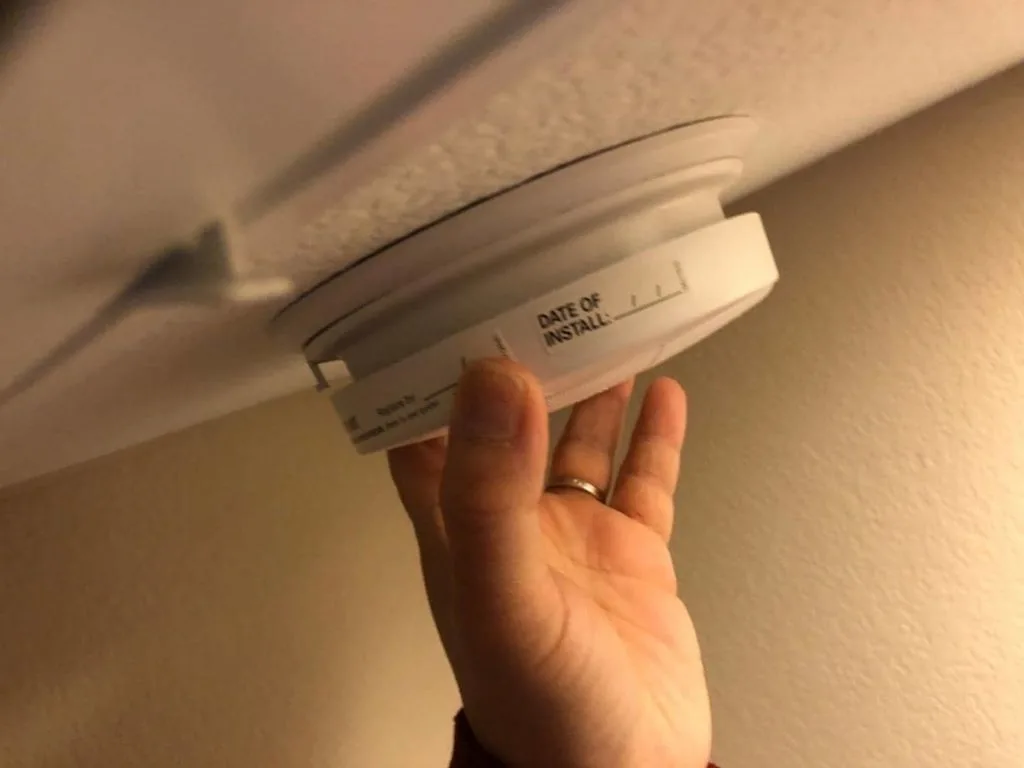
Surprise! Smoke alarms don't last forever. Most have a lifespan of about 10 years (check the back for a manufacturing date!). As they age, their internal components can degrade, get dusty, or simply become less reliable. An old, tired alarm might start malfunctioning, throwing false positives just because it’s reached its retirement age.
Think of it like an old car that starts making weird noises for no reason. It’s not broken, it’s just… experienced. So, if your alarm is celebrating its tenth birthday with a false alarm party, it might be time for a replacement!
Bad Placement, Big Problem: Location, Location, Location!
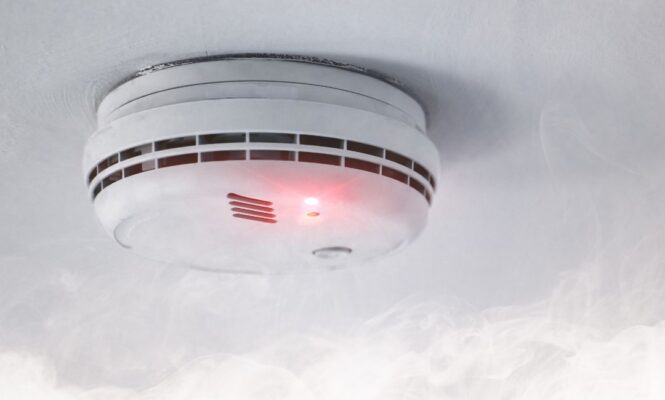
Sometimes the issue isn't the alarm itself, but where it's decided to set up shop. Putting a smoke alarm too close to a bathroom door, directly above the stove, near a dusty HVAC vent, or in an area with high humidity is basically asking for trouble. It's like putting a delicate flower in a hurricane – it’s just not going to thrive.
So, if your alarm is consistently crying wolf due to steam or cooking fumes, a simple relocation might be the answer. Give it some breathing room! It prefers a quieter, less humid existence, thank you very much.
So, the next time your smoke alarm decides to host an unscheduled, ear-splitting concert, remember: it’s probably not just being a pain. It's either highly sensitive to dust, confused by steam, reacting to invisible cooking particles, housing a tiny intruder, begging for a new battery, showing its age, or simply in the wrong spot. Our smoke alarms are quirky, dramatic, and sometimes a little silly, but they're always trying their best to keep us safe. Give them a quick clean, a fresh battery, or a better spot, and you might just have a much calmer, quieter home!