You know that little gadget, the one that looks a bit like a smoke detector but isn't quite? It's your unsung hero, the quiet guardian against an invisible menace: carbon monoxide. But here's the fun part, the domestic puzzle we all face: where exactly do you put this tiny powerhouse?
It’s not as straightforward as it seems. We often tuck these important devices into the nearest outlet, or perhaps a high corner, assuming they’re all the same. Turns out, our silent protector has some very specific preferences, almost like a fussy houseguest with a crucial job.
The Great Bedroom Bureaucracy
Imagine your home at night, everyone tucked in, dreaming sweet dreams. This is precisely when your carbon monoxide detector wants to be closest to the action. It's not about being a peeping tom; it's about being your first line of defense.
Think of it as the ultimate bedtime story, but instead of "Goldilocks and the Three Bears," it’s "The Detector and the Dozing Denizens." Its prime real estate? Near the sleeping areas. Not inside your pillow, of course, but close enough to let you know if anything is amiss while you're catching those precious Zs.
Many folks, in a moment of architectural inspiration, place their detector right at the edge of the kitchen, or perhaps in the laundry room. While well-meaning, that’s a bit like putting your lifeguard in the snack bar. Your detector's true calling is to be a watchful sentinel near where the most vulnerable moments occur: during sleep.
So, take a stroll down your main hallway. If that hallway connects to multiple bedrooms, bingo! That's a fantastic spot. The goal is to hear that chirpy alarm even through the deepest slumber, ensuring everyone wakes up safely.
"It's not just a device; it's a lullaby of safety."
The Hallway Hero
Think of the hallway outside bedrooms as the main street of your home's sleep district. Placing your detector here ensures it's within earshot of everyone behind those bedroom doors. It's like a really thoughtful neighbor who always has your back.
Consider the airflow, too. Carbon monoxide, unlike smoke, doesn't really care about floating up or sinking down; it mixes with the air. So, don't worry about mounting it precisely at ceiling height like a smoke detector. Anywhere from knee-height to eye-level is generally fine, but always check the specific instructions for your model.
What really matters is that it's not tucked away behind a giant bookshelf or a heavy curtain. Our little guardian needs a clear view, or rather, a clear sniff, of the air around it. Give it space to breathe, and it will help you breathe easier too.
The Grand Tour: Every Level Matters
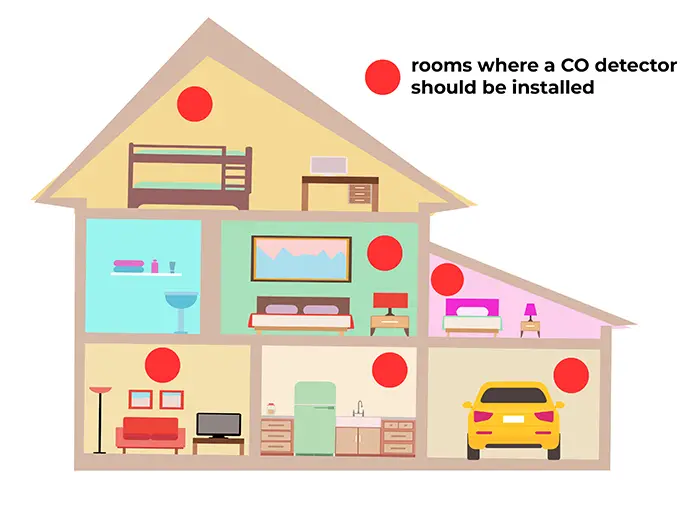
Is your home a sprawling ranch? A cozy two-story? Or perhaps a magnificent three-level marvel? Whatever its grandeur, your carbon monoxide detector wants a ticket to every floor. This isn't about being greedy; it's about comprehensive coverage.
Just because you have one near the downstairs bedrooms doesn't mean the attic bedroom or the basement family room is protected. Carbon monoxide doesn't politely wait for an elevator; it can travel. So, every level of your home should host at least one of these vigilant devices.
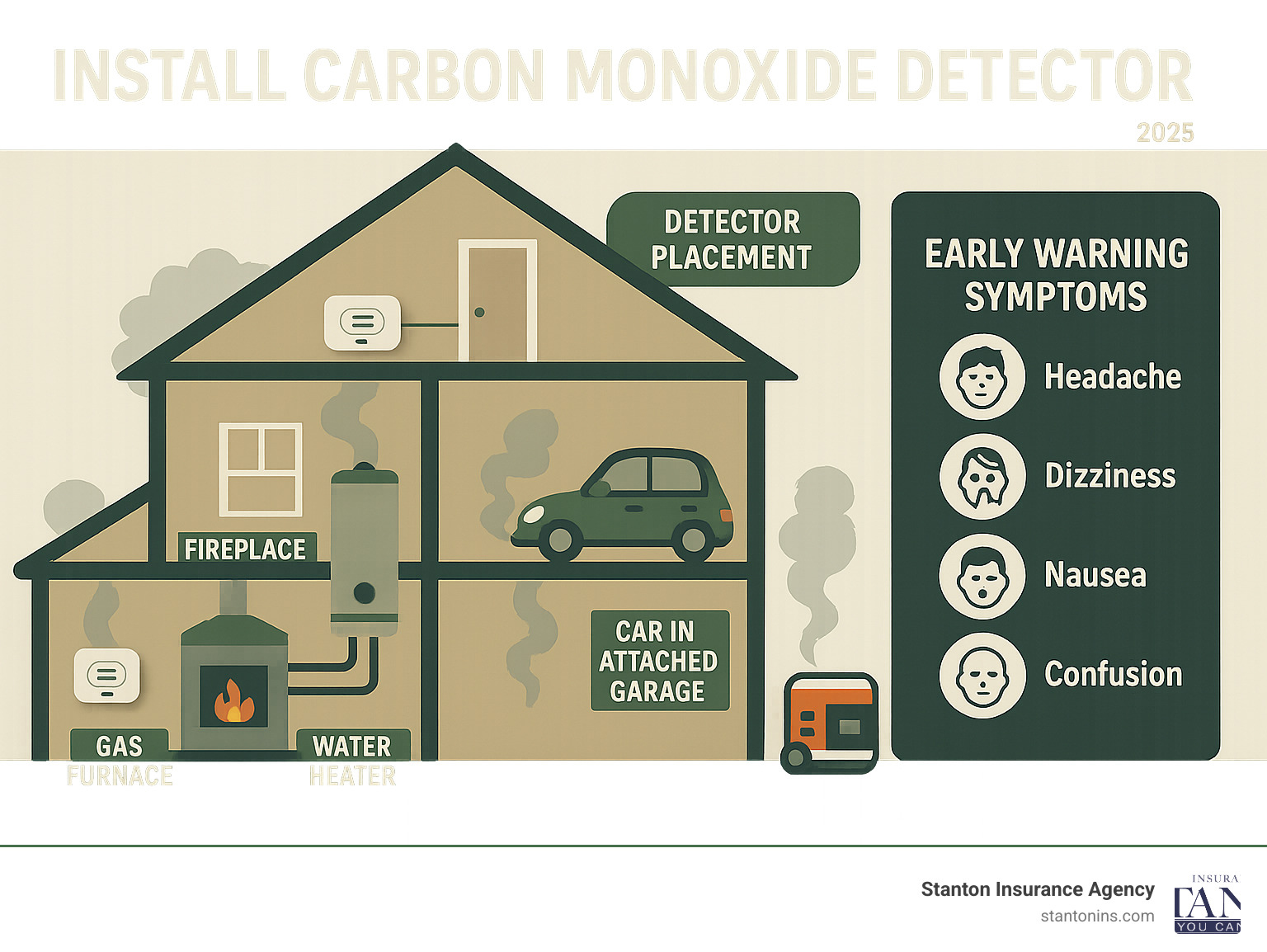
Imagine a tiny, intrepid explorer, ready to stand guard on each floor. One in the basement, perhaps near where the furnace hums its nightly tune. Another on the main floor, perhaps near the family room or kitchen. And, of course, one on the upper floor, dutifully watching over the top-level bedrooms.

It's about creating a perimeter of protection, a safety net woven throughout your entire living space. This might seem like a lot of detectors, but when it comes to the invisible, odorless, and tasteless threat of carbon monoxide, being overly cautious is simply being smart.
"A detector on every floor is like a high-five for peace of mind."
Basement Ballads and Attic Antics
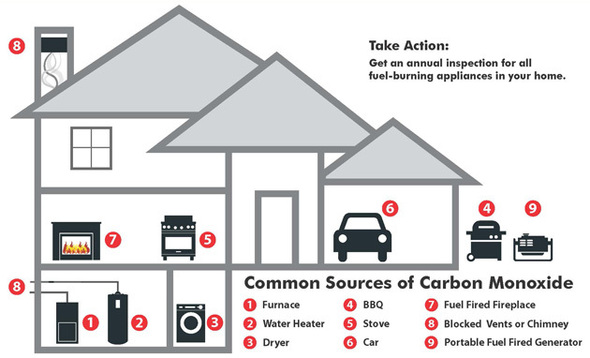
Basements, often home to furnaces, water heaters, and maybe even a cozy man-cave, are prime locations for a detector. These appliances are common sources of CO if something goes wrong. Placing a detector nearby, but not right next to them, is a smart move.
And what about the attic? If you have living space up there, a guest room, or even just storage you frequently access, don't forget it. Carbon monoxide can find its way, and you want its presence known before it becomes a problem.
The key here is redundancy and thoroughness. Don't leave any stone, or rather, any floor, unturned. Each level is a new chapter in your home's safety story, and each chapter needs its own watchful editor.
What NOT to Do (The Comedy of Errors)
Now for the fun part: where not to put your carbon monoxide detector. We've all been there, trying to discreetly hide a functional but not-so-decorative item. But with your CO detector, discretion can be dangerous.
Firstly, resist the urge to tuck it into a dusty corner, behind a towering stack of board games, or nestled deep within a cabinet. Our little guardian needs to be out in the open, breathing the same air you do. It can't protect what it can't sense.
And those drafty windows or air vents? While fresh air is great for you, direct blasts of it can mess with your detector's ability to accurately sample the air. It might dilute potential carbon monoxide or delay its detection, giving you a false sense of security.
Also, avoid placing it directly next to fuel-burning appliances. This might sound counterintuitive, but a detector placed too close to a furnace or stove might trigger nuisance alarms from tiny, harmless puffs of CO during normal operation. Give it a little breathing room, usually at least 5-15 feet away.
"Don't play hide-and-seek with your safety."
The Humorous Misplacements
We've heard stories! The detector placed in the garage "just in case." The one in the bathroom, thinking it's a fancy new air freshener. Or perhaps taped to the ceiling fan, hoping for maximum air circulation (spoiler: it just gets dizzy).

These well-meaning but misguided efforts remind us that while the carbon monoxide detector is serious business, its placement can sometimes lead to humorous domestic tales. The important thing is to learn from these playful blunders and give our detectors the best possible vantage point.
Imagine your detector as a tiny, dedicated librarian, meticulously scanning the air for any unwelcome narratives. It needs good lighting, a clear line of sight, and absolutely no shenanigans from nearby appliances or drafts trying to obscure its view.
The Heartwarming Payoff
At the end of the day, placing your carbon monoxide detector isn't about following a rigid rulebook; it's about expressing a profound sense of care. It’s a quiet declaration of love for your home and everyone in it.
That little device, once a source of head-scratching about where to stick it, transforms into a symbol of peace. It means you can bake cookies, host movie nights, or drift off to sleep knowing an unseen protector is on duty.
It's a small act, easily overlooked, but it builds a foundation of security that lets all the other heartwarming moments of home life truly shine. So, give your carbon monoxide detector its best spot, and let it do its crucial, silent work.
It’s not just about wires and sensors; it’s about the quiet hum of a safe home, the laughter of family, and the restful sleep of loved ones. And that, truly, is worth every thoughtful placement.