
Picture this: It's a crisp evening, you're nestled on the couch, maybe a crackling fire or the cozy hum of your furnace warming the room. Life feels good, right? Our homes are our sanctuaries, places where we unwind, create memories, and feel safe. But sometimes, even in the coziest corners, there can be an invisible, odorless guest that poses a serious threat: carbon monoxide (CO).
Often dubbed the "silent killer," CO is a sneaky little gas because you can't see it, smell it, or taste it. It's truly a master of disguise, making a detector not just a good idea, but a non-negotiable hero in your home. So, let's chat about when you absolutely, positively need one (spoiler alert: it’s probably sooner than you think!).
What's the Deal with CO, Anyway?
Before we dive into the "when," a quick lowdown: Carbon monoxide is produced when fuels burn incompletely. We're talking about things like natural gas, propane, oil, wood, coal, and gasoline. Your trusty furnace, the gas stove you cook on, that charming fireplace – they all have the potential to produce CO if not properly ventilated or maintained. When inhaled, it starves your body of oxygen, and symptoms can mimic the flu, making it incredibly dangerous.
The "When" – Your Home's Co-Pilot Needs a Carbon Monoxide Detector
1. Every Home with Fuel-Burning Appliances
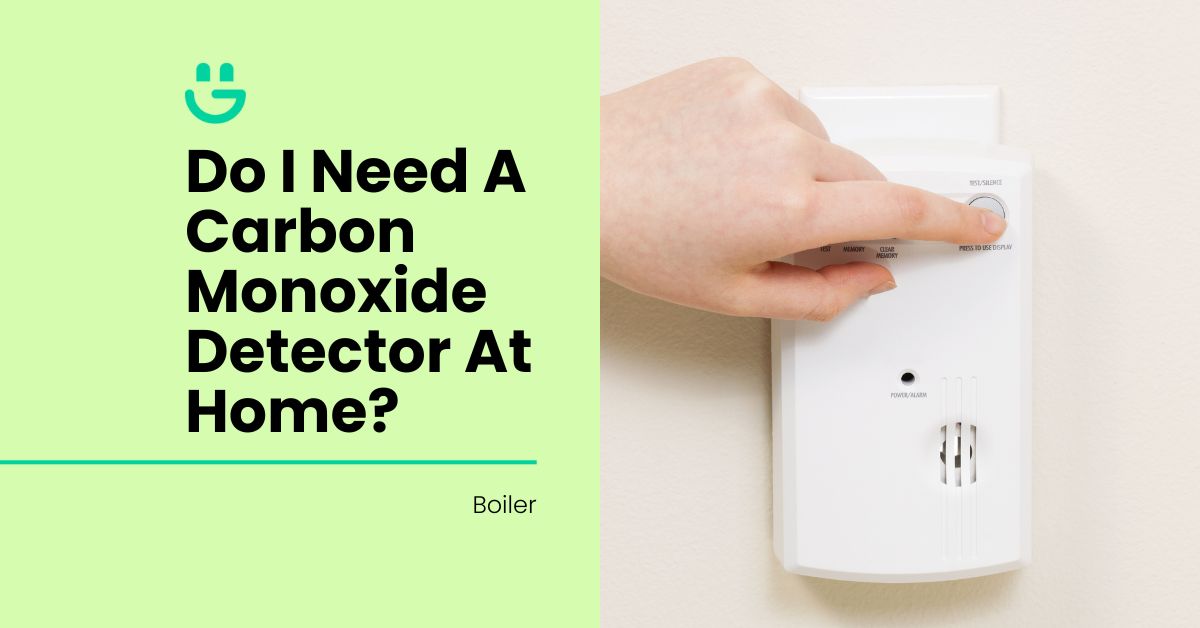
This is the big one. If your home has a gas furnace, a water heater, a gas stove, a fireplace, a wood-burning stove, or even a gas dryer, you need a CO detector. Period. These are the most common sources, and a small malfunction or blocked vent can turn your cozy into risky in a heartbeat.
2. If You Have an Attached Garage
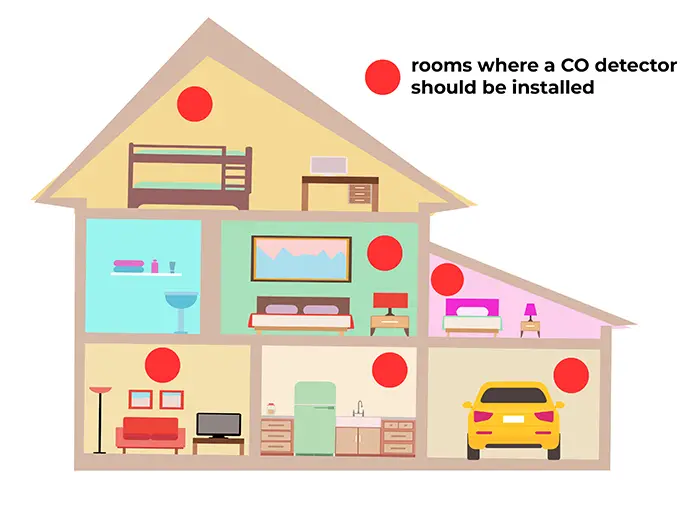
Ever left the car running for "just a minute" while unloading groceries? Or maybe you have a hobby involving small engines? Exhaust from vehicles contains CO, and it can easily seep into your living space, especially with today’s well-sealed, energy-efficient homes. A detector here is like having an extra pair of eyes watching out for you.
3. Anywhere with an Attic or Crawl Space
These hidden areas can sometimes house furnaces or water heaters. If there’s a leak or a problem in these less-frequented spots, CO can accumulate and eventually find its way into your living areas. Don't let out of sight mean out of mind!
4. During Power Outages or Emergencies
When the lights go out, generators often come out. While generators are lifesavers, they produce high levels of CO. Always operate generators outdoors, far away from windows and doors. A CO detector becomes an even more critical guardian during these times, especially if you're using alternative heating or cooking methods indoors (which should ideally be avoided if they're fuel-burning).
5. In RVs, Boats, and Campers
These smaller, more confined spaces are often equipped with propane stoves, heaters, and water heaters. The risk of CO buildup is significantly higher here. Make sure your mobile adventures are safe ones with a dedicated detector. Think of it as essential travel gear, right up there with your toothbrush!
6. On Every Level of Your Home, Especially Near Sleeping Areas
Just like smoke detectors, CO detectors are most effective when placed strategically. Install one on every level of your home, and crucially, within 10-15 feet of each sleeping area. This way, if CO levels rise while you’re asleep, you’ll be alerted promptly. Remember, CO poisoning can make you drowsy and disoriented, so an early warning is key.
Practical Pointers & Fun Facts
- Check the Label: Always look for detectors certified by recognized safety organizations like UL (Underwriters Laboratories) or CSA (Canadian Standards Association).
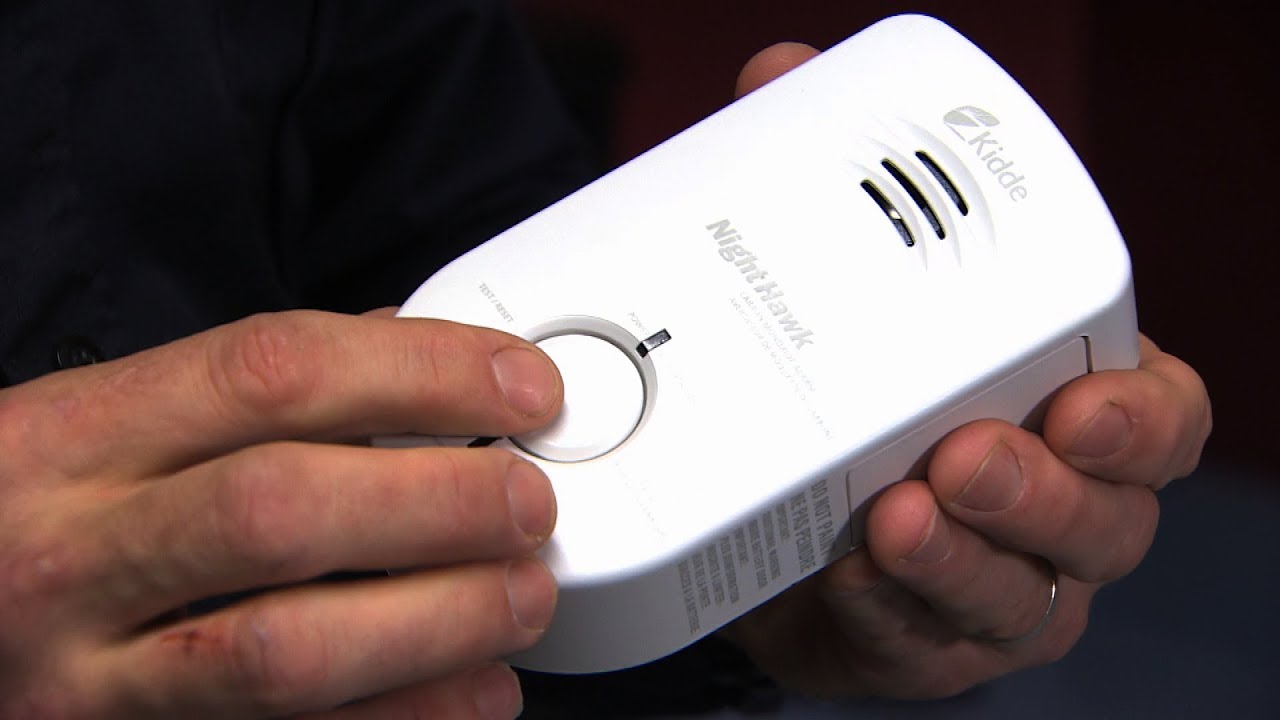
- Test Regularly: Most detectors have a "test" button. Push it monthly, just like your smoke detector, to ensure it’s working.
- Know the Lifespan: CO detectors don't last forever. They typically have a lifespan of 5-7 years, after which their sensors become less reliable. Check the manufacturer's date and replace it when due! It's a small investment for massive peace of mind.
- Different Types: You can find battery-operated, plug-in, and hardwired options, often with digital displays that show CO levels. Choose what best fits your home and preferences.
Think of your CO detector as your home's unsung superhero – always on patrol, silent but ready to alert you to danger. It's like having a tiny, vigilant bodyguard for your family, without the fancy suit or the hefty salary.
The Bottom Line: Peace of Mind is Priceless
In our bustling lives, we often focus on the tangible, the visible improvements to our homes. But true home wellness extends to the unseen, to safeguarding against hazards you can't spot with the naked eye. Installing a carbon monoxide detector isn't about being paranoid; it's about being proactive. It's about ensuring that your sanctuary remains just that – a safe, healthy space for you and your loved ones to thrive.
So, take a moment. Look around your home. Do you have one? If not, a quick trip to the hardware store or an online order could be the most important thing you do this week. Because the best kind of cozy is a safe cozy.