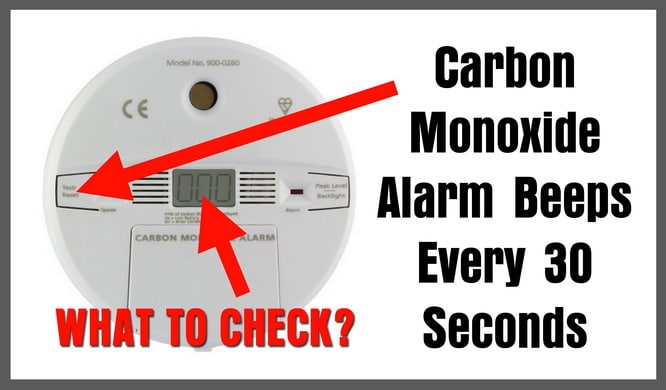
There's a curious buzz in creative circles lately, a wonderfully whimsical approach to art-making that’s shaking up routines and sparking joy. It's affectionately known as "What To Do If Carbon Monoxide Detector Beeps," and no, we're not talking about household emergencies – though it does involve a healthy dose of immediate action! This delightful practice reimagines that sudden, jarring sound as the ultimate creative prompt, a call to drop everything and respond with an burst of artistic energy. It's becoming surprisingly popular for its ability to cut through procrastination and inject a jolt of spontaneity into our lives, turning potential panic into pure creative play.
So, what exactly are the benefits of this wonderfully weird approach for artists, hobbyists, and casual learners alike? Firstly, it’s an incredible tool for busting creative blocks. When that metaphorical "beep" goes off, you don't have time to overthink or second-guess; you just create. This immediate, unadulterated response taps into a primal creative flow, bypassing the inner critic. Secondly, it cultivates resourcefulness and speed. You learn to make the most of whatever materials are at hand, transforming everyday objects or fleeting thoughts into art. It’s a fantastic exercise in embracing imperfection and finding beauty in the unexpected, proving that not every masterpiece needs weeks of planning. For the casual learner, it’s a low-pressure way to dip your toes into various creative mediums, discovering hidden talents you never knew you had.
The variations in how people interpret "What To Do If Carbon Monoxide Detector Beeps" are as diverse as the creative minds attempting it. Some artists use the "beep" as a signal for a quick-draw sketch, capturing the first thing they see or feel in under a minute. Others turn to flash fiction, writing a spontaneous paragraph or a three-line poem that starts with the feeling of interruption. Musicians might improvise a short, discordant melody or a beat sequence that mimics the urgency. We’ve seen incredible examples of people re-arranging objects on their desk into a miniature sculpture, or even performing a sudden, interpretive dance move right where they stand. The key is the immediacy and the willingness to just react.
Ready to try this wonderfully liberating challenge at home? Here are a few tips to get started. First, ditch the actual CO detector and instead, use a random timer or a sound generator app to create your "beep." Set it to go off at unexpected intervals throughout your day. Second, have a designated "beep kit" ready: a small notebook and pen, a tiny set of watercolors, or even just your phone's camera. Third, and most importantly, commit to immediate action. When the "beep" sounds, stop what you’re doing and create something in response within a strict time limit – say, 60 seconds or two minutes. Don't censor yourself; the weirder, the better! The goal isn't perfection, but presence and spontaneous expression.
Ultimately, "What To Do If Carbon Monoxide Detector Beeps" is so enjoyable because it’s a delightful rebellion against routine. It reminds us that creativity isn't confined to a studio or a schedule; it can erupt anywhere, anytime. It’s about finding the humor and inspiration in disruption, embracing the unexpected, and discovering the sheer, unadulterated joy of making something purely for the sake of making it. So, next time you hear a metaphorical "beep" in your life, remember: it might just be your muse calling!