Alright, confession time. I once spent a solid five minutes squinting at what I thought was a fancy new smart thermostat in a friend's house, trying to figure out how to dim the lights. Turns out, it was just their ridiculously sleek digital alarm clock. Seriously. My brain had just decided, "Ah, techy wall thing! Must be smart home!" You know the drill, right? We see something, our brains make a quick assumption, and sometimes... we're just a little bit off.
And that, my friends, is exactly why we need to talk about carbon monoxide (CO) detectors. Because while we're all pretty good at spotting a smoke detector – those iconic round discs usually chilling on the ceiling – CO detectors can be a bit more of a chameleon. They're like the underrated, often-misunderstood heroes of home safety. They don't make a fuss, they just silently, vigilantly do their thing, protecting us from an invisible, odorless killer. But first, you gotta know what they look like to make sure you actually have them!
The Standalone Star: Plug-in and Proud
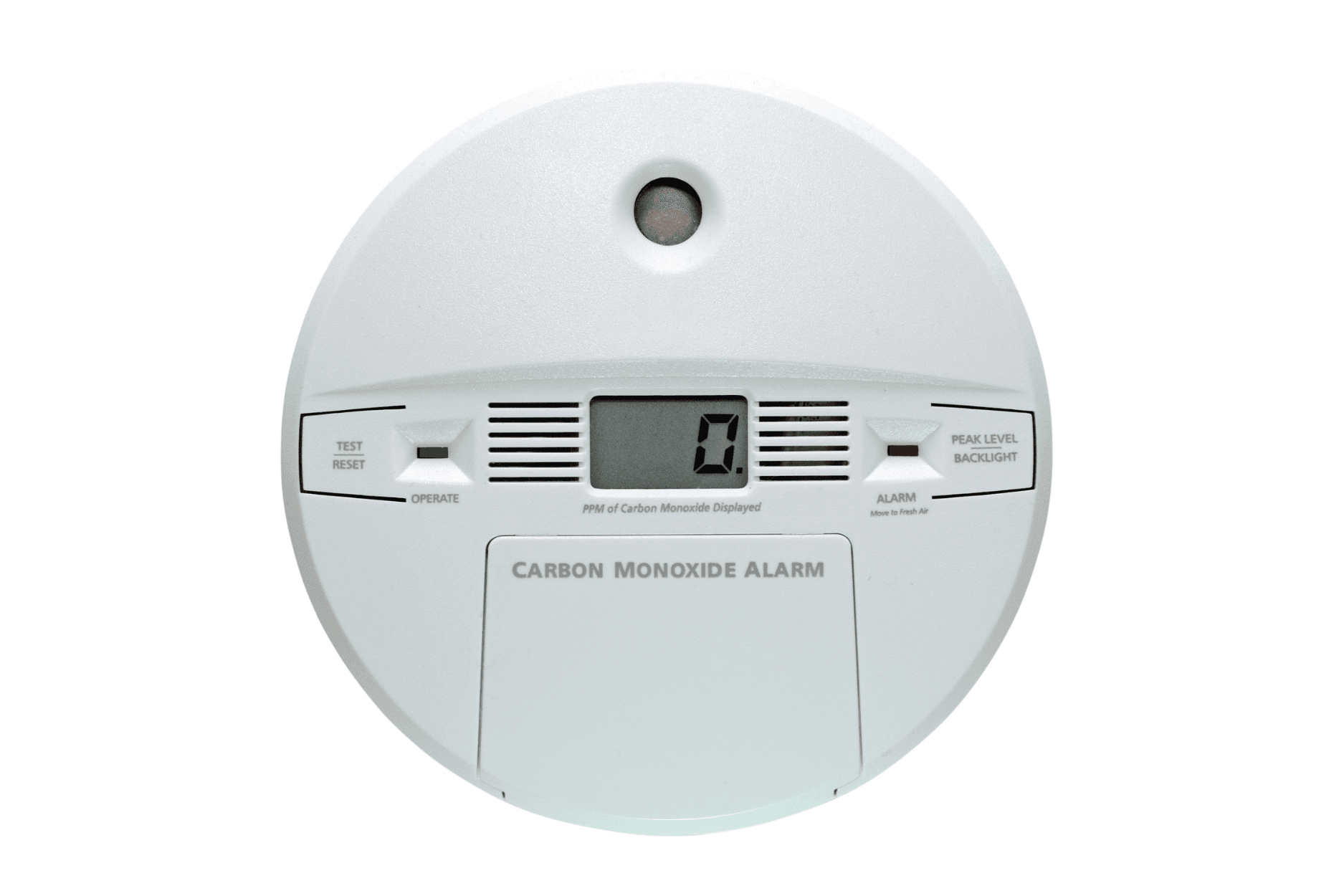
Let's start with the most common visual: the dedicated carbon monoxide detector. These guys often look like a small, unassuming plastic box, usually in an off-white or light grey color. You'll typically find them plugged directly into a wall outlet, much like a nightlight or a phone charger brick. So, next time you're scanning your outlets, look for something that's:
- Rectangular or square-ish: Think about the size of a deck of cards, maybe a little thicker.
- Sporting a digital display: This is a big one! Many standalone CO detectors have a small LED screen that will display "0" (meaning no CO detected) or, if you're unlucky, a number indicating parts per million (PPM) of CO. This is your direct line of sight into danger levels!
- Equipped with a "Test/Reset" button: All safety detectors worth their salt have one. Press it (gently!) every month or so to make sure the alarm sounds.
- Flashes of light: You might see a small green light to indicate power, and a red light if it's alarming.
Think of it as the quiet, unassuming hero of your household. It's not trying to impress you; it's just trying to keep you safe.
The Combo Kings: Smoke + CO Together
This is where things get a little tricky, isn't it? Nowadays, many homes opt for combination smoke and carbon monoxide detectors. And guess what? They often look exactly like your standard smoke detector. That classic round, often white or off-white disc, usually mounted on the ceiling or high on a wall. So how do you tell the difference?
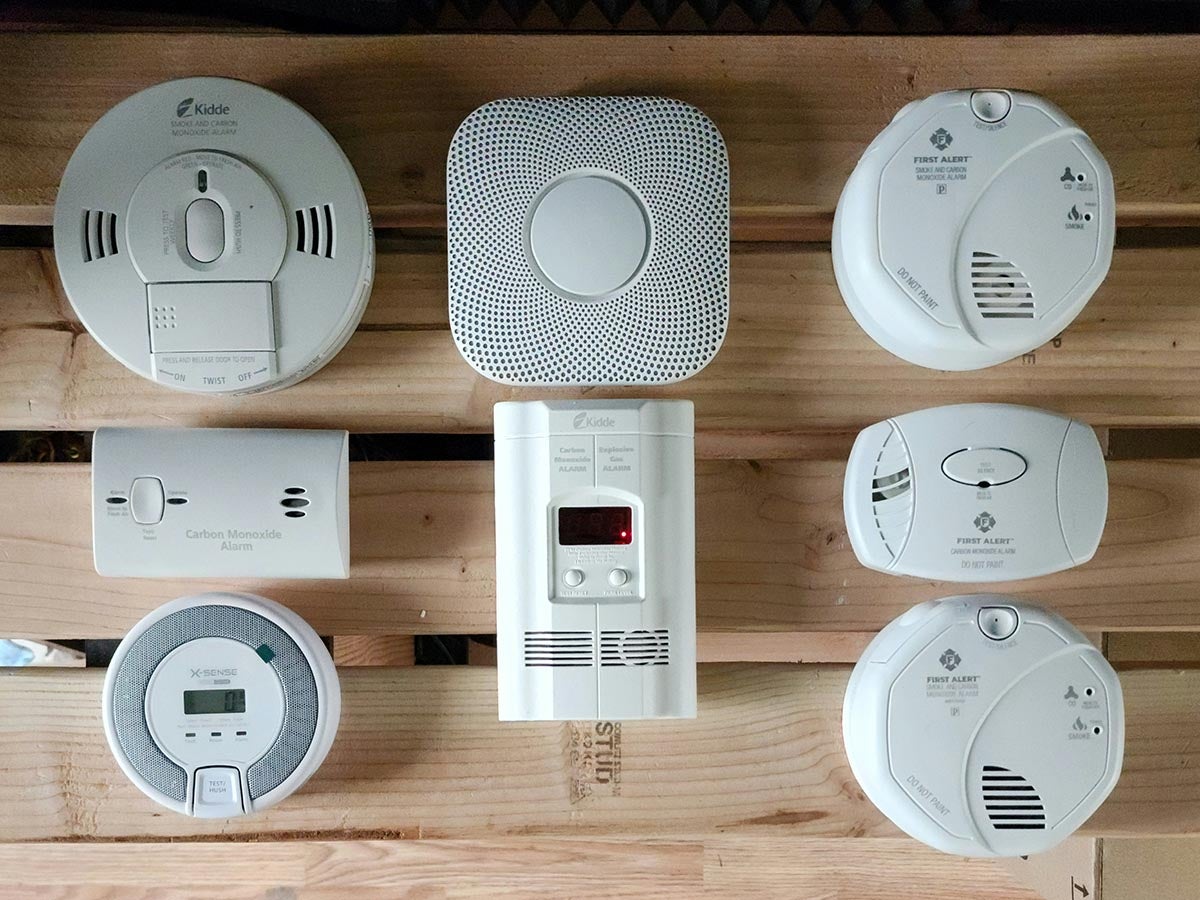
- Read the Label: Seriously, folks, this is your number one tool. Get on a step stool (safely, please!) and read the text on the detector itself. It will clearly state "Smoke & Carbon Monoxide Alarm" or "Dual Sensor Smoke and CO Alarm" if it's a combo unit. If it only says "Smoke Alarm," well, then it's just a smoke alarm.
- Look for Two Distinct Sensors: Sometimes, you can visually discern two different sensing areas or vents on the detector's casing, hinting at its dual functionality.
- Check for a Digital Readout: Less common in ceiling-mounted combo units, but some do have a display that cycles between "SMOKE" and "CO" or shows levels.
It’s all about doing a little detective work, isn’t it? Don't just assume that round thing on your ceiling is doing double duty until you've confirmed it.
Where Do These Stealthy Saviors Hang Out?
Unlike smoke detectors, which need to be high up because smoke rises, carbon monoxide mixes with the air. This means CO detectors can be placed at different heights. You'll often find them:

- Plugged into wall outlets: As mentioned, this is super common for dedicated units.
- Mounted on walls: Often at eye level or higher, but not necessarily on the ceiling.
- Near bedrooms: Definitely a must!
- Close to fuel-burning appliances: Furnaces, water heaters, fireplaces, gas stoves – anywhere CO could potentially be produced.
The key takeaway here is: if you don't see that familiar round disc on the ceiling, don't despair! Your CO detector might just be quietly doing its job from a wall outlet near the floor. Or, you might need to go grab one from the store. Just sayin'.
Your Best Friend: The Label (And The Beep!)
Ultimately, the most important thing to remember is to check the labeling on any detector you find. If it doesn't explicitly mention "carbon monoxide," assume it's not detecting it. And please, please, please: press that test button regularly! A quick beep check confirms it's alive and kicking. Also, remember that these devices have an expiry date, usually 5-7 years. There's a small sticker on the back or side that tells you when it's time to replace it. Because replacing them before they chirp mournfully at 3 AM is always a good plan, right?
So, there you have it. From the unassuming plug-in box with its glowing digital numbers to the stealthy combo unit that looks just like its smokey cousin, carbon monoxide detectors come in a few flavors. Now that you know what to look for, take a quick tour of your home. Make sure you're covered! Because when it comes to peace of mind and, you know, actual breathing, it's worth it.