
Okay, let's talk about the Ruger LCP II in .22LR. It's small, it's cute (in a utilitarian way, like a well-designed Swiss Army knife), and it's chambered in everyone's favorite plinking round. But, like that quirky friend who always seems to have a slight problem, the LCP II .22LR isn't without its foibles. We’re going to dive into some of the common hiccups you might encounter and, more importantly, how to navigate them.
The "Oh, Come On!" Feeding Issues
Let’s face it: the biggest complaint swirling around this little pistol is its, shall we say, selective appetite. Some LCP II .22LR owners report experiencing frequent failures to feed, where the cartridge doesn't quite make it into the chamber properly. This can be frustrating, especially if you're picturing yourself as James Bond, calmly dispatching foes with a perfectly reliable pocket pistol.
The Culprit: Often, it comes down to ammunition. Not all .22LR is created equal. Some brands are simply more reliable in semi-automatic pistols than others. Think of it like dating – some personalities just mesh better.
The Fix: Experiment! Try different brands and grain weights of .22LR ammunition. High-velocity rounds tend to work better in semi-automatic pistols, providing the necessary oomph to cycle the action reliably. CCI Mini-Mags are a popular go-to. Also, make sure you are using copper-plated rounds. Avoid lead rounds in semi-automatic pistols.
Practical Tip: Keep a detailed log of what ammo works best in your LCP II. Every gun is a little different, with its own personality.
Magazine Matters
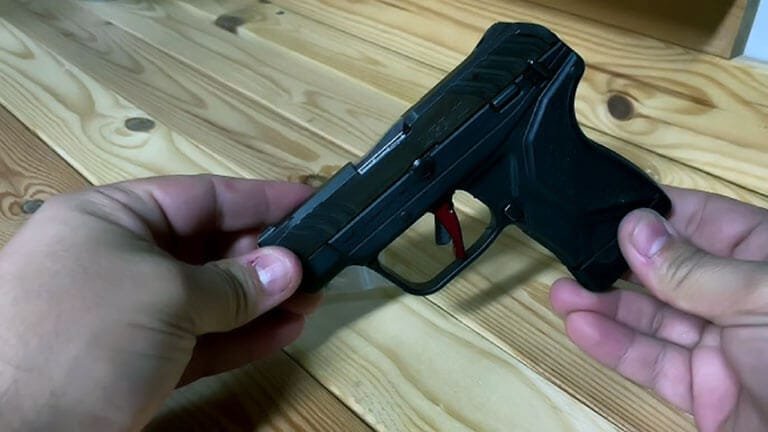
The magazine is the unsung hero (or villain) of any semi-automatic firearm. With the LCP II .22LR, the magazine can sometimes contribute to feeding issues. Weak magazine springs or dirty followers can cause the rounds to not present correctly.
The Solution: Regularly clean your magazines. Disassemble them (carefully!) and use a brush to remove any debris. You can also lightly lubricate the follower with a dry lubricant. Avoid over-lubricating, as this can attract more dirt.
Another Tip: Some owners have reported that loading the magazine to its full capacity can cause issues. Try loading one or two rounds less to see if it improves reliability.

The Slide Stop Blues
Another common complaint is the slide not locking back after the last round. This can be annoying, as it prevents you from quickly reloading. It's like when your phone doesn’t auto-rotate – a minor annoyance that builds into a major one.
The Cause: Often this is due to the shooter's grip. If your thumb is riding too high on the slide stop lever, it can prevent it from engaging properly. A build up of gunk and carbon can also cause this issue.
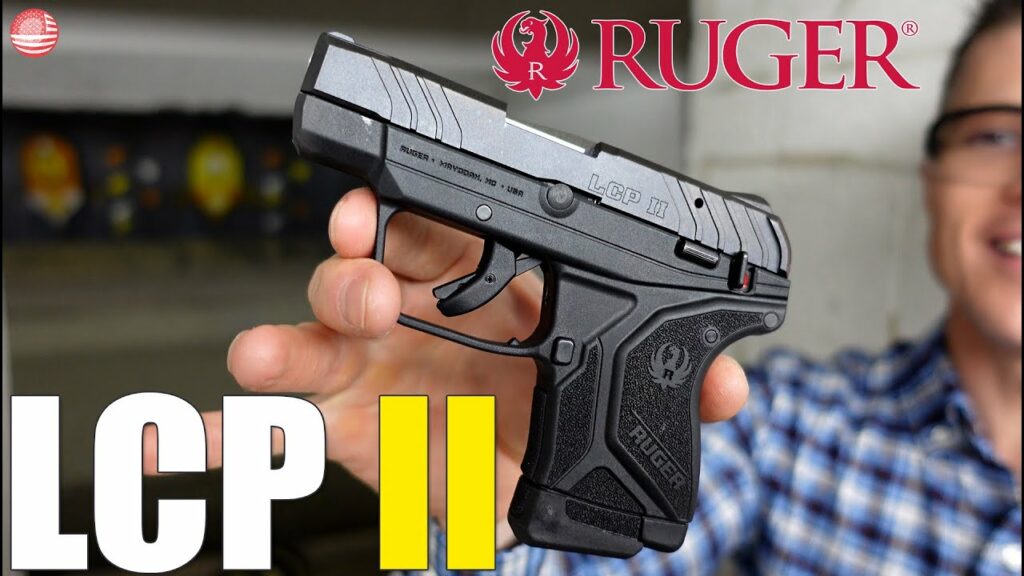
The Answer: Adjust your grip! Make sure your thumb isn't interfering with the slide stop. Clean the area around the slide stop lever often.
Breaking It In
Many semi-automatic pistols, including the LCP II .22LR, benefit from a "break-in" period. This means that the gun will function more reliably after it has been fired a few hundred times.
The Process: Just go to the range and shoot! Focus on using quality ammunition and maintaining a firm grip. Clean and lubricate your pistol after each range session.
A Little Analogy: Think of it like a new pair of shoes. They might be a little stiff and uncomfortable at first, but after you wear them for a while, they mold to your feet and become much more comfortable.
A Final Thought
The Ruger LCP II .22LR isn't perfect, but it's a small, lightweight pistol that can be a lot of fun to shoot. By understanding its potential problems and taking the necessary steps to mitigate them, you can enjoy this little gun to its fullest. The key is patience, experimentation, and a good understanding of how your firearm functions.
And let’s be honest, sometimes life is like that too. Things don't always work perfectly the first time. But with a little troubleshooting and a willingness to learn, we can overcome the hiccups and appreciate the good things – like a well-placed shot at the range, or a sunset after a long day.