
You know the drill. You’re chilling, minding your own business, maybe enjoying a quiet afternoon. Suddenly, that shrill, piercing shriek erupts from your ceiling! Your smoke alarm is having a total meltdown. But there’s no fire! No smoke! Just... pure, unadulterated panic for zero discernible reason. Ugh!
The Drama Queen of Your Ceiling
It’s a universal experience, right? That moment when your smoke alarm decides to throw a surprise concert, and the only audience is your rapidly beating heart. It’s the ultimate home gadget that loves to cry wolf. But here's a secret: it’s rarely for "no reason." It's just that the reason is often tiny, hilarious, or totally bizarre.
Sensor Shenanigans: How They Really Work (Kinda!)
Ever wonder what makes these little guys tick? There are two main types, and knowing this is a total game-changer for understanding their drama. We’ve got ionization alarms and photoelectric alarms. Ionization alarms are super sensitive to invisible combustion particles. Think of them as the alarm with a super-powered nose for tiny, invisible bad vibes. Photoelectric alarms, on the other hand, are better at sniffing out visible smoke from smoldering fires.
The kicker? Those super-sensitive ionization alarms are often the ones mistaking your Tuesday night dinner for a five-alarm blaze. They're quick, but sometimes a little too eager. Talk about an overachiever!
Dust Bunnies & Tiny Invaders: The Sneaky Saboteurs
Let’s talk dust. Yes, those fuzzy little floor surfers eventually float up and get trapped inside your alarm. The alarm sees these dust particles as smoke! It’s like a tiny rave happening inside, confusing the sensors. And wait, there’s more! Spiders and other small insects absolutely love to crawl into those little openings. Imagine a spider building a web right across the sensor beam. instant party time! Your alarm thinks it's a smoky disco, not a creepy crawly condo.
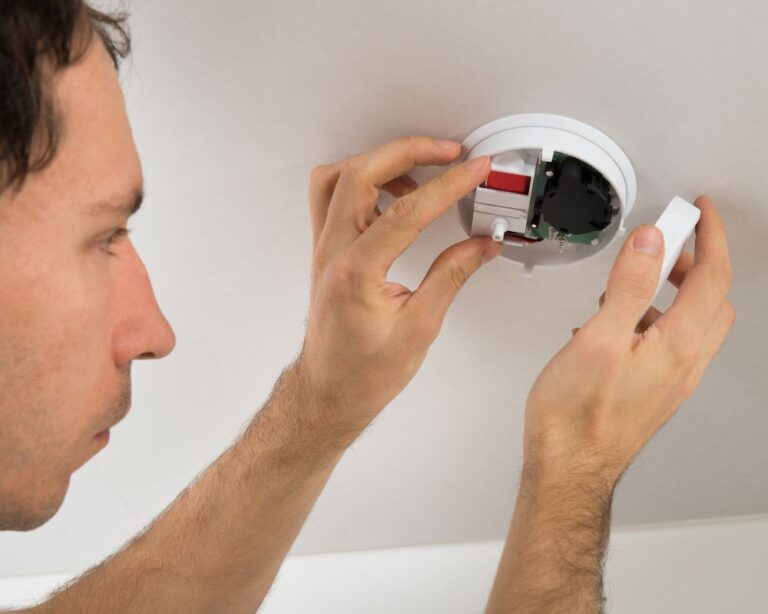
This is probably the number one culprit for "no reason" alarms. A quick, gentle vacuuming or a blast of compressed air can be your best friend here. Give your alarm a good clean, folks!
Steam Dreams & Shower Screams: The Humidity Hurdle
Ever had your alarm go off when you step out of a steamy shower? Or after boiling a big pot of pasta? Yep, that’s humidity for you! Especially those sensitive ionization alarms, they can get confused by the water vapor particles. They think it's smoke! It's like your alarm is saying, "Whoa, what's all this atmospheric disturbance?!"
This is why you should never install a smoke alarm too close to a bathroom or in a laundry room. Unless you want a regular, unscheduled morning wake-up call, of course. Keep them out of the direct line of steam and condensation. Your eardrums will thank you.
Cooking Chaos (Even the Good Kind!)
Okay, so you’re not burning anything. You’re just, you know, cooking. Frying up some bacon? Toasted your bagel a little dark? Making popcorn that's just a tad overdone? Guess what? Those tiny airborne grease particles, or even the microscopic bits from slightly burnt food, can trigger your alarm. Your alarm isn't judging your cooking skills; it's just doing its job, albeit a little too enthusiastically sometimes.

This is another big reason why alarms near kitchens are usually a bad idea. Consider a heat detector for the kitchen instead, which responds to temperature changes, not smoke particles. Genius!
The Low Battery Lullaby vs. Full-On Fury
Let's clear this up: there’s a distinct difference between the "low battery chirp" and the "OH MY GOSH WE ARE ALL GOING TO DIE" alarm. The low battery chirp is usually a single, intermittent beep – often in the middle of the night, because that's when ghosts of dead batteries like to make their presence known. The full alarm is a continuous, ear-splitting siren. If you hear the chirp, don't panic. Just change the battery! If it’s the siren, well, maybe still check for fire, but also consider the other crazy culprits we're discussing.
It's amazing how many people mistake the chirps for full alarms and get totally freaked out. It's just your alarm asking for a snack, a power snack.

Location, Location, Location: Where NOT to Hang Out
We’ve touched on it, but let’s hit it home: where your alarm lives matters! Avoid placing them near windows, doors, or air vents where drafts can interfere with the sensor. Also, anywhere with extreme temperature fluctuations is a no-go. Think about it: a sudden blast of hot or cold air could mess with its delicate internal balance. It's like putting your alarm in a wind tunnel and expecting it to stay calm. Not happening!
The best spots are hallways, outside bedrooms, and on every level of your home. Give them some space!
Aging Alarms: They Get Grumpy Too!
Did you know smoke alarms have an expiration date? It's usually 10 years from the date of manufacture (check the back!). Over time, the components inside can degrade, making them less reliable and, paradoxically, more prone to false alarms. It’s like an old dog that barks at everything. They just get a bit sensitive in their old age!

If your alarm is a decade old, it's time for a replacement. Think of it as retiring your old guardian and bringing in a fresh, bright-eyed rookie. It’s an easy, inexpensive upgrade for peace of mind!
Giving Your Alarm a Spa Day: Quick Fixes!
So, what can you do when your alarm goes bonkers for "no reason"?
- Clean it! A vacuum or compressed air can work wonders.
- Change the battery! Even if you think it's not the battery, try it.
- Relocate it! If it’s too close to a bathroom or kitchen, move it.
- Press the "Hush" or "Test/Reset" button! This often silences it temporarily and sometimes resets it from a false alarm. It's like hitting the snooze button on an incredibly annoying alarm clock.
- Replace it! If it’s old or constantly acting up, it’s probably time.
So, Why Bother With the Drama?
Despite all their theatrical tendencies and midnight serenades, smoke alarms are truly lifesavers. They give you those crucial seconds to escape a real fire. It’s annoying when they go off for a dusty spider party, sure, but it’s a small price to pay for the incredible job they do when it truly matters. They're like that overly cautious friend who always checks if you locked the door, even if it's annoying, you appreciate it.
So, next time your smoke alarm decides to audition for "The Voice," remember: there's probably a quirky reason behind its diva behavior. And armed with this knowledge, you can usually figure out what's bugging it. Happy (and hopefully quieter) living!