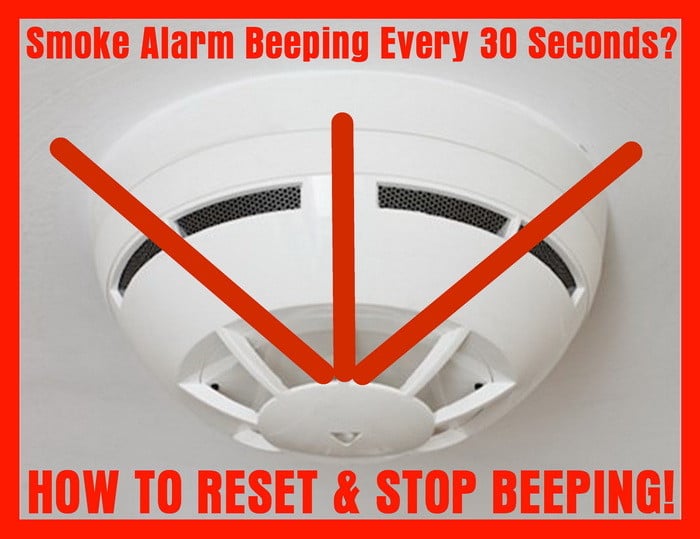
You know that sound, right? That mysterious, insistent chirp, chirp, chirp that seems to echo through the house, often in the dead of night, leaving you wondering if a tiny bird has somehow nested in your ceiling or if your house is slowly coming alive with a rhythmic hiccup. For many of us, this is our First Alert smoke detector (or any smoke detector, really) letting us know something. It's a sound that's both a minor annoyance and a crucial reminder, and honestly, it’s quite fun to unravel its little mystery!
Far from just a random noise generator, your smoke detector is a true silent guardian, a vigilant sentry in your home. Its primary purpose is incredibly straightforward yet profoundly vital: to detect smoke and potential fires, providing an early warning system that can mean the difference between a close call and a devastating tragedy. These devices sense particles in the air – either through ionization technology (detecting invisible combustion products) or photoelectric technology (sensing visible smoke particles). When smoke is detected, they emit a loud, unmistakable alarm, giving you and your family precious moments to escape. But what about the intermittent beeping? That’s its own unique language, often signaling something less urgent but equally important.
In our daily lives, smoke detectors are constant protectors. They're silently on duty in homes, apartments, schools, and offices, keeping a watchful eye even when we're asleep or preoccupied. In an educational context, understanding your smoke detector can be a fantastic way to teach fire safety. Children learn what the loud alarm means and the crucial steps to take during a fire drill. For adults, it’s a lesson in basic home maintenance and understanding the technology that safeguards our families. It prompts us to think about emergency plans, ensuring everyone knows two ways out of every room and has a designated meeting spot outside.
So, when your First Alert detector starts its rhythmic chirping, don't just ignore it or wish it away. See it as an invitation for a little detective work! Here are some simple ways to explore what it's trying to tell you:
- The Low Battery Chirp: This is by far the most common culprit. A single, short chirp every 30 to 60 seconds almost always means it’s time for a new battery. Most detectors use 9-volt batteries, though some might use AA or AAA. This isn’t a suggestion; it's a demand. You should change batteries immediately.
- End-of-Life Warning: Smoke detectors aren't meant to last forever. Most manufacturers, including First Alert, recommend replacing your entire unit every 10 years. An older unit might start chirping intermittently even with a fresh battery, signaling it's time for retirement. Check the manufacture date on the back!
- Dust Bunnies: Sometimes, dust or small insects can get into the sensing chamber, causing false alarms or erratic chirping. Gently vacuum around the detector or use a can of compressed air to clean it out.
- Test It Regularly: Once you’ve changed the battery or cleaned it, press the "Test" button. This ensures the alarm mechanism is working properly. Make this a monthly habit!
- Locate and Learn: Take a moment to find all the smoke detectors in your home. Read their specific manuals if you still have them. Understanding your particular model can give you tailored insights into its beeps and what to do.
Embrace the chirp, solve the mystery, and ensure your home's silent guardian is always ready to shout for real when it truly matters. It's a small effort for enormous peace of mind.