
Ever found yourself staring up at that little disc on the ceiling, ears ringing from a phantom chirp or a misplaced cooking adventure, and thought, "How on earth do I just make it stop?!" You're not alone! There’s something universally relatable about that moment of mild panic mixed with sheer curiosity about our trusty (and sometimes too vigilant) fire alarms. It’s a bit like wondering what makes a magician’s trick work, isn't it? We know there’s a secret, but it’s kept pretty much under wraps for a very good reason.
Let's dive into the fascinating world of fire alarms, not to learn how to silence them (because, you know, safety first!), but to explore why they’re designed the way they are and what makes them such stubborn little sentinels. It’s actually pretty cool when you think about it!
The Great Fire Alarm Mystery: Why So Un-Unplug-able?
You might look at a fire alarm and think, "Surely there's a simple off switch or a plug, right?" But nope, it’s rarely that straightforward. And that’s by design! Imagine if it were as easy to unplug as your toaster. We'd probably be taking them down for painting, during a loud party, or just because that tiny red light is a bit distracting. And while those reasons might seem valid in the moment, they completely defeat the purpose of having a device whose sole job is to protect you, 24/7, without fail.
Think of your fire alarm like a tiny, ever-vigilant guardian angel glued to your ceiling. It’s got a very serious job, and it takes that job incredibly seriously. Its design is a testament to serious engineering and safety regulations. These aren't just decorative wall fixtures; they're life-saving equipment, designed to be tamper-resistant and always-on.
More Than Just a Button: The Power Beneath the Plastic
Most modern fire alarms, especially those in newer homes, aren’t just running on a single battery. Many are hardwired into your home's electrical system, often with a battery backup. This dual power source is like having a superhero with both super strength and an emergency energy bar – they’re always ready! This setup ensures they keep working even during a power outage, which is a pretty crucial feature when you think about it.

And even the battery-only ones are often designed to be somewhat of a puzzle. You usually need to twist, turn, or unclip them from a base plate to get to the battery compartment. It’s not like popping open a TV remote. This intentional 'fussiness' isn't there to annoy you; it’s a subtle nudge to make sure you're being deliberate and thinking about what you're doing. It’s a gentle reminder of the device's critical function.
The Chirp, The Shriek, and The Solution (The Right Way!)
We’ve all been there: that incessant, annoying chirp that starts at 3 AM. It’s almost always a low battery warning. Your alarm isn't malfunctioning; it's doing its job by politely (or not so politely) telling you it needs a fresh power source. And honestly, it’s one of the few times you’ll really need to interact with it, beyond testing it monthly.
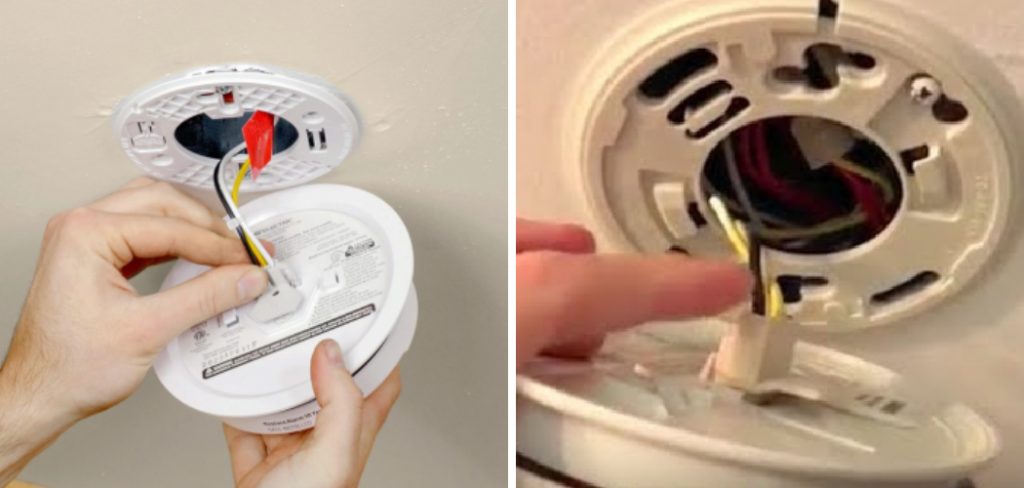
Instead of wondering how to 'unplug' it, the cool thing is knowing how to properly maintain it. Swapping out those batteries is typically a quick job once you get the hang of twisting the alarm off its base. And for hardwired units, if you're ever doing electrical work that requires disconnecting them, it's always best practice to flip the breaker off at your main panel first. But for everyday chirps? It’s usually just a battery swap.
Why Their Stubbornness is Actually Awesome
It’s easy to get frustrated with a blaring alarm when you've just burnt the toast. But take a moment to appreciate its steadfastness. That difficulty in simply "unplugging" or silencing it at will is what makes it so effective when it truly matters. It’s designed to be heard, to demand attention, and to persist. It's built to be resilient, just like a trusty watch that keeps ticking even when dropped.
So, the next time you look up at that little detector on your ceiling, instead of pondering how to make it disappear, maybe give a little nod of appreciation. It's a small, unassuming piece of technology, but it’s packed with purpose and designed with your safety as its absolute top priority. It’s not meant to be easily "unplugged" because it’s meant to be your ever-vigilant, incredibly important first line of defense. And that, in itself, is pretty fascinating!