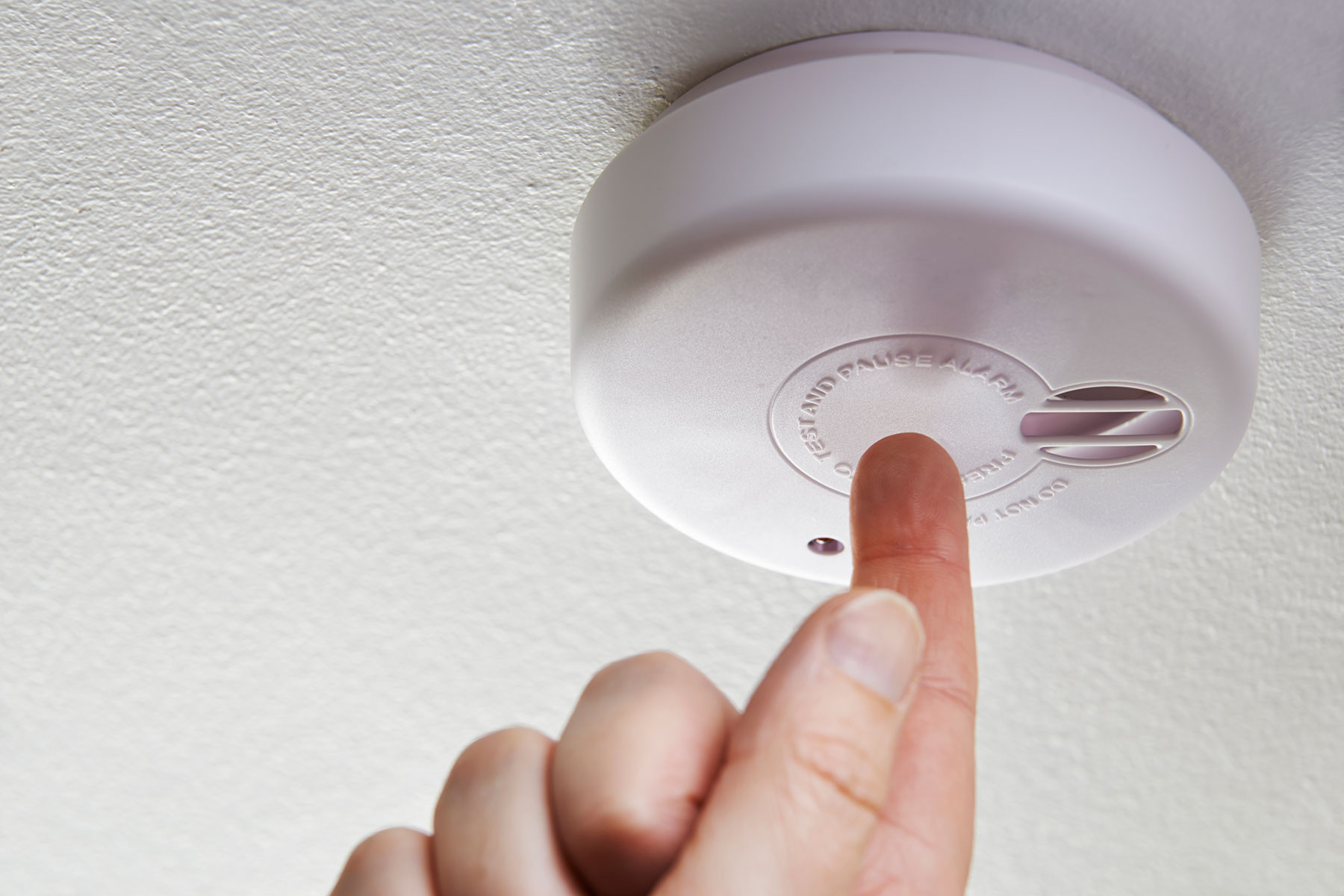
Ever been peacefully engrossed in your favorite show, only to be jolted by that infamous, incessant chirp? You know the one. The tiny, persistent cry of a smoke alarm with a dying battery, echoing through your entire home like a distressed cricketsong amplified by a thousand. Or maybe you just made some really enthusiastic toast, and now your smoke alarm thinks your kitchen is on fire. (It's not, we promise!)
Whatever the reason, there comes a time in every homeowner or renter's life when they need to address that little white disc on the ceiling. And guess what? Removing a smoke alarm isn't some mystical, advanced electrical engineering feat. It's actually a pretty cool, surprisingly simple bit of DIY that can make you feel like a total home maintenance superhero. Let’s unravel the mystery, shall we?
Why Bother Removing It Anyway?
Beyond the obvious "low battery beep" scenario, there are actually a few good reasons you might want to temporarily (or permanently) detach your ceiling sentinel.
- The Dreaded Chirp: The most common culprit. A new battery is often all it needs, but you have to get it down first!
- Accidental Triggers: Burnt popcorn? A steamy shower? Sometimes these little guardians are a bit overzealous.
- Replacement Time: Smoke alarms have a lifespan, usually around 8-10 years. Old ones become less reliable, so upgrading is super important for safety.
- Painting & Renovating: Don't want paint splatters on your alarm? Best to take it down.
- Cleaning: Dust can sometimes accumulate inside, leading to false alarms. A quick clean can do wonders.
See? It’s not just about silencing an annoying noise; it’s about maintaining your home and ensuring your safety. Pretty neat, right?
Your Ceiling Friend: Battery-Only or Hardwired?
Before you embark on your removal mission, it’s good to know what kind of smoke alarm you're dealing with. Think of it like identifying a secret agent – you need to know their capabilities!
Most homes have one of two types:
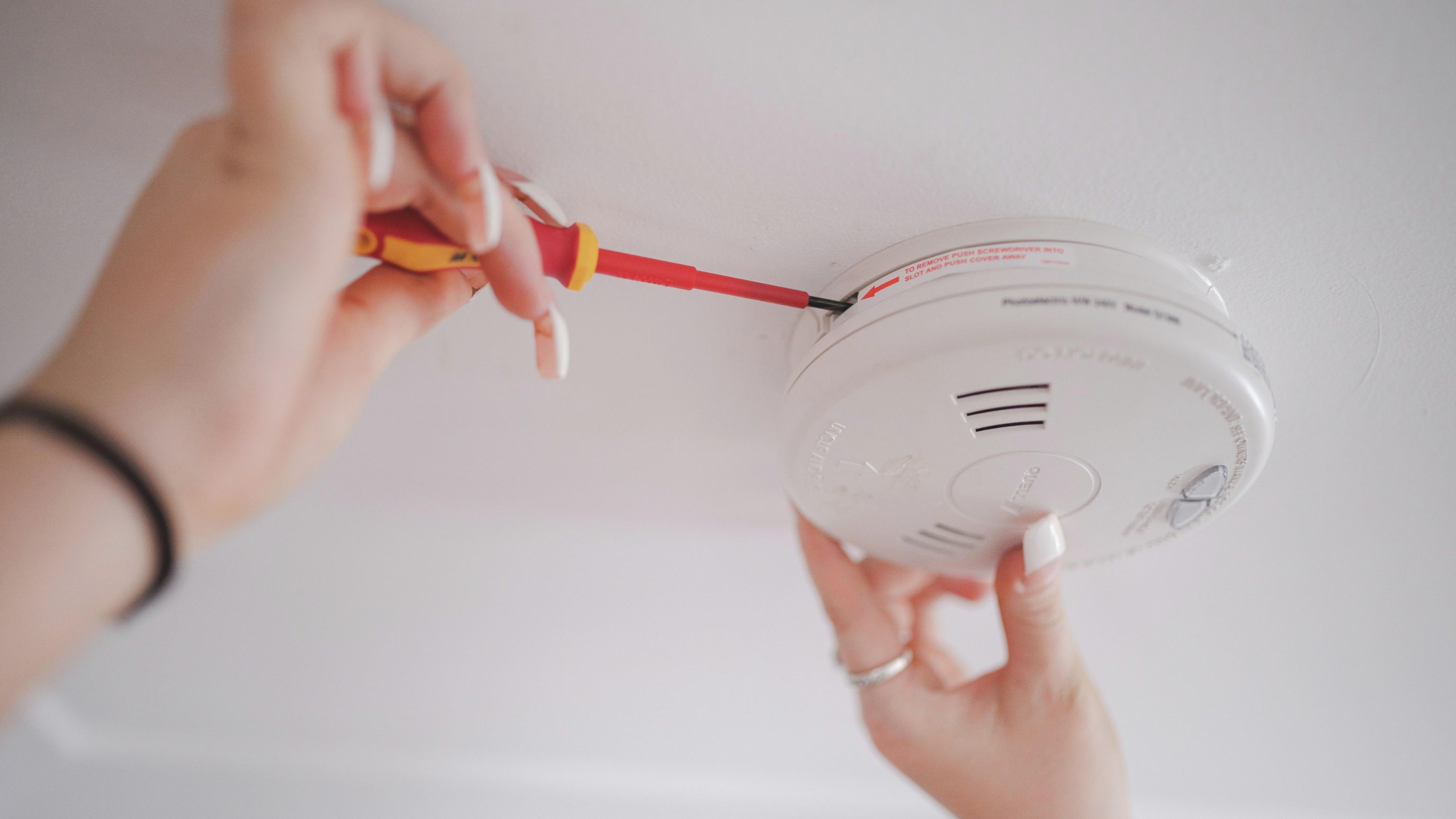
- Battery-Only: These are usually self-contained units that run solely on batteries (AA, 9V, or sometimes sealed lithium batteries that last 10 years). They’re often pretty easy to spot, with no wires going into the ceiling.
- Hardwired: These alarms are connected directly to your home’s electrical system. They often have a battery backup, too, just in case the power goes out. You'll usually see wires disappearing into the ceiling, and sometimes they're interconnected, meaning if one goes off, they all go off. Pretty smart!
Knowing which type you have is the first step to a smooth, stress-free removal.
The "Pop-Off" Method: For Battery-Only Alarms
Okay, let's start with the easiest one, our battery-only buddies. This is where you channel your inner "gentle giant" because it’s surprisingly simple.
First, grab a sturdy step stool or ladder. Safety first, always! You don't want to be doing acrobatics while looking up.
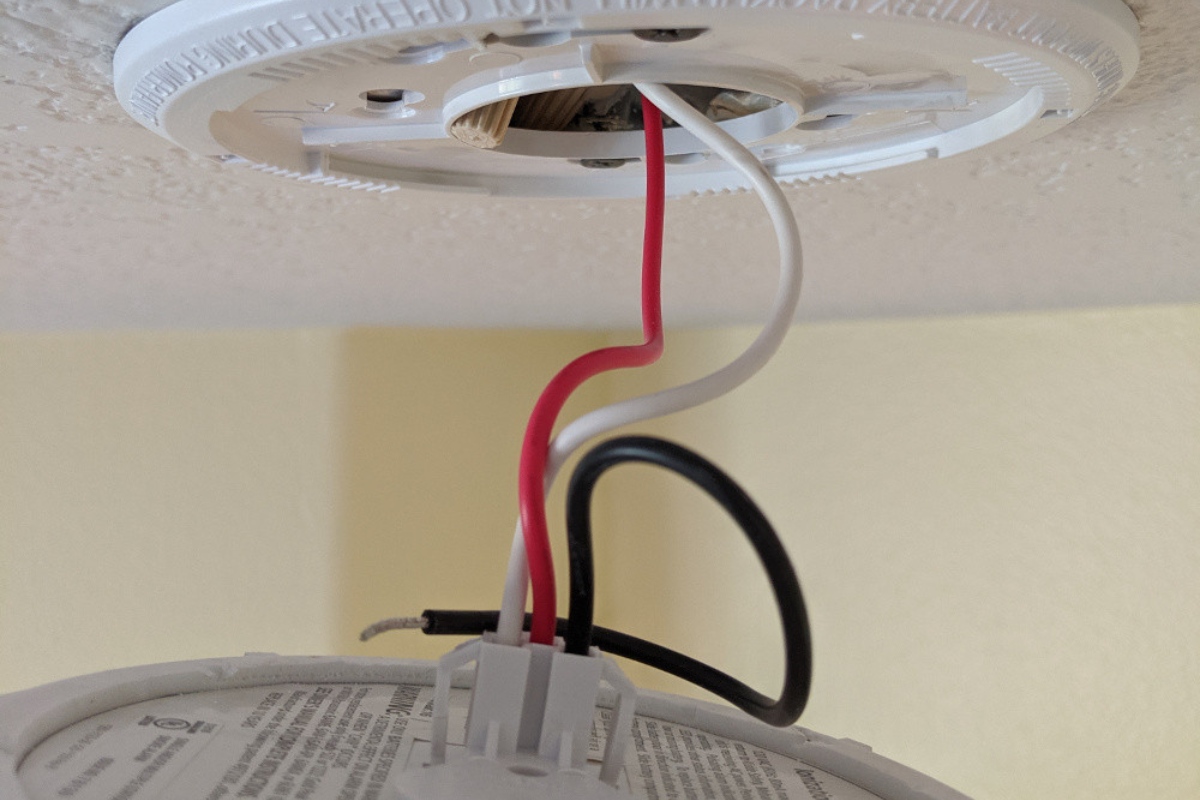
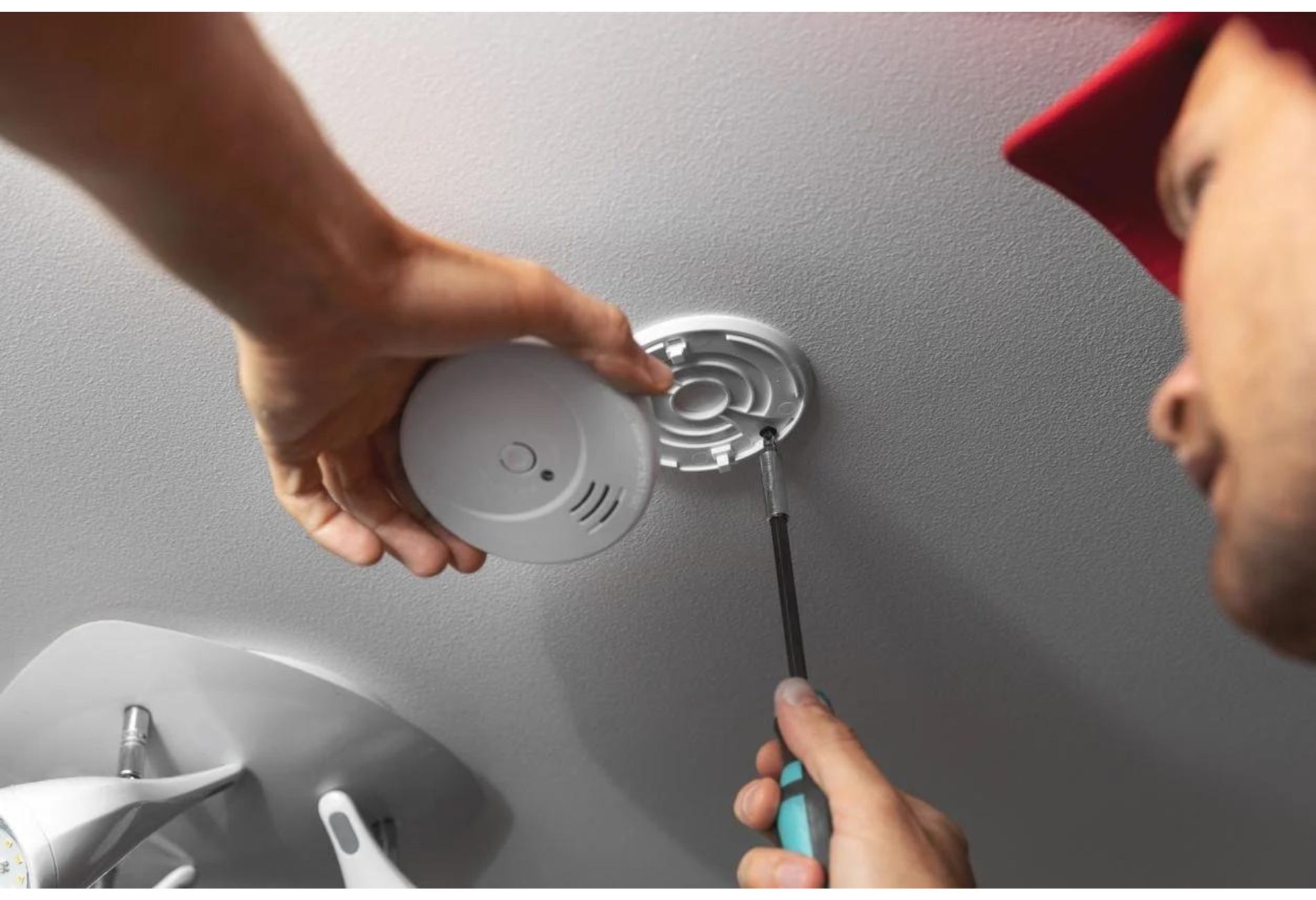
Now, look at the smoke alarm. Most models have a mounting plate that's screwed into the ceiling, and the alarm unit itself twists onto it.
Usually, you'll need to twist the alarm unit counter-clockwise. Imagine you’re trying to unscrew a giant bottle cap from the ceiling – but one that's a little stiff from lack of use. Give it a firm, steady twist, and it should unlatch from its base. It might click or feel a little resistant, but don’t worry, you’re not breaking it!
Once it twists free, it will typically hang down a little, or you can gently pull it completely off. Voila! You've conquered the ceiling. Now you can easily open the battery compartment, swap out those tired batteries for fresh ones, and twist it back on the same way you took it off (clockwise this time!). Easy peasy, lemon squeezy.
Getting Serious: The Hardwired Approach (Crucial Safety First!)
Alright, hardwired alarms are a tiny bit more involved, but still totally doable if you follow one golden rule: SAFETY FIRST! This isn't just a suggestion; it's a non-negotiable command.
Step 1: Kill the Power!
This is the absolute, most important step. Before you even think about touching a hardwired alarm, you need to turn off the power to that circuit at your home's electrical breaker box. Think of it like turning off the main brain of that part of your house. Flip the switch marked for your smoke alarms (or the general circuit for the area if you're unsure). Go ahead and test a light switch in the room afterward to make sure the power is truly off. Better safe than sorry!
Step 2: The Twist and Detach
Just like with the battery-only alarms, most hardwired units also twist off their mounting bracket. Again, a firm, counter-clockwise twist should do the trick. Once it detaches, it won't fall because it'll still be connected by wires.
Step 3: Disconnecting the Wires
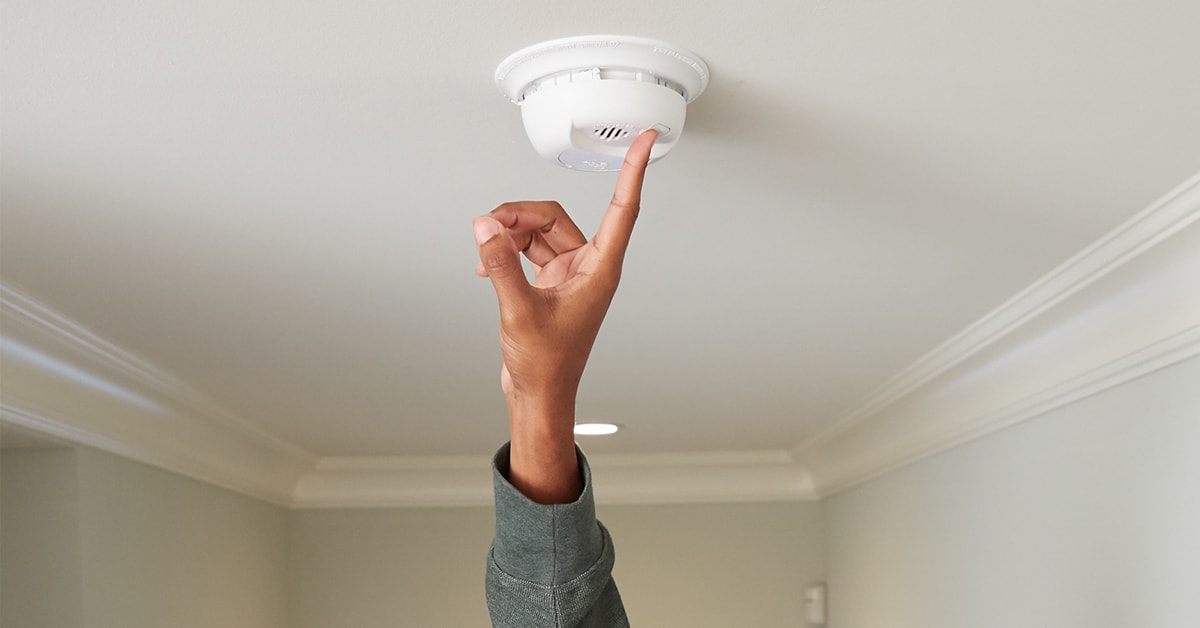
Now you’ll see a small plug or connector attaching the alarm unit to the wires coming out of your ceiling. This is usually a plastic clip-style connector. Gently pinch or press the tab on the connector and pull it apart. It’s a lot like unplugging a small appliance from a wall socket – just be gentle! You might also see a battery backup inside the alarm, which you can remove now too.
Once the wires are disconnected, the alarm unit is completely free! If you're replacing it, you'll simply connect the new alarm to this same wiring harness. If you're removing it permanently (which might require capping the wires and patching the ceiling), it’s often wise to consult an electrician to ensure everything is done to code and safely. But for a simple swap, you're golden!
The Takeaway: You’ve Got This!
Who knew a smoke alarm could hold so many secrets, right? Learning how to safely remove one isn't just about silencing a chirp; it’s about understanding your home, gaining confidence in your DIY skills, and ensuring the safety of your living space. It’s a small puzzle, a minor challenge, and once you’ve done it, you’ll feel a wonderful sense of accomplishment.
So next time that little sentinel on your ceiling starts to complain, you'll know exactly what to do. No need to call in the cavalry (or an expensive handyman) for a simple battery change. You’re now officially a smoke alarm whisperer! Go forth and conquer those chirps!