Ever wonder about the invisible forces at play in your home? Not ghosts, thankfully (unless you’re into that sort of thing!), but something far more common and, well, a bit trickier to spot. We're talking about Carbon Monoxide, or CO for short. It's often called the "silent killer," which sounds super dramatic, but honestly, it’s mostly just really good at being invisible. Like a ninja, but for gases. And unlike a ninja, it’s not trying to fight you; it’s just a sneaky byproduct of things we use every day.
So, why are we chatting about this today? Because being a little bit curious and armed with some know-how can turn you into a household superhero. Think of it as developing your own personal superpower: the ability to detect the undetectable. Pretty cool, right?
The Mystery Guest: What Is CO, Anyway?
First off, let’s get acquainted with our elusive friend. CO is a gas that’s produced when fuels don’t burn completely. Things like natural gas, propane, oil, wood, and even charcoal. So, your furnace, your gas stove, your car, your fireplace – they can all be CO creators if they’re not happy.
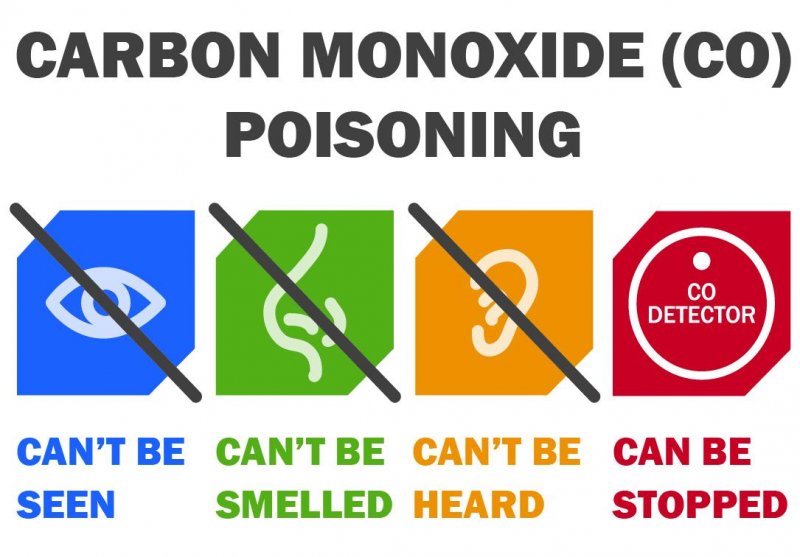
The real kicker? It’s odorless, colorless, and tasteless. Yep, you can't smell it, you can't see it, and you certainly can't taste it. It’s like air, but with a hidden agenda. This is why it’s so tricky, and why being a smart homeowner means becoming a bit of a gas detective.
Your Body as a Barometer: The Human Clues
Okay, so you can’t smell or see CO. But your body, being the amazing piece of machinery it is, will start to tell you something’s up. The problem? CO symptoms are often super subtle and can easily be mistaken for other common ailments. It's like your body is trying to send you a coded message, and you need the deciphering key.

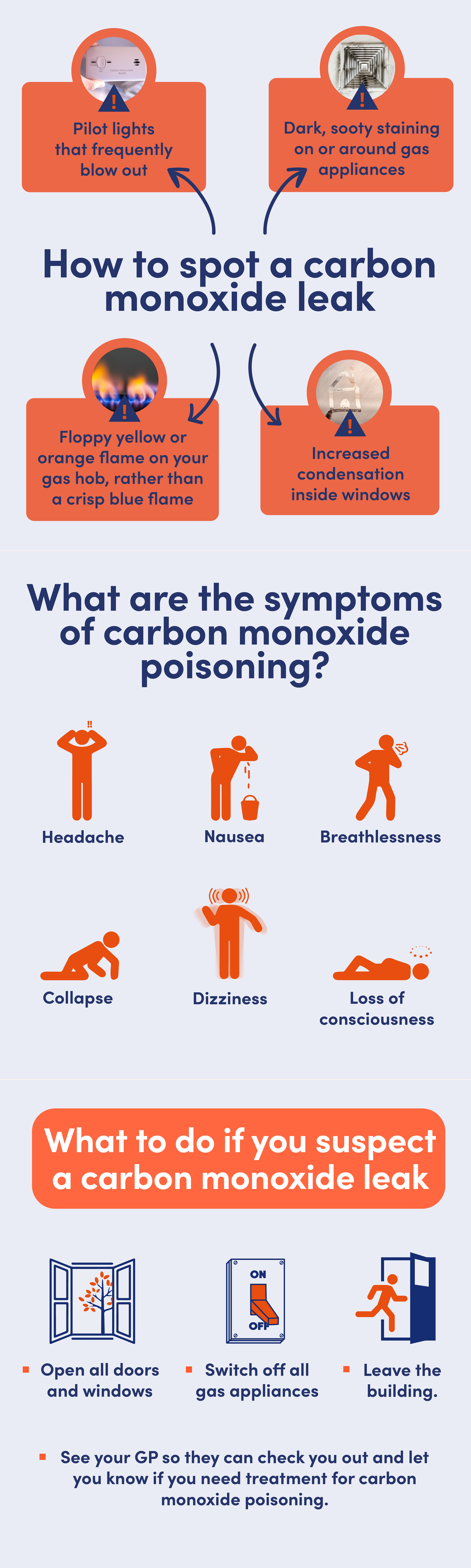
Have you ever had a really bad headache that just won’t quit? Felt dizzy or lightheaded when you stood up? Or maybe just generally felt nauseous and worn out, like you’re coming down with the flu, but without the fever or body aches? Bingo. Those are some of the classic signs of CO poisoning.
Imagine you've had a really fun night out (or maybe just a late one) and you wake up feeling a bit fuzzy, head pounding, stomach churning. That's kinda what mild CO poisoning can feel like. Except, you know, without the fun memories. Not ideal.
Here’s a trickier clue: what if everyone in the house starts feeling sick around the same time? Or your pets (who are often more sensitive to CO) seem unusually sluggish or unwell? That’s a massive red flag. It’s like everyone suddenly got the same mystery flu at once – pretty suspicious, right?
Your Home as Your Accomplice: Environmental Clues
Beyond your own feeling, your house itself might be trying to drop hints. It's like your home is leaving you a trail of breadcrumbs, if you just know what to look for. Time to put on your Sherlock Holmes hat!
- Sooty Stains or Yellow/Brown Discoloration: Take a peek around your fuel-burning appliances. Do you see any black, sooty marks on walls or surfaces around your furnace, water heater, or fireplace? How about yellow or brownish stains? These are signs of incomplete combustion, meaning those appliances might be struggling and producing CO.
- Lazy Flames: If you have gas appliances with a pilot light or burner flame (like a stove or water heater), it should ideally be a crisp, steady blue. If you see flames that are lazy, yellow, or orange, that’s a sign that the fuel isn’t burning efficiently. Think of it like a tired campfire flame instead of a vibrant gas torch.
- Pilot Lights Playing Peek-a-Boo: Does your pilot light keep going out on its own? It's not just being temperamental; it could be an indicator of an issue that’s also producing CO.
- Unusual Smells: While CO itself is odorless, you might detect an unusual, stale, or stuffy odor, or the smell of burning fuel (like kerosene or gas) in an odd place. This isn't the CO, but it is an indicator that something isn't burning correctly, which can lead to CO production.
These visual and olfactory clues are your home's way of whispering, "Hey, something’s a little off here!"

The Ultimate Gadget: Your CO Detector
Alright, so we’ve covered your body’s subtle hints and your home’s visible clues. But what if you want a direct, no-nonsense answer? This is where technology steps in, like a superhero with a special sensor. Enter the carbon monoxide detector.
Think of it as your smoke detector's quieter, but equally vital, cousin. These clever devices are specifically designed to sniff out CO in the air long before you or your pets would feel any symptoms. They come in various forms – battery-operated, plug-in, or even combined with smoke detectors.
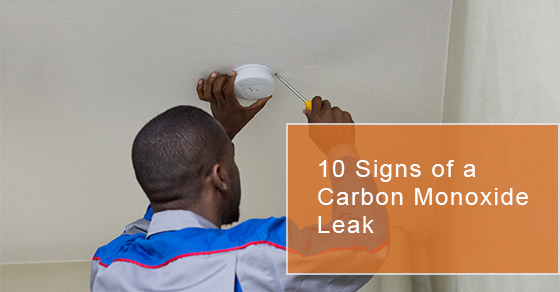
And just like smoke detectors, they need to be placed correctly (usually near sleeping areas and on every level of your home) and tested regularly. It's a small investment for massive peace of mind. They’re like having a tiny, dedicated CO police officer always on duty in your home!
So, You Suspect a Leak... Now What?
If you ever find yourself thinking, "Hmm, this article suddenly feels very relevant to my life," and you suspect CO might be lurking, don't panic. The immediate steps are simple and super important:
- Get Fresh Air: The most crucial thing is to immediately get outside into fresh air. Open windows and doors on your way out if you can, but prioritize getting yourself and everyone else (pets included!) to safety.
- Call for Help: Once you're safe, call your local fire department or utility company. They have the right equipment to check your home safely.
Being aware of CO isn't about fear; it's about being informed and empowered. It's about knowing the subtle whispers your body and home might be sending, and having the right tools to confirm those suspicions. So go ahead, be curious, be observant, and be your own awesome CO detective! Your health, and the health of those you love, will thank you for it.