
Alright, let's talk about something super important but often overlooked: the humble carbon monoxide detector. It's one of those unsung heroes of home safety, silently standing guard against an invisible threat. But here's the kicker – you've bought one, maybe even plugged it in, but have you ever paused to wonder if it's actually in the optimal spot?
No worries, you're not alone! Many of us just slap it on the wall or plug it into the nearest outlet and call it a day. But just like choosing the right throw pillow or the perfect light fixture, there’s a little art (and science!) to getting your CO detector placement just right. Let's make sure your home is not just stylish, but also smart-safe.
The Great Debate: High or Low?
This is where the confusion often kicks in. Unlike smoke detectors, which usually belong high on the ceiling because smoke rises, carbon monoxide (CO) is a bit of a trickster. It actually mixes pretty evenly with the air in your home. Think of it less like a balloon floating to the ceiling and more like a whisper spreading through a room.
So, what's the verdict on height?
For CO detectors, the consensus is surprisingly flexible: anywhere between knee height and eye level is generally considered effective. That's typically about 2 to 5 feet (0.6 to 1.5 meters) off the floor. The key is to place it where it can best sample the air that you breathe.
Where to Put Those Savvy Sensors
Beyond just height, where you place your detectors is crucial. Think of them as tiny, vigilant guardians assigned to specific zones.
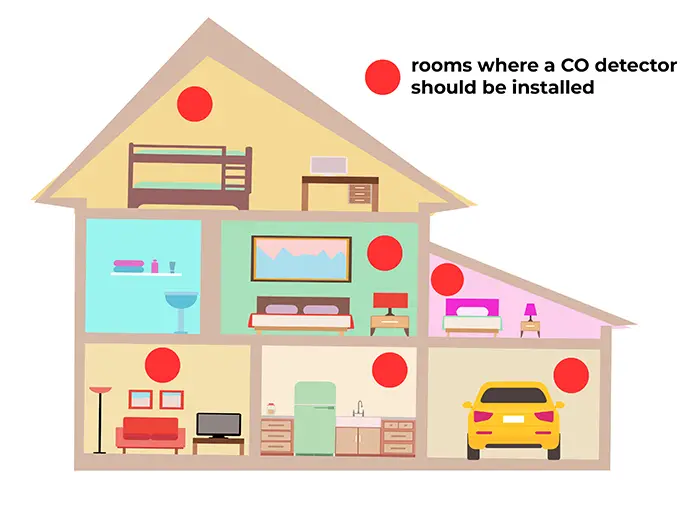
First rule of thumb: Install a detector on every level of your home, including the basement. This ensures comprehensive coverage, because CO can travel.
Second, and perhaps most critical: Place one near or inside every sleeping area. Imagine this scenario: you're fast asleep, and CO starts to accumulate. You won't smell it, you won't see it, but a detector strategically placed can wake you up before symptoms even begin. It's like having a personal alarm clock for safety!

Consider placing additional detectors in common areas where your family spends a lot of time, like the living room or den. If you have an attached garage, it’s also a smart move to place a detector in the room connecting the garage to your living space.
The "No-Go" Zones
Just as important as knowing where to put them is knowing where not to. Avoid these spots to ensure your detector is giving you the most accurate readings:
- Right next to fuel-burning appliances: Furnaces, water heaters, stoves. While these are sources, placing the detector too close can lead to nuisance alarms or false positives from initial startups. Give it a little breathing room.
- In dead air spaces: Think behind curtains, in corners, or inside cabinets. CO needs to circulate to reach the sensor effectively.
- Near vents or fans: The airflow can interfere with the detector’s ability to accurately sample the ambient air.
- In direct sunlight or extreme temperatures: Heat and cold can affect the electronics and sensor accuracy.
- In very humid areas: Like bathrooms. High humidity can also affect sensor performance.
A Little CO Lowdown (Fun Facts!)
Carbon monoxide is often dubbed the "silent killer" for a reason. It's completely odorless, colorless, and tasteless. It’s produced when fuels (like gas, oil, kerosene, wood, or charcoal) don't burn completely. Think leaky furnaces, blocked chimneys, or even running a car in an attached garage.
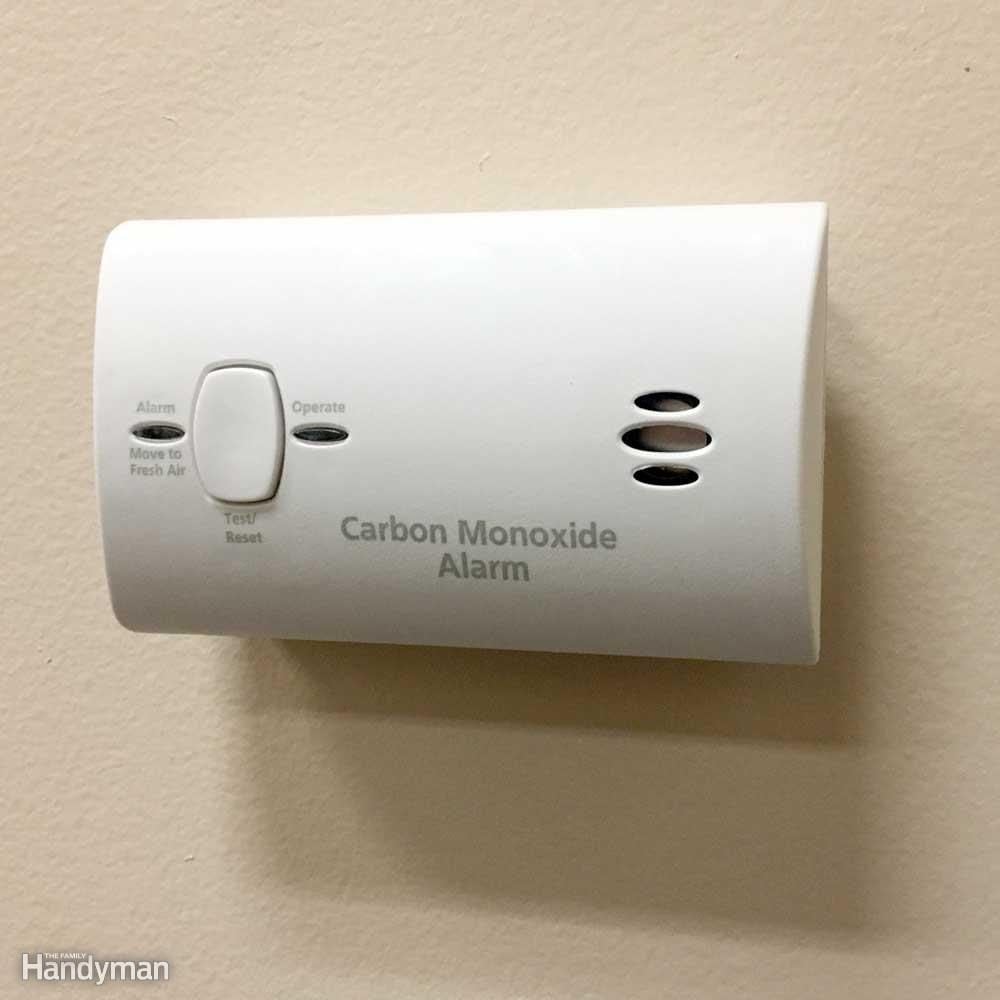
Fun Fact: Did you know CO detection technology actually got a big push after incidents involving coal mining? Early detectors were rudimentary, but modern ones are incredibly sophisticated, constantly sniffing the air for even tiny traces.
It's also worth noting that CO replaces oxygen in your bloodstream, essentially suffocating your cells. Symptoms can range from headaches and dizziness (often mistaken for the flu) to nausea and confusion, and at high levels, it can be fatal.
Beyond the Mount: Keeping It Prime
Placement is key, but don't forget the maintenance!
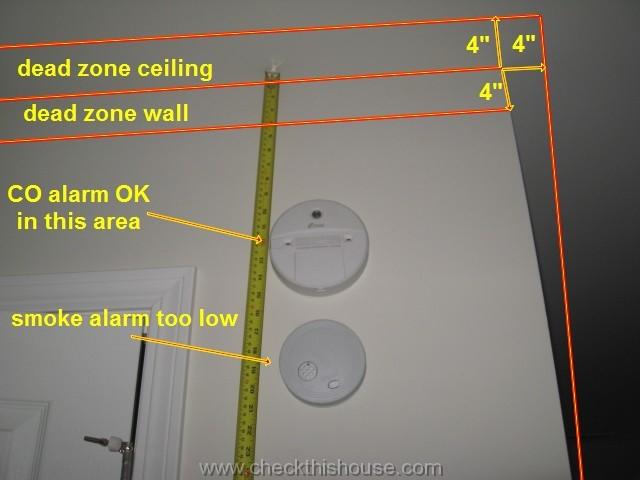
- Test it regularly: Most detectors have a "test" button. Give it a push monthly to make sure it's working.
- Change batteries: If it’s battery-powered, change them at least once a year, perhaps when you adjust your clocks for daylight saving. It’s an easy mnemonic!
- Know its lifespan: Detectors aren't forever. Most have a lifespan of 5-7 years, after which the sensor can degrade. Check the manufacturer's date and replace it when needed.
If you're feeling fancy, many modern CO detectors integrate with smart home systems. Imagine getting an alert on your phone if CO is detected, even when you're not home! Now that's next-level peace of mind.
Bringing It Home: The Reflective Bit
In our busy lives, it's easy to overlook the small stuff, especially when it comes to things we hope we'll never need. But taking a few minutes to properly place and maintain your carbon monoxide detectors is more than just a chore; it's an act of care.
It's about creating a sanctuary where you and your loved ones can breathe easy, literally and figuratively. It’s knowing that while you're unwinding after a long day, making dinner, or simply enjoying a quiet morning coffee, there’s an invisible guardian watching over you. So go ahead, check those detectors. Your peace of mind (and health!) will thank you for it.