
Ever look up at that little disc on your ceiling and think, “Huh, what’s that thing even doing up there?” Most of the time, smoke alarms are just chilling, blendin' into the background, silently standing guard. We don't really give them a second thought... until, maybe, we burn the toast, and then BAM! They spring into action, startling us with a sound that could wake the dead.
But here’s the million-dollar question: how do you know it’s actually going to work when you really need it to? Like, how do you trust this quiet little sentinel is ready for its big moment? It’s not like you can just ask it, right? It’s a bit of a mystery, a silent partner in your home's safety story. Let’s pull back the curtain a bit and get curious about these unsung heroes.
The Mighty Test Button: Your First Clue!
Okay, so this one might seem a little obvious, but it’s the first and best step. Most smoke alarms come with a little button, often labeled "TEST." Think of it like the emergency override button for a secret agent. When you press it, you’re not just making noise; you're actually sending a signal through the alarm's system to see if its electronic brain and its loud voice are both ready to rumble.
When you press that button, you should hear a loud, piercing siren for a few seconds. It’s definitely not pleasant, a bit like a tiny banshee screaming in your living room, but that’s the point! That shriek is your alarm essentially saying, "Yep, I'm here, I'm loud, and I'm ready to warn you!" If you press it and hear nothing, or just a faint whimper, that’s your first sign that something might be amiss. Give it a good firm press, hold it for a second or two, and listen. Easy peasy!
The Power Source Puzzle: Batteries, Of Course!
Remember that feeling when your TV remote suddenly dies in the middle of a nail-biting scene? Frustrating, right? Well, smoke alarms are the same. Most operate on batteries, and those batteries, just like your remote's, eventually run out of juice. A smoke alarm without a working battery is like a superhero without their superpowers – just a caped figure standing there, looking pretty but utterly ineffective.
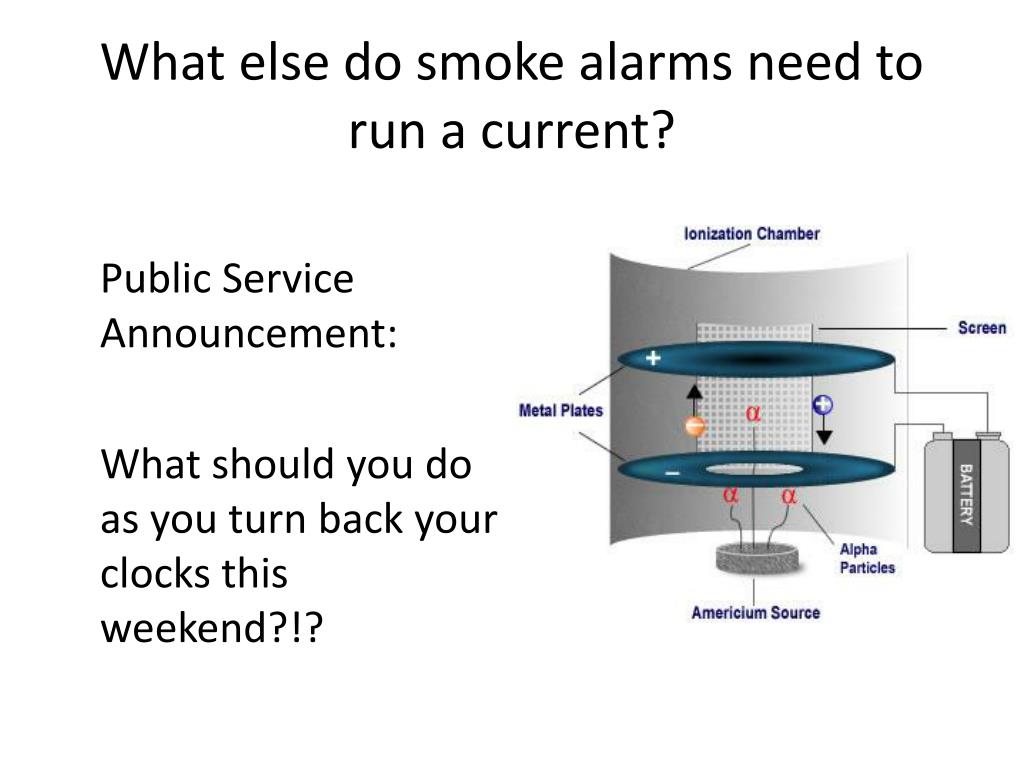
This is why you often hear the advice to change your smoke alarm batteries annually, even if they seem fine. A good rule of thumb is to do it when you change your clocks for daylight saving time. It's a handy memory jog! And for those alarms that just give a little chirp every 30-60 seconds? That, my friends, is the sound of a dying battery. It’s not just annoying; it’s a tiny SOS call from your alarm, letting you know it's time for a fresh boost of power.
The Great Expiration Date Mystery
Did you know smoke alarms have an expiration date? Most people don't! It's not like a carton of milk or a yogurt cup, but these gadgets don't last forever. Over time, their internal components, especially the tiny sensors, can degrade and become less effective. Think of it like a car; even if it's running, older models might not have the same safety features or reliability as newer ones.
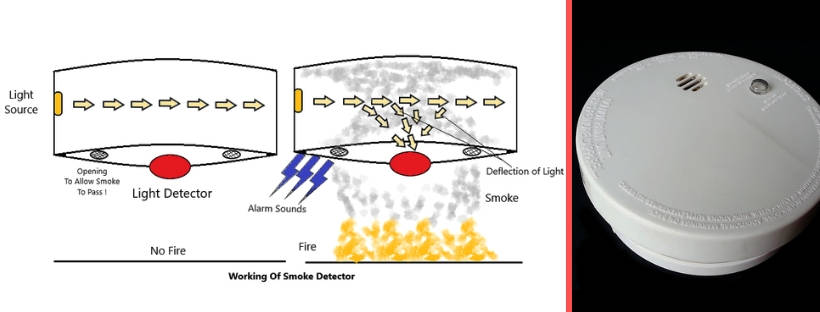
Generally, smoke alarms are designed to last about ten years. If you flip your alarm over, you’ll usually find a manufacturing date. If it’s over ten years old, it’s probably time to replace it. Even if it still chirps when you press the test button, its ability to actually detect smoke might be compromised. It's a small investment for a whole lot of peace of mind.
A Little TLC: Keep It Clean, Folks!
Smoke alarms are like tiny dust magnets. Dust, cobwebs, and even tiny insects can accumulate inside the sensor chamber, essentially clogging its "nose" or "eyes." Imagine trying to smell smoke when your nostrils are packed with cotton! Not very effective, right?
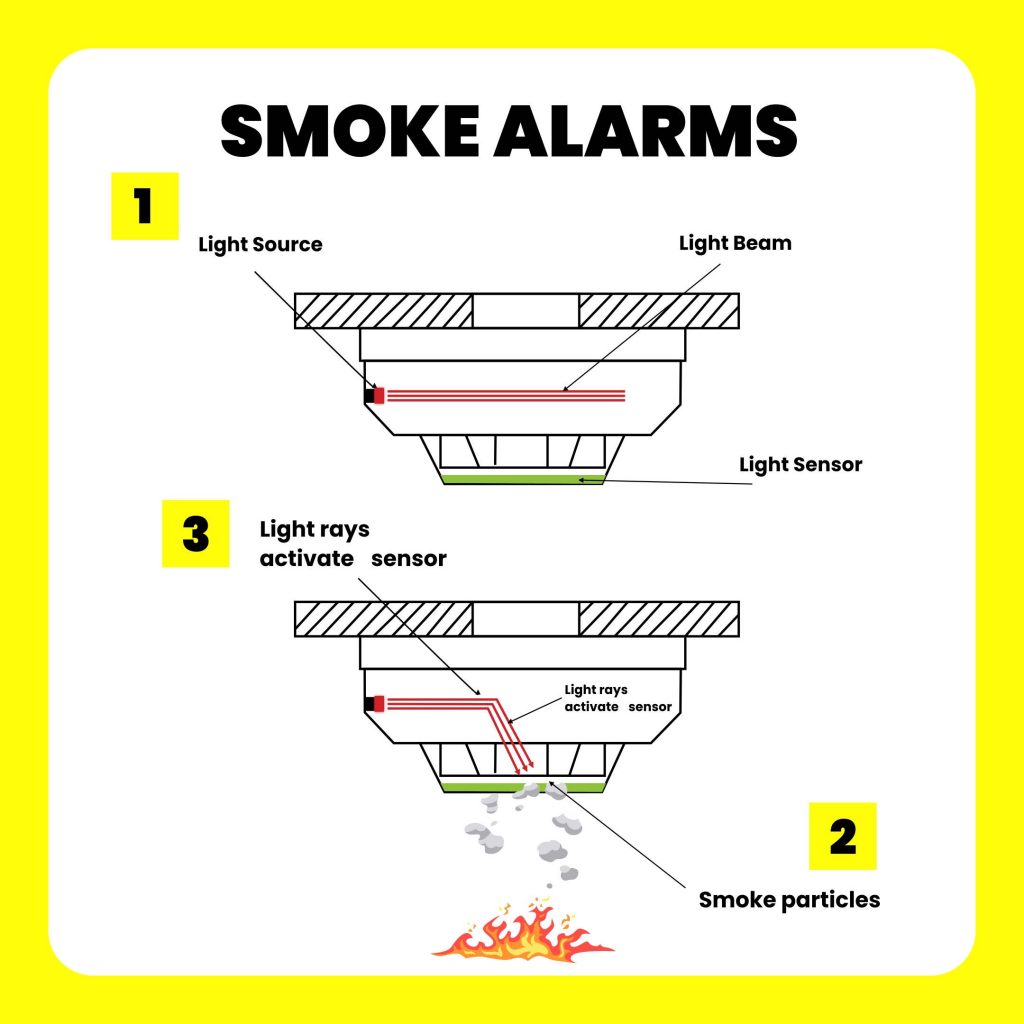
So, every now and then, give your smoke alarm a gentle once-over. You can carefully vacuum around it with a soft brush attachment or wipe it down with a slightly damp cloth (just make sure you don't get water inside the vents!). This simple act can help ensure that its sensors are clear and ready to detect even the faintest wisps of smoke.
Putting It All Together: Your Smoke Alarm Checklist
So, knowing if your smoke alarm is working isn't some high-tech, complicated endeavor. It's really just a few super simple, common-sense steps:
- Monthly: Press that test button! Listen for the loud, clear siren.
- Annually: Change all the batteries. A good time is when you reset your clocks.
- Every 10 Years: Check the expiration date on the back of the unit. If it's passed, it’s time for a replacement.
- Occasionally: Give it a quick clean to remove dust and cobwebs.
It’s kind of cool, isn't it? This humble little device, just quietly hanging out, but ready to be your first line of defense. By taking these few quick, easy steps, you're not just performing a chore; you're making sure your home's silent guardian is awake, alert, and ready to protect the things and people you care about most. It's a smart habit that brings a really warm, fuzzy feeling of security. And who doesn't want that?