
Ever been in the middle of a binge-watching session, a crucial work deadline, or just trying to keep the ice cream from melting, when suddenly—poof!—the lights go out? It’s not just an inconvenience; it can feel like the modern world just hit the pause button on your life. But what if I told you there’s a way to hit play again, even when the grid decides to take a nap?
That’s right, we’re talking about connecting a generator to your house! Now, before you imagine complicated wiring diagrams and sparks flying, take a deep breath. This isn't about becoming an instant electrical engineer. It's about understanding the basics, feeling empowered, and adding a serious dose of peace of mind (and maybe a little fun) to your life.
Why Bother with a Generator? Let's Talk Fun!
Think about it: while your neighbors are fumbling for candles and complaining about dead phone batteries, you could be… well, living pretty much as usual!
- Keep the Lights On: No more stubbing toes in the dark! Your home stays illuminated, warm (or cool!), and comfortable.
- Food Freedom: Say goodbye to spoiled groceries! Your fridge and freezer hum along happily, protecting your precious provisions (and that artisanal gelato).
- Stay Connected: Wi-Fi, charging phones, laptops – the essentials! Power outages no longer mean disappearing off the digital map.
- Entertainment Reigns: Your TV, gaming console, or favorite streaming device can keep you entertained. Because sometimes, a little distraction is exactly what you need.
- The Ultimate Superpower: There’s an undeniable satisfaction in being prepared. When everyone else is in crisis mode, you’re the calm in the storm, maybe even helping out a neighbor. That's empowering, right?
Connecting a generator isn't just about utility; it's about reclaiming control and turning a potential disaster into a minor hiccup. And honestly, there's a certain thrill in that!
The Two Main Paths to Power: Simple & Smart
Okay, let's get to the 'how.' The good news is, there are a couple of straightforward (and safe!) ways to get your generator chatting with your house. But first, a crucial, non-negotiable step:
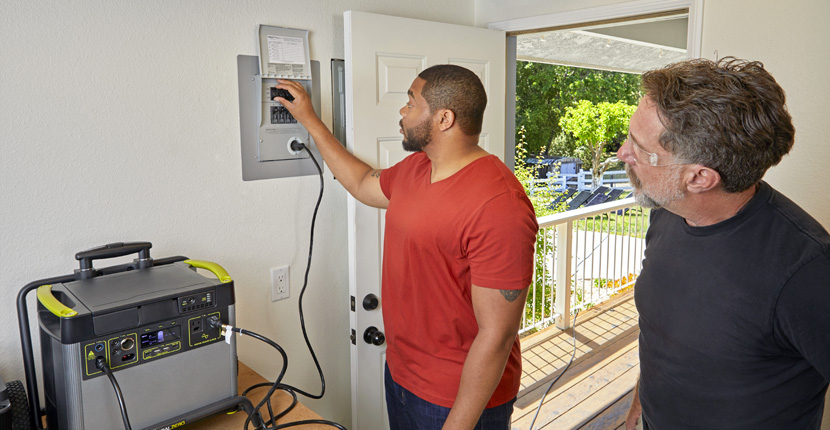
SAFETY FIRST! Never, ever, under any circumstances, connect a generator directly to a wall outlet in your house. This is called "backfeeding" and it can send electricity back into the power lines, potentially injuring utility workers or even your neighbors. We want fun, not danger! Always use the right equipment and consider professional help for anything beyond the simplest setups. Got it? Good!
1. The "Plug-and-Play" (Direct to Appliances)
This is the simplest method, great for smaller generators and essential appliances.
You simply run heavy-duty outdoor-rated extension cords directly from your generator to the specific appliances you want to power. Think fridge, a lamp, your phone charger, a fan.

It’s fantastic for temporary, targeted power. Just remember to keep the generator outdoors (fumes!), make sure your cords are rated for the load, and only plug in what you absolutely need. This method is the grab-and-go solution for those unexpected outages.
2. The "Whole-House Hero" (Via a Transfer Switch)
Now, if you want your generator to power multiple circuits, or even your entire house (depending on its size), you’ll want to look into a manual transfer switch or an automatic transfer switch.
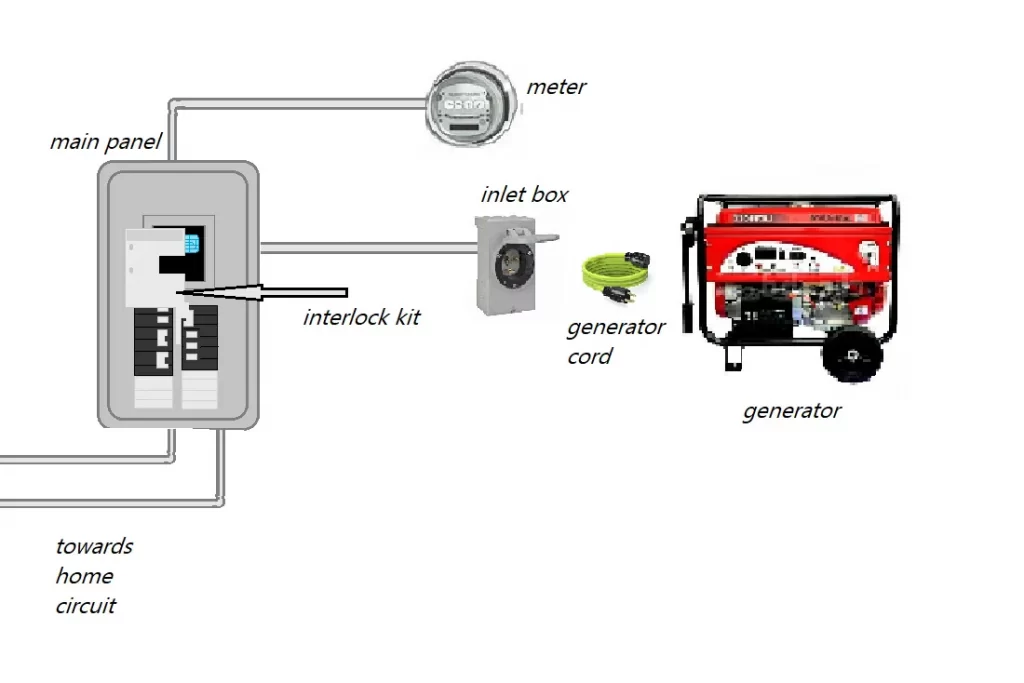
Imagine a little electrical brain that lives next to your main breaker panel. When the power goes out, this switch allows you to safely disconnect your house from the utility grid and connect it to your generator instead. When utility power returns, you flip it back. It’s genius!
Why is this the "smart" way?
- Seamless Power: No running multiple extension cords. Power flows through your existing home wiring.
- Ultimate Safety: A transfer switch completely isolates your house from the grid, eliminating the risk of backfeeding.
- Convenience: Once installed, it’s usually just a few simple steps to switch your home over to generator power.
This method typically requires installation by a licensed electrician. And while that might sound like a big step, it’s an investment in serious convenience and safety. Plus, chatting with an electrician is a great way to learn more about your home’s electrical system!

Your Journey to Power Independence Starts Now!
Connecting a generator to your home doesn’t have to be intimidating. It’s a journey of learning, safety, and ultimately, empowerment. Whether you start with a few extension cords for emergencies or dive into a full transfer switch setup, you’re taking a proactive step towards a more secure and comfortable home life.
Think of it as adding another tool to your "preparedness toolkit." It’s a skill, an understanding, and a peace of mind that pays dividends when the unexpected strikes. So, don't just sit in the dark next time. Feel inspired to learn more, ask questions, and explore how a generator can make your life not just easier, but a whole lot more fun and worry-free.
You've got this! And imagine the stories you'll tell about how you kept the party going when everyone else was powerless.