
Let's talk about the unsung hero of your backyard, the mystery beneath your feet! Your septic system's drain field – that super important, often invisible network of pipes chilling out underground. It’s like the secret garden nobody visits, but everyone relies on. Knowing its location might sound like detective work, but trust me, it’s a fun little quest we'll crack together!
The Great Drain Field Hunt: Your Mission, Should You Choose to Accept It!
Why bother with this subterranean scavenger hunt? Imagine planning a barbecue, planting an oak, or dreaming of a pool. Digging in the wrong spot can lead to a less than ideal situation! No one wants to unearth a crucial waste management system part. Plus, it's just good homeowner knowledge, making you truly "in the know" about your kingdom.
Clue #1: The Official Treasure Map (aka, Your House Plans)
Every great adventure begins with a map! For your drain field quest, start with official documents from your house or septic system installation. These are your ancient scrolls or secret blueprints! Check dusty attic files, or contact your local county health department or building permit office. They often have records, with diagrams showing your septic tank and sprawling drain field. It’s like finding X marks the spot, but with more legal jargon!
Clue #2: The Septic Whisperers (Your Local Septic Company)
If maps are scarce, or written in a language only an architect can decipher, it's time to consult the oracles – your local septic service companies! These wise wizards of wastewater often keep meticulous records. Give them a call, tell them your address, and they might pull up a map or a note that pinpoints your drain field like magic. It's worth a shot, and they’re often thrilled to help a curious homeowner.
Clue #3: Follow the Yellow Brick Road (aka, The Main Sewer Line)
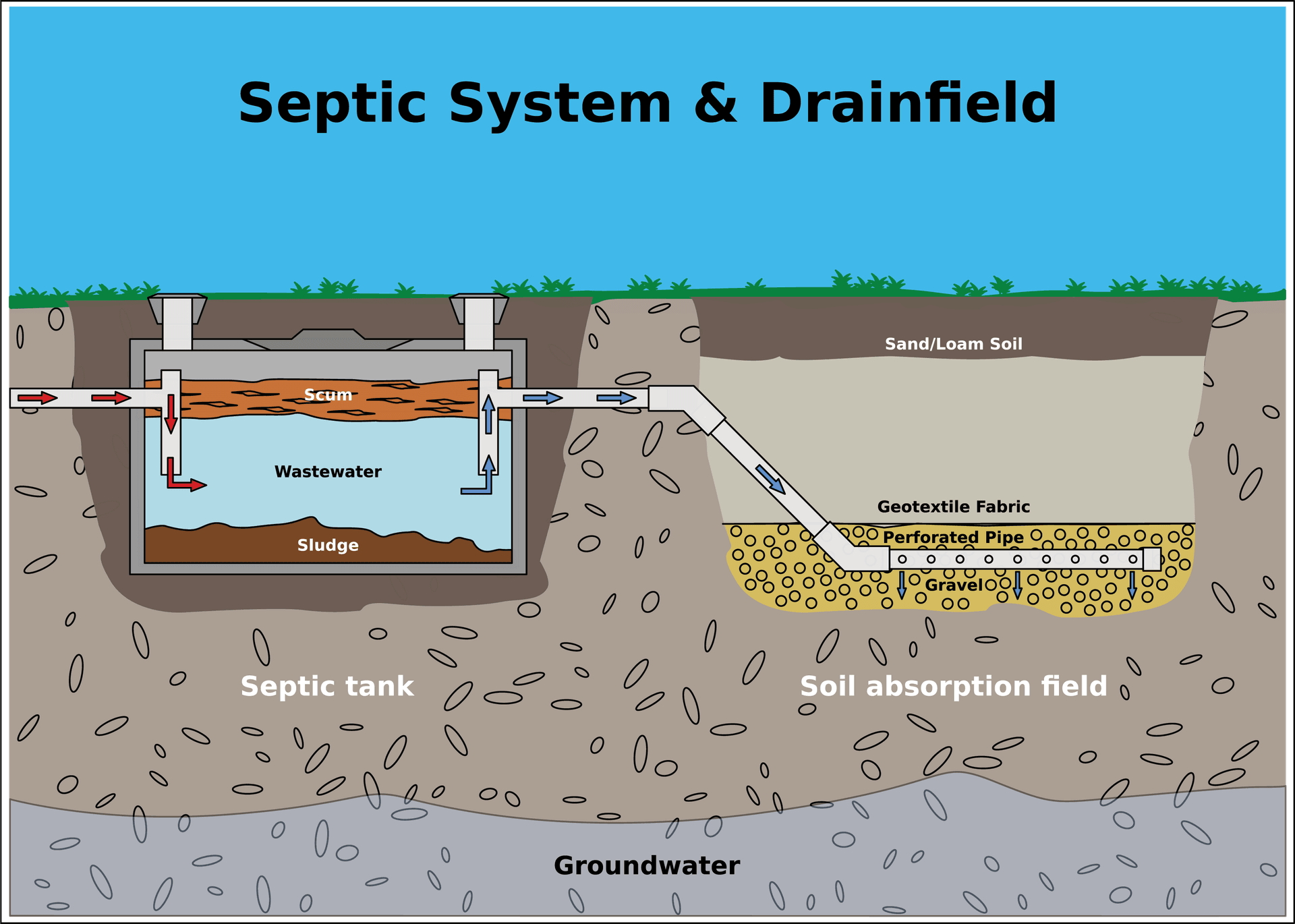
Time to put on your detective hat! If official records are elusive, trace the path from your house. The main sewer line typically exits near a bathroom or utility room, heading straight towards your septic tank. This tank is often a buried box, usually 10-20 feet from your house. Once located (perhaps by probing with a metal rod or looking for a riser lid), you’re almost there!

Pro Tip: The drain field almost always extends away from the septic tank, typically in the least trafficked, most open part of your yard. It loves space! It rarely runs uphill directly from the tank, as gravity is its best friend.
Clue #4: Nature's Secret Signals (Look for the Greenest Grass!)
Now, this is where it gets really fun – like reading grass blades! Your drain field is a thirsty beast, constantly releasing treated wastewater into the soil. So, the area directly above it gets an extra drink, especially during dry spells. If you notice a strip or patch of lawn that's unusually lush, vibrantly green, and practically glowing compared to surrounding parched grass, you've likely found your golden ticket!
Other subtle clues from Mother Nature? You might notice areas where the ground is slightly softer, spongier, or has a gentle mound or dip. Big, thirsty trees usually steer clear of drain fields (or should!), as their roots are notorious for invading pipes. A conspicuous lack of large trees can be a hint. Sometimes, you might even spot small, capped vent pipes sticking a few inches out of the ground, marking the ends of the drain lines – like little flags saying, "Hey, I'm part of the system!"
When All Else Fails: Call in the Septic Sherpas!
If the drain field remains stubbornly elusive, don't fret! There's no shame in calling in the professionals. Many septic companies offer a service to locate and map your system, using specialized equipment like signal generators or ground-penetrating radar. It's like having a superhero with X-ray vision for your backyard! They'll give you a precise map, often marked with flags, so you can confidently plan your next garden project without fear of a septic surprise. It's an investment in peace of mind!
So there you have it! Finding your septic drain field doesn't have to be daunting. It's a little adventure, a chance to connect with your home on a deeper, subterranean level. Armed with these tips, you're ready to uncover the secrets of your yard and become the true master of your domain. Happy hunting!