
Ah, the sound of silence. It’s a beautiful thing, isn’t it? Unless, of course, that silence is being relentlessly punctuated by a high-pitched, insistent, and utterly maddening chirp. You know the one. It starts subtly, a tiny whisper in the dead of night, then grows into a full-blown assault on your sanity. We’re talking, of course, about the infamous, the legendary, the universally despised chirping fire alarm.
Before you resign yourself to a life of perpetual annoyance or consider moving house just to escape the tyranny of a dying battery, take a deep breath. Because guess what? You, my friend, are about to become a chirp-slaying hero. That's right! This isn't just about stopping a noise; it's about reclaiming your peace, your quiet, and your rightful place as the master of your domain. Doesn't that sound empowering?
The Great Chirp Mystery: What's the Fuss?
So, why does this tiny sentinel suddenly turn into a feathered fiend? Most commonly, it’s screaming (or rather, chirping) for attention because its battery is low. Think of it as its way of saying, "Hey! I'm still here, I'm still working (mostly), but I need a little juice to keep up the good fight!" Less often, but equally important, it might be telling you it's simply reached the end of its life. Yes, even fire alarms have an expiry date, usually around 10 years. They're designed to keep you safe, after all, and that means being in tip-top condition!
Step 1: Embrace Your Inner Detective (and grab a step stool!)
First things first: you need to find the culprit. It's amazing how a sound that seems to emanate from everywhere can be so elusive. Walk around your home. Is it in the hallway? The kitchen? That guest room you never use? Listen closely. The chirp will become noticeably louder as you get closer. Consider it your personal treasure hunt, but the treasure is sweet, sweet silence.
Once you’ve pinpointed the location, you’ll likely need to enlist the help of a sturdy step stool or ladder. Safety first! Don't try to play contortionist on a wobbly chair. Get a proper, stable base.
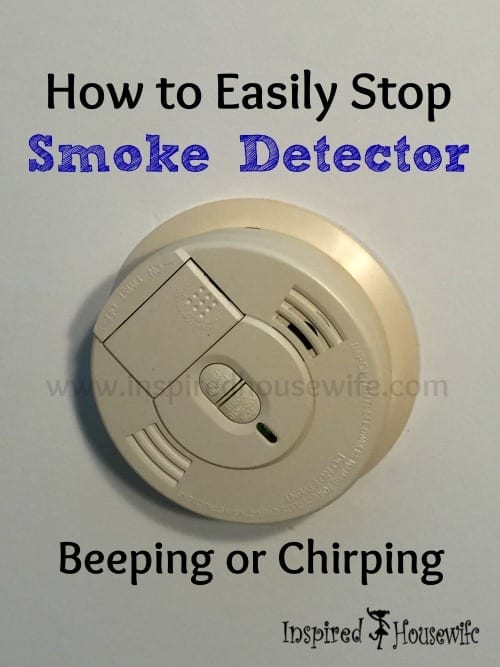
Step 2: The Battery Battle (Most Common Fix!)
This is where most chirping sagas end. Your fire alarm is almost certainly powered by a 9-volt battery, or sometimes AA or AAA batteries in newer models. Here’s how you tackle it:
Open the Hatch: Most fire alarms twist off their mounting bracket (turn counter-clockwise) or have a small latch or clips you can press to open a battery compartment door. Don't be shy, give it a firm but gentle twist or pull. You've got this!
Remove the Old Battery: Disconnect the old battery. It might be a little stiff if it's been there for a while. Wave goodbye to that little power cell; it served its purpose valiantly!
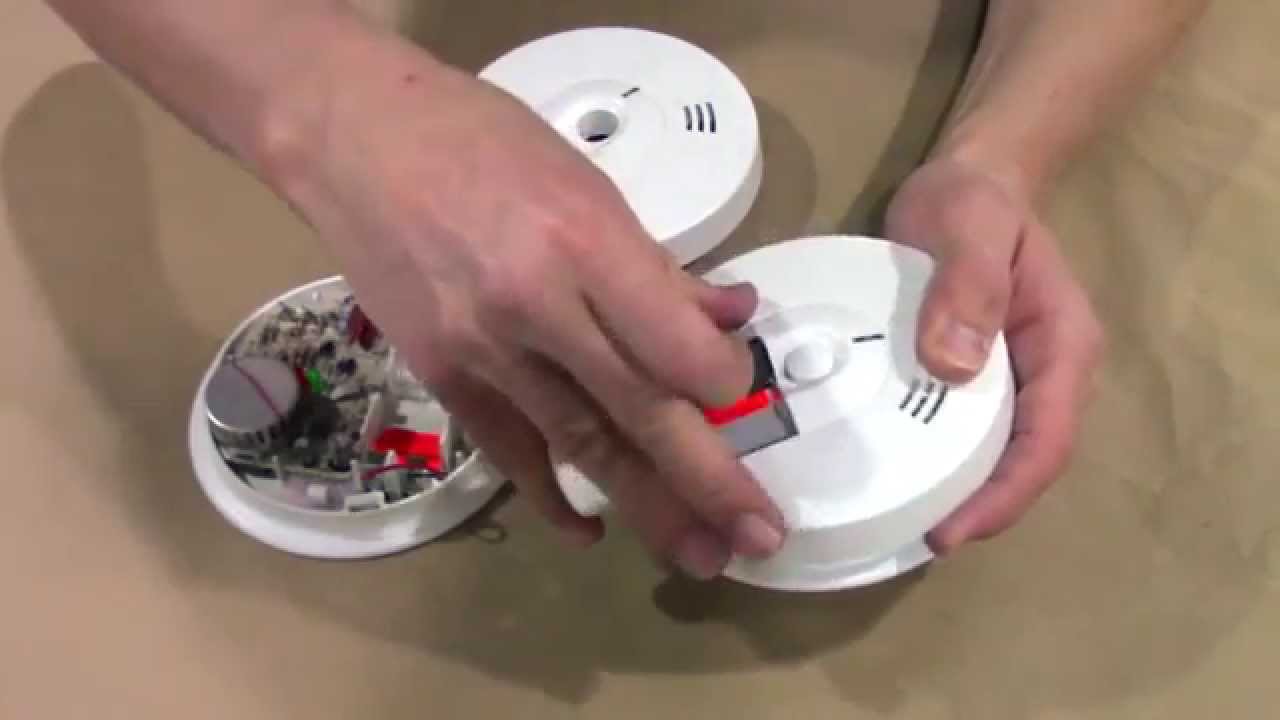
Deta Smoke Alarm Red Light And Beeping | Shelly Lighting Insert the New Battery: Grab a fresh, brand-new battery. Make sure to match the positive and negative terminals correctly. Hear that satisfying click as it locks into place? That's the sound of victory!
Test It: Before you close it all up, press the "test" button on the alarm. It should emit a loud, piercing shriek. This confirms it’s working correctly with its new power source. If it doesn't shriek, double-check the battery installation and try again. A quick, loud noise now means peace later!
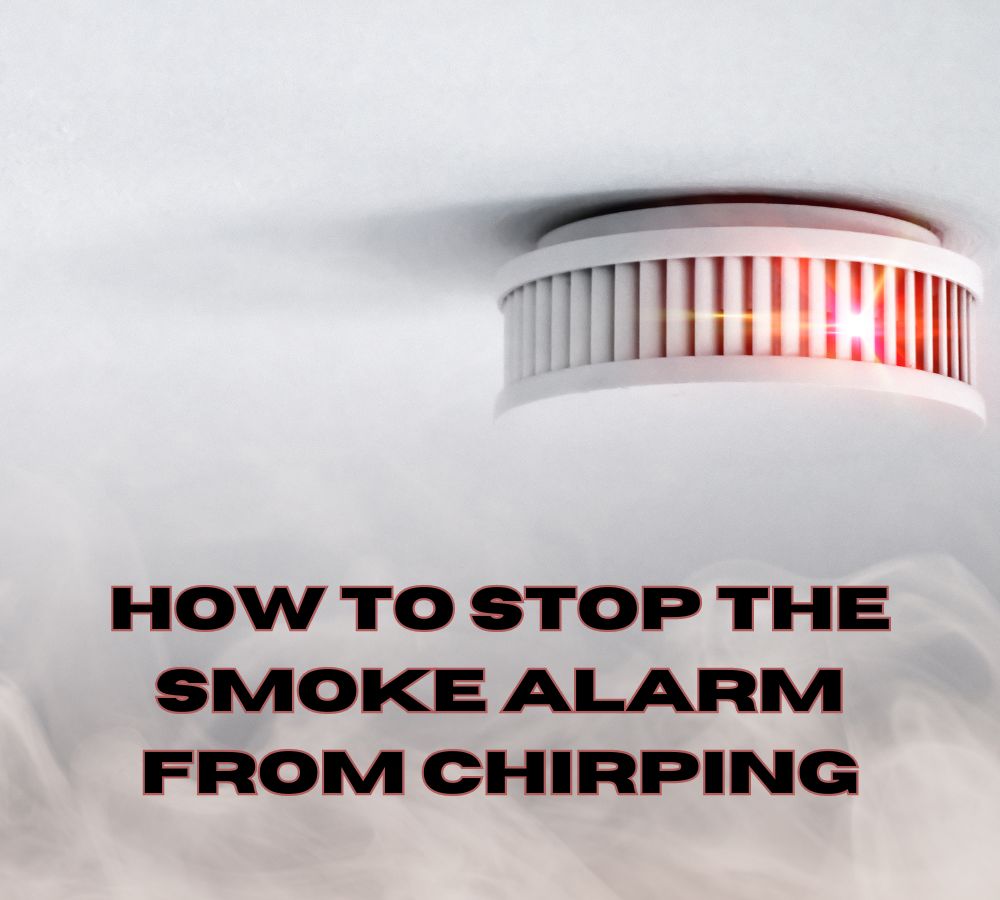
How to Stop the Smoke Alarm from Chirping – Quick Fix Guide - Dave Re-mount: Securely twist or clip the alarm back into its base. Give it a few minutes. If the chirp doesn't return, you've won! Congratulations, you’re a certified fire alarm whisperer!
Step 3: When it's Time for a Retirement Party (End of Life)
If changing the battery doesn't stop the chirping, or if your alarm is looking a bit dusty and ancient, it might be signaling its final farewell. Look on the back or side of the unit for a "manufacture date" or "replace by" date. Most alarms have a lifespan of about 10 years. If yours is past due, it's time for a new one. This isn't a defeat; it's simply an upgrade to your home's safety system!
Replacing an entire unit is often as simple as twisting the old one off its base and twisting a new one on (if they're the same brand and model). Otherwise, it might involve removing a couple of screws and connecting a few wires (always turn off the power at the circuit breaker first!). Don't worry, new alarms come with clear instructions, and there are tons of online tutorials if you need a visual guide. You're not just fixing a chirp; you're proactively safeguarding your loved ones!
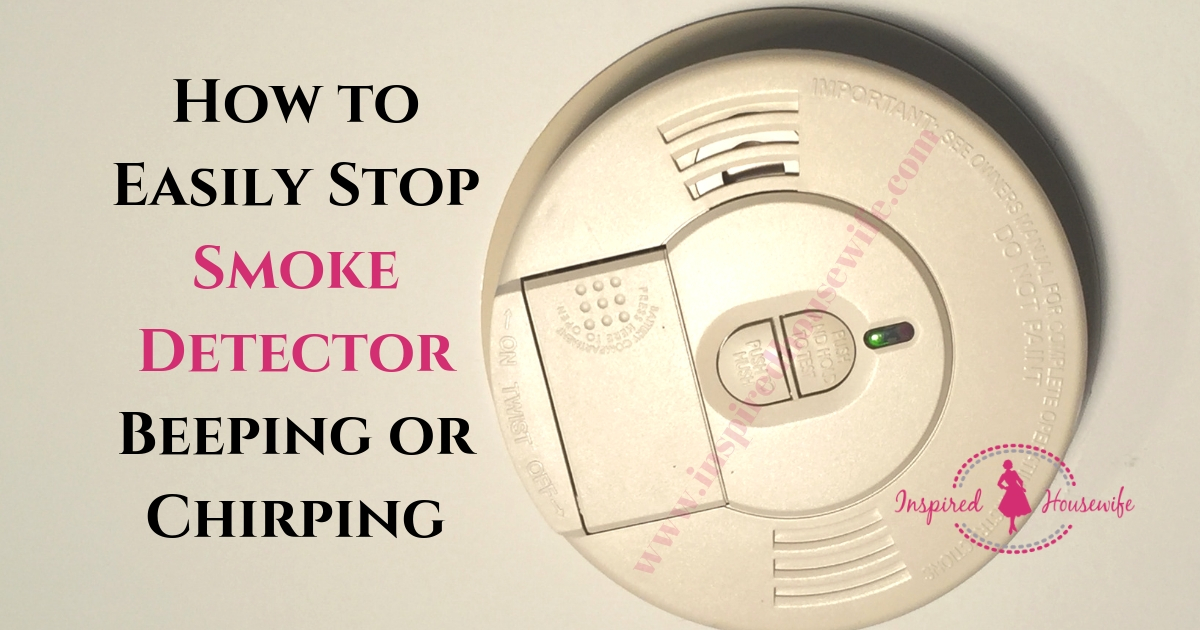
Beyond the Beep: A Life Lesson!
You might think, "It's just a fire alarm." But consider what you've just accomplished! You've faced a minor household annoyance, researched its cause, applied a solution, and emerged victorious. You’ve saved yourself from endless irritation, potentially saved money on a service call, and most importantly, you've ensured your home remains a safe haven. This isn't just about stopping a chirp; it's about taking charge of your environment, one small, satisfying fix at a time.
Think about it: what other little niggles in your daily life could you tackle with the same can-do attitude? That squeaky door? The leaky faucet? The cluttered drawer? Each small problem solved brings a sense of accomplishment and makes your living space just a little bit more enjoyable. Isn't it amazing how a tiny chirp can spark such a feeling of empowerment?
So, go forth, brave chirp-slayer! Embrace the satisfaction of a job well done, and enjoy the blissful, hard-won silence. And as you bask in your newfound peace, perhaps you'll feel a little spark of curiosity for all the other small, solvable mysteries that make up the fabric of our everyday lives. What other everyday challenges are you ready to conquer? The world is full of opportunities to learn, grow, and make your life a little more wonderful, one practical skill at a time. Go on, unleash your inner problem-solver – you’ve already proven you have what it takes!