
Ever wonder about the silent workhorse hidden beneath your yard? If you live in a home with its own wastewater system, chances are you have a septic tank. This underground marvel takes care of all the things you flush and drain, keeping your household running smoothly. But like any good worker, your septic tank needs a break and some attention eventually. How do you know when it’s getting a little too full? Let's uncover the signs, making sure your system stays happy and healthy.
The Subtle Whispers: Early Clues
Sometimes, your septic tank gives you gentle hints before it shouts. These are the signs you can catch early, preventing bigger headaches down the line. Keep an eye, or a nose, out for these.
First up, slow drains. Are your sinks taking longer to empty? Does the bathtub water seem to linger a bit too long after your shower? This isn't just a sign of a clogged pipe inside your house. It could be that the whole system is backing up, starting right from the tank. Think of it as a traffic jam in your plumbing; if the main road (your septic tank) is full, traffic backs up everywhere else.
Then there are those peculiar sounds. If you hear funny gurgling noises coming from your pipes, especially after flushing a toilet or draining a sink, pay attention. It's almost like your pipes are having a grumbling stomach, complaining about the pressure or lack of space in the system. These sounds are often a result of air being trapped or pushed through the water as the tank struggles to handle new waste.
Perhaps the most obvious, and least pleasant, early warning sign is unpleasant odors. If you start smelling sewage, either indoors near drains or out in your yard, particularly around the septic tank area or drain field, it's a big red flag. These smells mean that gases, which should be contained, are escaping. It's your septic system's way of saying, "I'm overflowing!" Nobody wants their home or yard smelling like that, right?
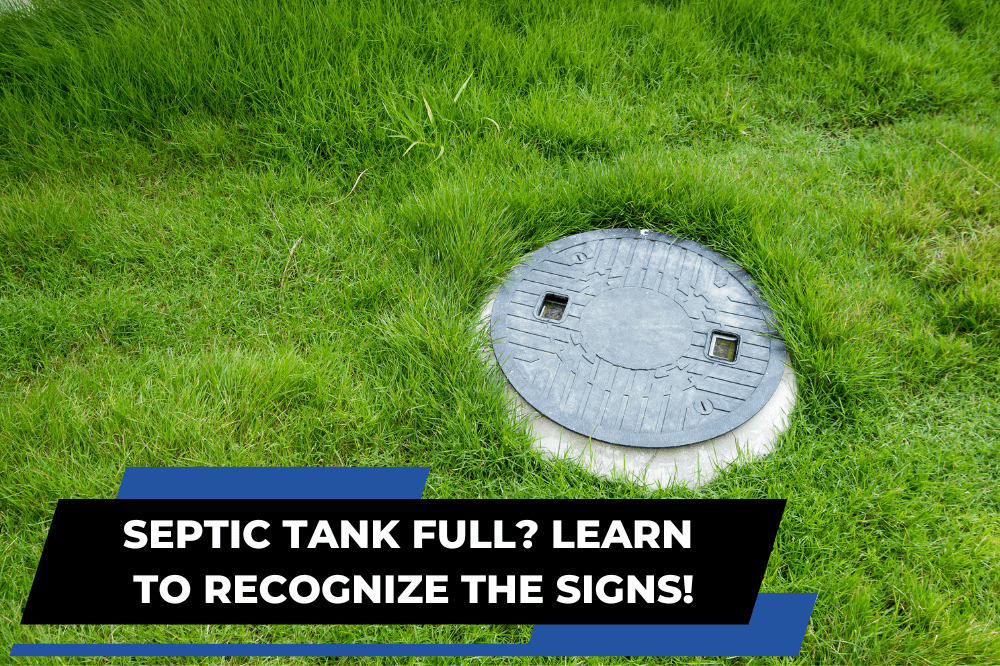
Finally, cast an eye over your lawn. Do you have a spot over your septic tank or drain field that looks suspiciously green and lush, even when the rest of your grass is struggling? This patch of
lush green grasscould be a sign that excess wastewater is seeping to the surface, fertilizing that particular area. While a green lawn is usually good, an unnaturally vibrant patch directly over your system can be a sign of trouble brewing underneath.
The Loud Alarms: Urgent Signals
Sometimes, the gentle whispers turn into a full-blown shout. These are the signs that demand immediate attention, as they indicate your septic system is severely overloaded.

The ultimate "uh-oh" moment is sewage backup. If wastewater starts backing up into your toilets, bathtubs, or sinks, you have a serious problem. This is a clear indication that your septic tank is completely full and has nowhere left for new waste to go. It's the moment when the system has given up and sent everything back from where it came. This requires immediate action and a call to a professional.
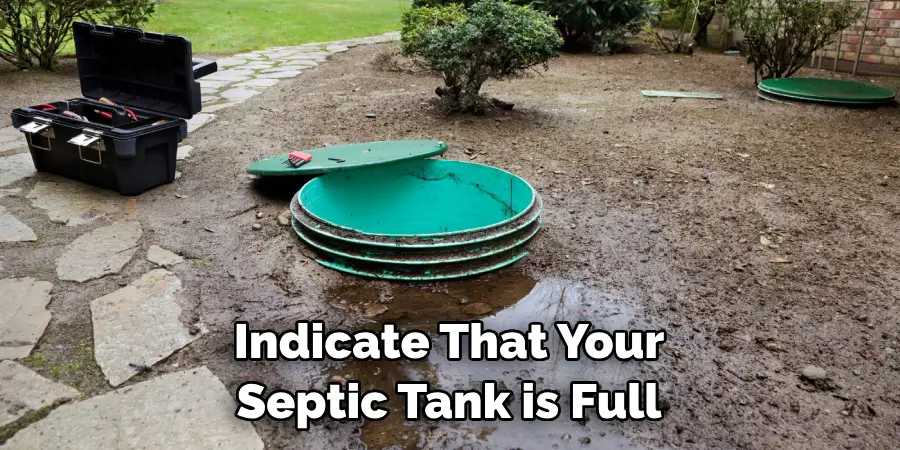
Another major warning sign is standing water or soggy patches in your yard, especially over the drain field. This means that the wastewater from your tank isn't properly seeping into the soil. Instead, it's rising to the surface, creating puddles. Not only is this unsanitary, but it also means your system isn't functioning as it should, potentially leading to long-term damage to your drain field.

Taking a Peek (With Caution!)
Feeling a bit like a detective? You can often confirm your suspicions, but it's important to be careful. Locating your septic tank is often the first step. If you have your home's original plans, they should show its exact position. Otherwise, look for inspection risers or lids in your yard, usually a few feet from your house.
The septic tank lid should never be opened casually. If you're going to peek, it's best to have a professional do it. They know how to safely access the tank. What they will look for inside is the water level. If the water level is unusually high, close to the top of the tank, or if the scum layer (the floating solids) is very thick, it's a strong indicator that the tank is indeed full and needs pumping. This is not a job for the faint of heart, or anyone without proper safety gear!
What To Do When You Suspect a Full Tank
So, you've noticed a few of these signs. What's next? The most important thing to remember is: don't try to fix it yourself! Dealing with a full septic tank is messy, potentially hazardous, and definitely a job for the experts. Your best course of action is to contact a professional septic service right away. They have the right equipment and expertise to safely pump out your tank and inspect your system for any underlying issues.
Your Septic Tank's Happy Future
The good news is that most septic tank issues can be prevented with a little foresight. The secret? Regular pumping and maintenance. Most experts recommend having your septic tank pumped every 3 to 5 years, depending on your household size and water usage. Think of it like changing the oil in your car; it’s essential maintenance that keeps everything running smoothly and extends the life of your system.
By staying aware of these signs and acting promptly, you can avoid messy backups, costly repairs, and keep your hidden wastewater hero doing its important job. A little attention goes a long way in ensuring peace of mind and a healthy home environment. So, next time you’re out in the yard, take a moment to appreciate your septic tank – and maybe give that green patch of grass an extra look!