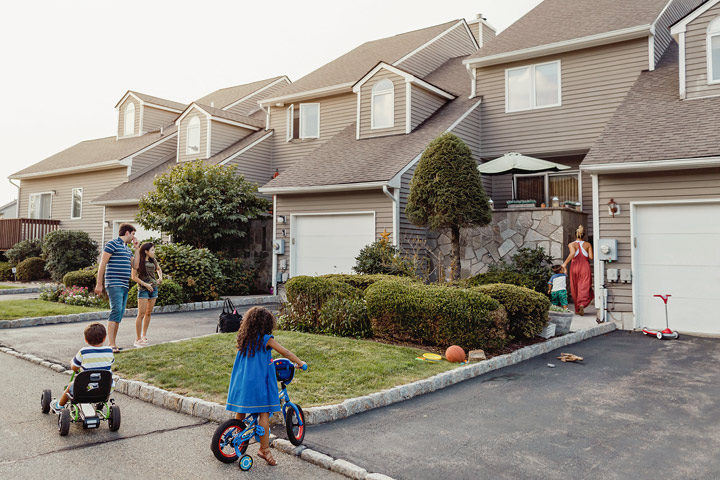
So, you’re thinking about a new place, dreaming of sunlit kitchens and perhaps a little garden patch. But before you get lost in visions of perfectly brewed morning coffee on a new porch, a very practical, if slightly daunting, question bubbles up: “Is this neighborhood safe?” It’s the invisible elephant in every house-hunting room. And while many dive into online crime statistics – which absolutely have their place – there’s a whole world of delightful, surprising, and downright human ways to uncover a neighborhood’s true pulse.
The Grand Tour, Human Edition
Forget the real estate agent for a moment. Your most valuable asset here is your own two feet and a willingness to engage. Think of yourself as a friendly, slightly nosy detective on a quest for warmth. The first step? Go for a walk. Not just a drive-by, but a proper, meandering stroll. And don't be shy!
Strike up a conversation with someone walking their dog. Dog walkers are often the unofficial historians and watchdogs of their block, privy to all the happenings. "Hey, lovely dog! Mind if I ask, what's it like living around here?" You'd be surprised how much genuine insight you can gain from a five-minute chat about pet-friendly parks or the best local coffee shop. These are the folks who know if Mrs. Henderson's prize-winning roses are safe from rogue soccer balls, and often, that’s a good sign.
Another surprising source of wisdom? Your local mail carrier or delivery driver. These heroes in uniform traverse every street, every day. They see who’s out and about, who keeps their porch tidy, and the general rhythm of life. A quick, polite question might just get you an honest, invaluable perspective from someone who literally has their finger on the neighborhood's pulse.
"Sometimes, the best safety report comes not from a screen, but from a friendly face and wagging tail."
Listen, Look, and Smell: Your Senses Are Your Superpowers
Beyond talking, your other senses are incredibly powerful tools. Spend time in the neighborhood at different times of day – morning, afternoon, and evening. What do you hear?
Are there kids playing outside? The sound of laughter, squealing, and the rhythmic thump of a basketball against pavement is often one of the most heartwarming indicators of a safe, lively community. Parents generally don't let their children play freely if they're constantly worried. Look for bicycles left casually on lawns or chalk drawings on sidewalks. These are tiny, joyous flags of trust.
What do you see? Are gardens well-tended? Are homes reasonably maintained, even if they’re older? A general sense of pride in surroundings, from vibrant flowerbeds to freshly painted fences, speaks volumes. Are there Little Free Libraries overflowing with books, inviting neighbors to share and connect? These small community touches are powerful signs of engagement and care.

And yes, even your nose can help! What do you smell? The aroma of backyard barbecues on a Saturday afternoon, freshly cut grass, or even laundry drying on a line – these aren't just pleasant smells; they're the scents of people living, thriving, and feeling comfortable in their own spaces.
The Unexpected Community Hubs
Think about where people naturally gather. A bustling local coffee shop, a small independent grocery store, or even a popular park playground can be invaluable observation posts. Order a coffee, sit outside, and simply observe. Do people greet each other by name? Is there a lively community board filled with flyers for local events – a bake sale, a neighborhood watch meeting, a lost cat poster (which, believe it or not, shows people care)? These are all signs of a strong, interconnected community that looks out for one another.
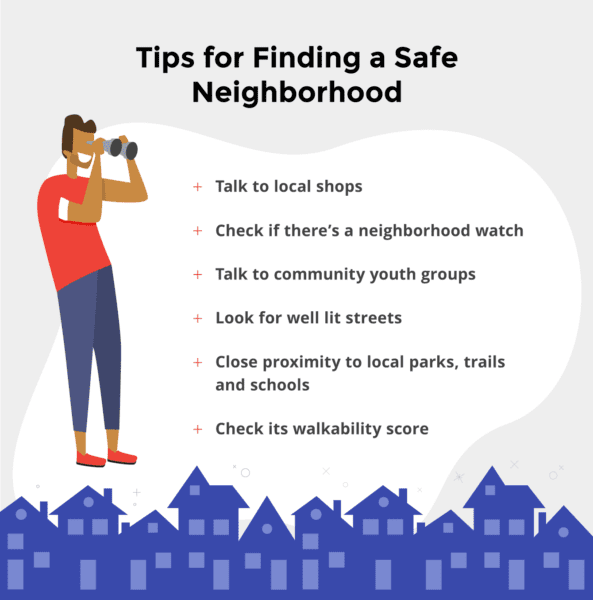
Attend a local park on a sunny afternoon. See parents chatting while their children play. Observe how people interact. Is there a sense of ease and familiarity? The spontaneous smiles, the shared exasperation over a toddler's tantrum, the collective cheer for a well-made shot on the basketball court – these are the subtle, heartwarming threads that weave a safe neighborhood together.
Ultimately, assessing safety isn't just about avoiding the bad; it's about finding the good. It’s about feeling a sense of belonging, of community, and that often comes down to the human connection. So, go ahead, put on your walking shoes, flash your friendliest smile, and let the real heart of the neighborhood reveal itself to you. You might just find that your intuition, backed by a little neighborly detective work, is the most reliable safety guide of all.