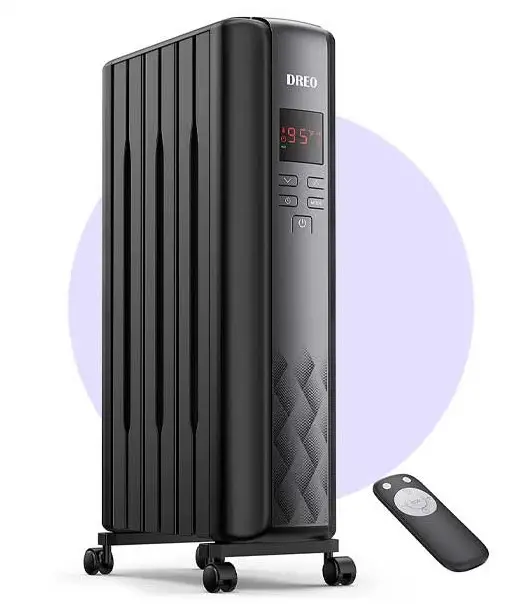
You know that feeling, right? It’s a bitter, unforgiving evening. The kind where your breath plumes in front of you indoors, and the thought of peeling off your three sweaters just to put on pajamas feels like a Herculean task. You eye that trusty, albeit slightly dusty, oil-filled radiator heater in the corner. You remember last winter, the glorious, silent, radiating warmth it blessed your single room with. A small, cozy haven in a sea of frosty air.
You plug it in, crank it up, and within what feels like an age (but is really just 15 minutes), a gentle, pervasive warmth starts to fill the space. Ahh, bliss! Your toes begin to thaw, the shivers subside, and a contented sigh escapes your lips. But then, almost immediately, a cold dread creeps in, chilling you perhaps more effectively than the actual ambient temperature: “How much is this costing me? Am I literally burning money?”
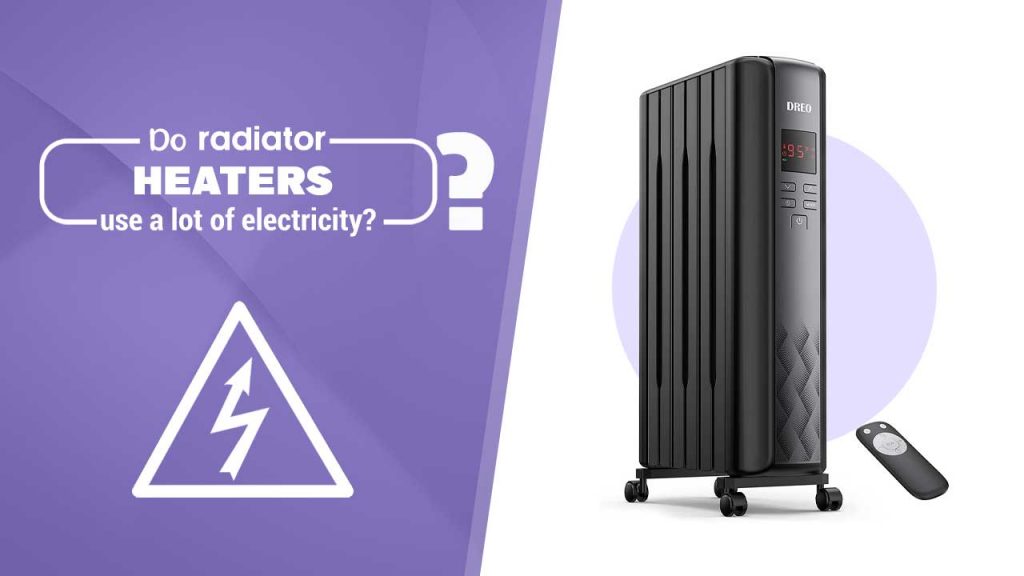
If that thought has ever made you break into a cold sweat while simultaneously enjoying the warmth, you, my friend, are not alone. It’s a question that plagues many of us who rely on these silent heat-givers. Do radiator heaters use a lot of electricity? Let’s peel back the layers of our winter blankets and get to the bottom of this.
The Nitty-Gritty: How They Work (and Why They Feel So Good)
First, a quick refresher. Most radiator heaters we’re talking about are the oil-filled kind. They don't actually burn oil, but rather use electricity to heat up a special thermal oil sealed inside. This hot oil then circulates, heating the metal fins of the radiator, which in turn radiate heat into your room. It’s a beautiful,
Unlike a fan heater that blasts hot air directly at you (and often dries out your sinuses in the process), radiator heaters offer a more
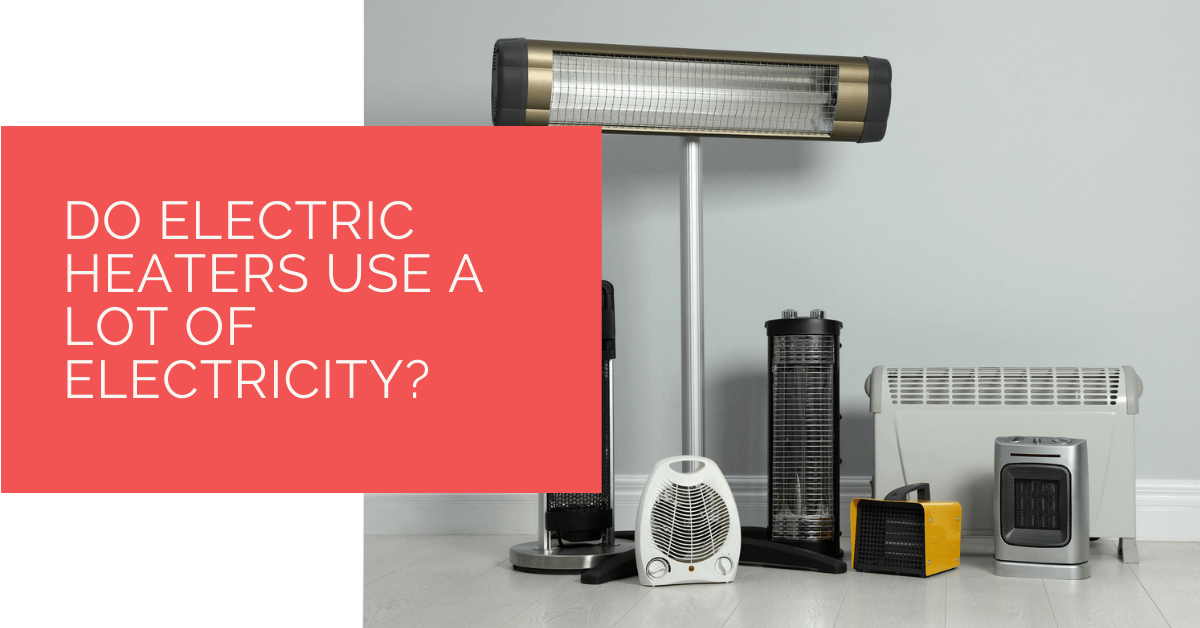
So, Are They Energy Hogs? The Wattage Workout
Okay, let’s cut to the chase. In terms of converting electricity into heat, most electric heaters, including oil-filled radiators, are about
But here's the kicker, and this is where the "a lot of electricity" part comes in:
A 1500W heater, when running at full power, is drawing 1.5 kilowatts (kW) of electricity
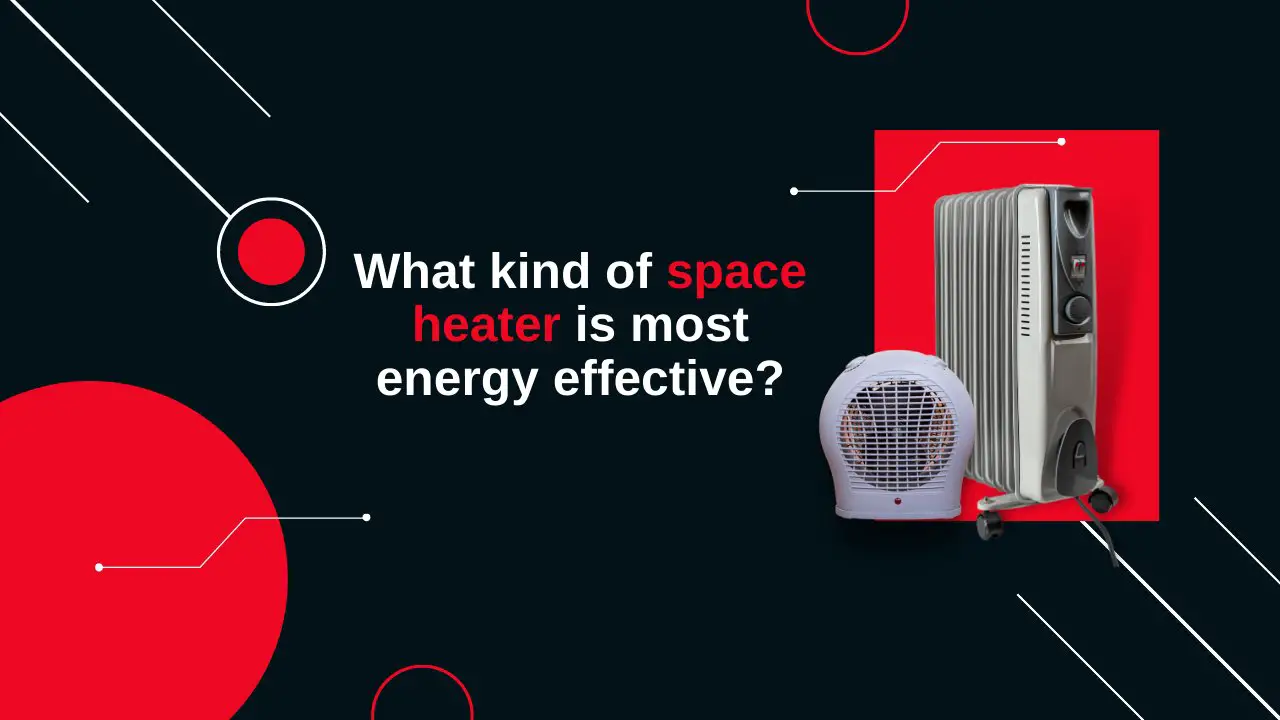
So, yes, a radiator heater
The Smart Way to Warm Up: Making Them Less "Expensive"
Before you banish your beloved radiator heater to the garage, hold on! It’s not all doom and gloom. There are plenty of ways to make these heaters your cozy ally without emptying your wallet. It's less about the heater itself and more about
1. Use the Thermostat! This is probably the single most important tip. Most radiator heaters have a thermostat. Set it to your desired comfort level (say, 20°C or 68°F), and once the room reaches that temperature, the heater will cycle on and off to maintain it,
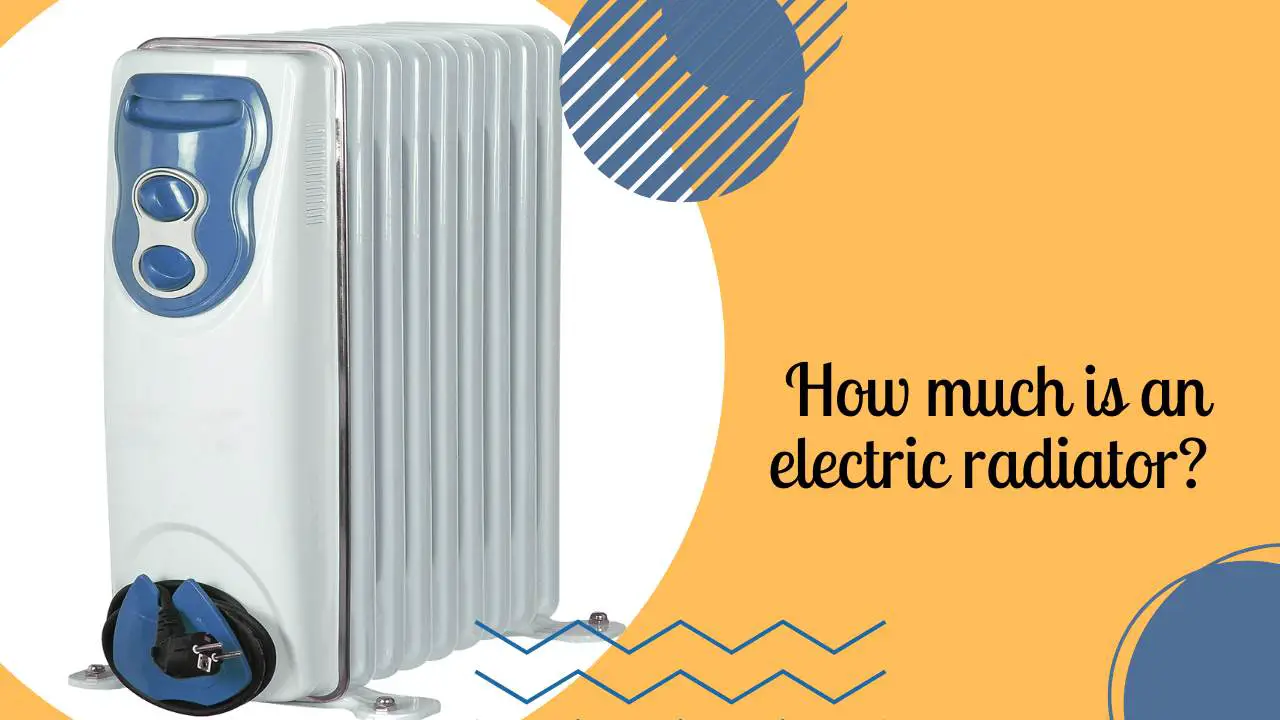
2. Target Heating: Think of it like this: why heat your entire house with central heating if you're only spending time in one or two rooms? A radiator heater excels at
3. Use the Timer: Many modern radiator heaters come with a timer. Set it to turn on an hour before you wake up or get home, and turn off when you leave or go to bed. That way, you get the warmth when you need it, and it's not wasting energy heating an empty room.
4. Insulate, Insulate, Insulate: This might sound obvious, but it makes a huge difference. Close your curtains, seal those drafty windows and doors (get some cheap weather stripping!), and keep doors to unheated rooms closed. You wouldn't heat an open oven, would you? The less heat that escapes, the less your heater has to work.
The Final Word: Your Wallet, Your Warmth
So, do radiator heaters use a lot of electricity? The honest answer is:
By understanding their wattage and, more importantly, by using them
So, next time that chill sets in, go ahead and plug in your trusty radiator. Just remember to be the boss of its power usage, and you’ll be toasty warm and financially savvy all winter long. You’ve got this!