
Hey there! So, picture this: you’re cozied up, maybe binging your favorite show, or finally diving into that book you’ve been meaning to read. And then it happens. Beep! Not just any beep. THE beep. You know the one. That soul-crushing, intermittent, "I’m dying, help me!" chirp from your smoke detector. Ugh.
Your shoulders slump, right? Because who needs that kind of drama? And then the mental gymnastics begin, especially if you’ve got those fancy hardwired ones. The ones plugged straight into your house’s electrical system. "They don’t need batteries, do they?" you ask yourself, squinting up at the ceiling like it owes you money. You’re not alone in that confusion, believe me!
The Great Hardwired Debate: Are They Battery-Free Zen Masters?
Okay, let’s get down to brass tacks. What’s the deal with hardwired smoke detectors? You see, these clever little guardians aren’t just relying on a couple of AA batteries chilling in their guts. Oh no. They’re like the VIPs of fire safety. They’re hooked right into your home’s electrical system. Think of it like a permanent, all-you-can-eat buffet of electricity. As long as your house has power, they’re munching away, ever vigilant, ever ready. Pretty slick, huh?
So, logically, if they’re getting power directly from your house, they shouldn’t need batteries, right? It seems so obvious. Why would they bother with those fiddly little power cells when they’ve got a whole electrical grid at their disposal?
Hold Up! The Plot Thickens...
Sounds great, right? Almost too great. Because here’s where the plot thickens, my friend. While they do get their primary power from your home’s wiring, they’re not completely invincible. What happens when the power goes out? Uh-oh. Suddenly, that all-you-can-eat buffet is closed. And that, my dear reader, is precisely why even your super-duper, hardwired smoke detectors DO need a battery.

Yes, a backup battery. It’s like their secret stash of emergency snacks for when the main kitchen closes. This little battery is there specifically for those "lights out" moments. Imagine a power outage in the middle of the night. If your hardwired detector didn't have that backup, it would be useless. And nobody wants a useless smoke detector when things go sideways, right? That little battery is literally a lifesaver.
When Does That Backup Battery Pipe Up? (And How to Silence It!)
So, if the main power goes out, the backup battery kicks in. It's designed to keep your smoke detector operational during an electrical interruption. But what happens when that backup battery itself starts to run low? Chirp! Chirp! Chirp! Yep, there it is. That annoying, persistent, "Hey, buddy, I’m running on fumes here!" sound. It’s not just rude; it’s a critical warning.

That’s its way of telling you, "My emergency fuel tank is nearly empty! Please, for the love of all that is safe, replace me!" So, when you hear that incessant chirping, even if your house has power, it’s a sure sign that the backup battery needs replacing. Don't ignore it! Seriously, that little sound could be the most important reminder you get all year.
The "How Often" Question: Mark Your Calendars!
So, how often should you swap out these vital little backup power cells? General consensus, and a really good rule of thumb, is to replace your smoke detector batteries at least once a year. A super easy way to remember? Tie it to something else annual. When you change your clocks for Daylight Saving Time (spring forward/fall back), that’s a perfect reminder. Or maybe your birthday month? Or even a specific holiday! Just pick one and stick to it.
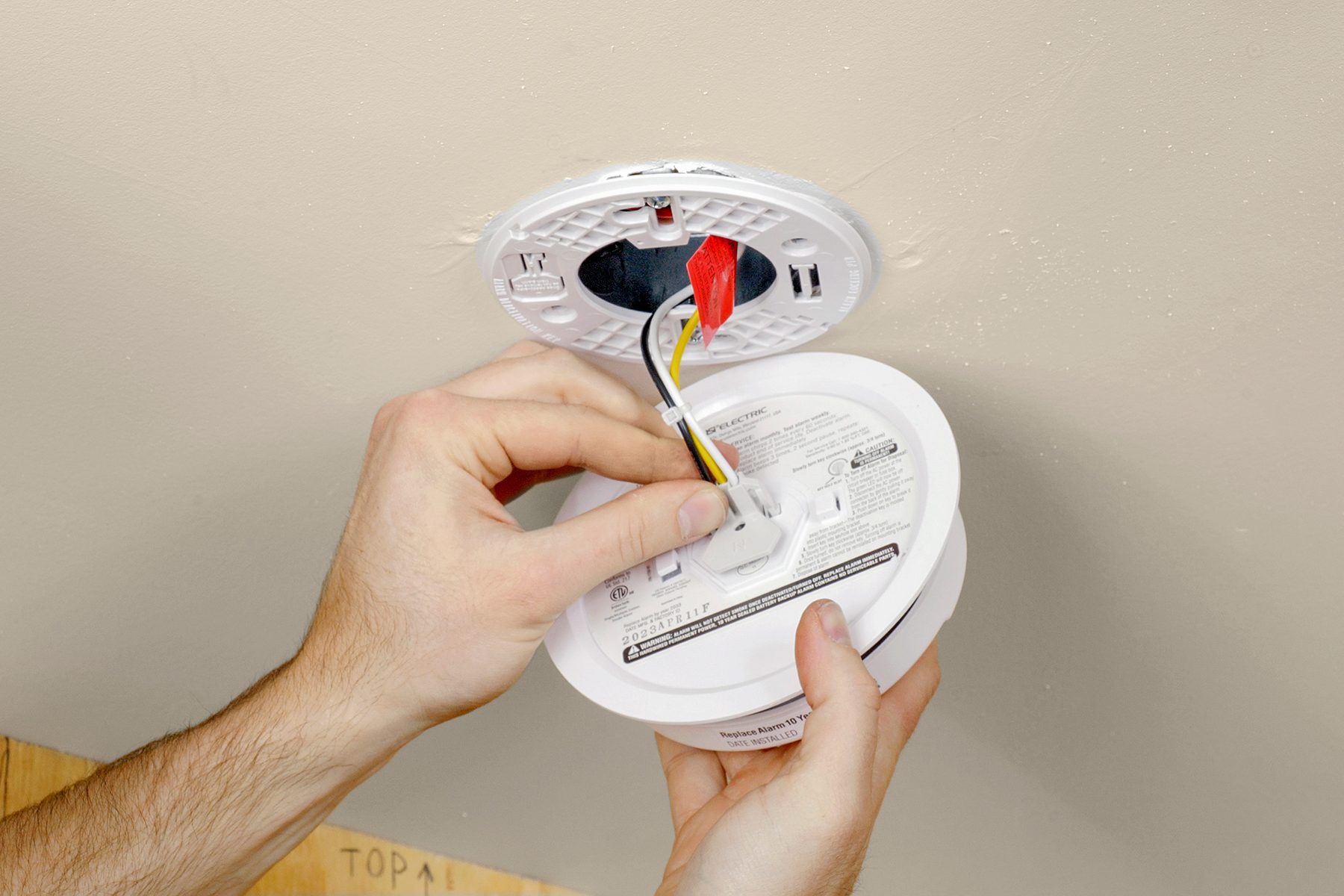
It’s also smart to give your smoke detectors a quick test once a month. There's usually a "test" button right on the unit. Give it a push! If it blares loudly, great! If it whimpers, or does nothing at all, that’s another sign that it’s time for a battery swap, or maybe even a whole new unit if it’s getting old (detectors typically have a 10-year lifespan, just FYI!).
Don't Be That Person (You Know The One)
Look, nobody likes dealing with these things. It usually involves a wobbly chair, a slightly dusty ceiling, and a momentary panic about dropping the entire unit. But trust me, a few minutes of mild inconvenience once a year is a small price to pay for peace of mind. And for, you know, actual safety. Neglecting that little backup battery renders your fancy hardwired system pretty much useless when it matters most. It’s like having a car with an empty spare tire – defeats the whole purpose of having it!
So, to sum it all up in a neat little bow: yes, hardwired smoke detectors ABSOLUTELY need batteries. They’re just backup batteries, but they are incredibly important. Keep them fresh, test them often, and maybe give them a quick dust-off while you're up there. Your family (and your ears, from that incessant chirping) will thank you. Now, go enjoy that coffee!