Ever wondered about the air quality in your home, especially when it comes to something as vital as your heating system? It's a question that pops up surprisingly often: "Do electric furnaces produce carbon monoxide?" This isn't just a technical query; it's about peace of mind and keeping our loved ones safe and warm. Understanding how our home appliances work can feel a bit like unlocking a secret level in home ownership, and it’s genuinely useful knowledge for everyone!
For beginners in home care, grasping this concept is a fantastic first step into understanding basic home safety. It demystifies a crucial part of your home's infrastructure and helps you identify real risks versus common misconceptions. For families, knowing the facts about your furnace means one less thing to worry about. You can breathe easier (quite literally!) knowing your heating source isn't silently jeopardizing your health, allowing you to focus on other aspects of a safe and cozy home. And for the budding hobbyists or DIY enthusiasts, this insight offers a foundational understanding of energy types and combustion, which can be invaluable for future home improvement projects or appliance choices.
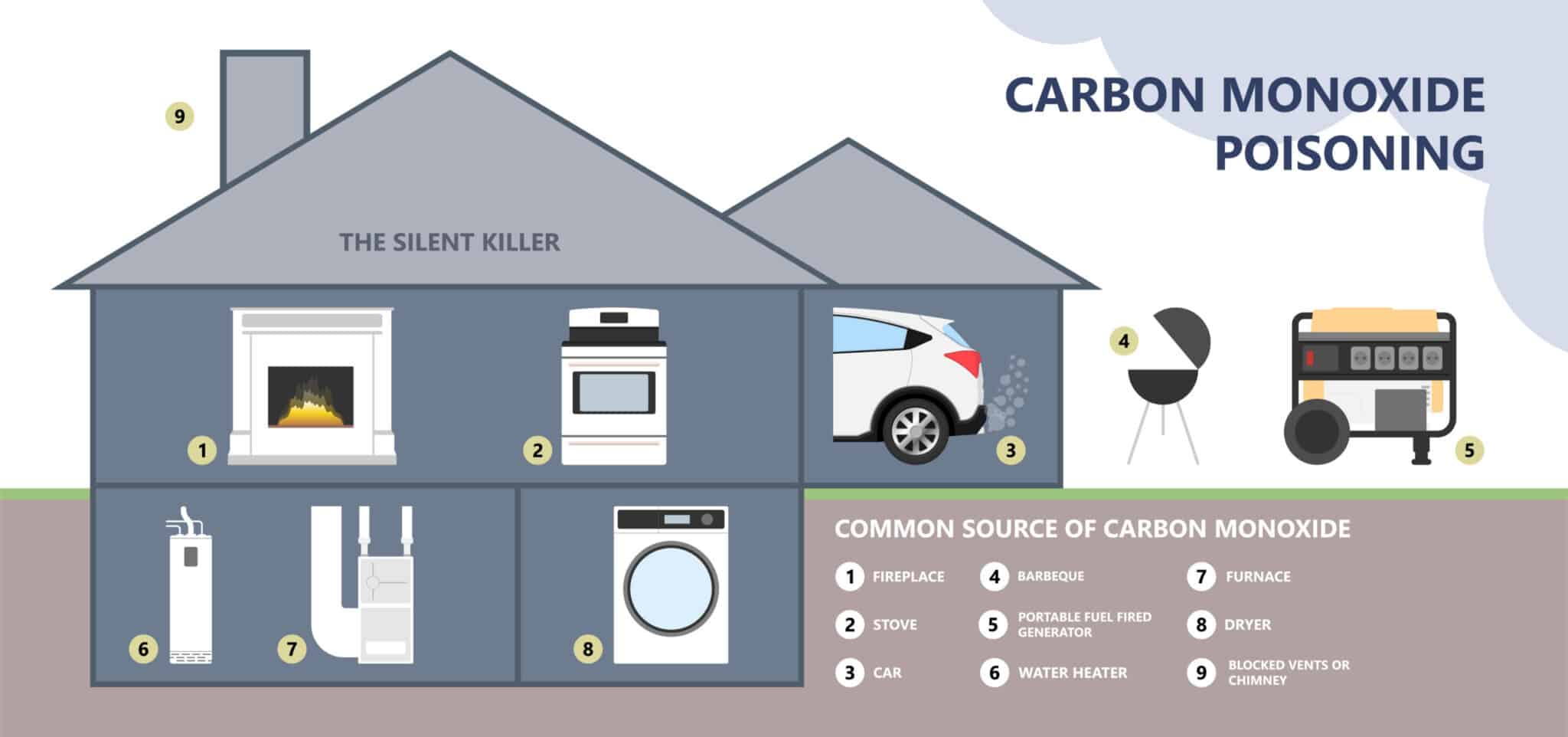
So, let's get right to the heart of it: do electric furnaces produce carbon monoxide? The short and reassuring answer is no, electric furnaces do not produce carbon monoxide. Here's why: carbon monoxide (CO) is a byproduct of incomplete combustion. This means something has to burn – like natural gas, propane, wood, or gasoline – to create CO. Electric furnaces, on the other hand, operate by using electricity to heat a coil, which then warms the air. There's no burning process involved whatsoever. This principle also applies to other electric heating solutions like electric baseboard heaters and electric space heaters; they're all combustion-free. The risk of CO poisoning primarily comes from appliances that burn fuel, such as gas furnaces, gas water heaters, gas stoves, fireplaces, or even car exhaust from an idling vehicle in an enclosed space.
Getting started with this newfound knowledge is super simple. First, if you have an electric furnace, you can relax about CO coming from that specific appliance. It's a non-issue! However, it's always wise to know what kind of furnace you have. If you discover you have a gas furnace (or any other fuel-burning appliance), then the most important tip is to install carbon monoxide detectors. Place them near sleeping areas and on every level of your home. Regularly test your detectors, just like smoke alarms. Also, ensure your gas furnace (and other gas appliances like water heaters) are serviced annually by a qualified professional to ensure they are operating safely and venting properly. Good ventilation in your home is always a plus, too!
Understanding the simple truth about electric furnaces and carbon monoxide isn't just about avoiding danger; it's about empowerment. It gives you confidence in your home environment and helps you make smarter, safer choices. There's real value in knowing your home inside and out, making everyday living not just comfortable, but truly safe and enjoyable for everyone under your roof.