
Hey there! Grab your mug, settle in. We’re doing the whole coffee chat thing, right? So, ever found yourself just… staring at a wall socket, or maybe that little white disc on the ceiling, and wondering about all the gadgets and gizmos in our homes? Like, what’s actually required? And what’s just a really, really good idea?
Today, my friend, we're diving headfirst into the world of carbon monoxide detectors. Because, let’s be real, it’s one of those things you probably don't think about until someone asks, "Hey, do you have one?" And then you're like, "Uh… good question!"
The Sneaky, Silent Villain: Carbon Monoxide
First things first, let’s talk about carbon monoxide itself. CO, for short, is basically the ninja of toxic gases. It's totally colorless, odorless, and tasteless. Seriously, it’s like the ghost of a dangerous gas. You wouldn't know it's there without help. And that, my friends, is why it’s so incredibly dangerous.
It comes from things that burn fuel – your furnace, gas stove, water heater, fireplace, even a car idling in the garage. If these aren't venting properly, CO can build up. And when it builds up, it basically tricks your body, sneaking into your bloodstream instead of oxygen. Not good, Bob. Really not good. Symptoms can be vague, like a headache or nausea, which you might just blame on a rough Monday. That’s why we call it the "silent killer." Spooky, right?
So, Do All Houses Have Carbon Monoxide Detectors? The Million-Dollar Question!
Okay, drumroll please… The short, slightly less satisfying answer is: no, not all houses do.
Whaaat? I know, right? You’d think something so crucial would be everywhere, like smoke detectors. But it's a bit more nuanced than that, largely thanks to a little thing called building codes. And building codes, bless their bureaucratic hearts, aren't always retroactive.
The Tale of New vs. Old
If you're in a newer home – and by newer, I generally mean built in the last decade or two, depending on where you live – then chances are, yes! Your house likely has CO detectors. Most modern building codes across North America and many other places now require them, especially if the home has an attached garage or fuel-burning appliances.
But for those of us in older homes? The charming, creaky-floored, "they just don't build 'em like they used to" kind of places? Well, unless renovations triggered new code requirements, or a previous owner was super proactive, you might be out of luck. The house was built before CO detectors were a thing on the code books, so it's often grandfathered in. Meaning, they don't legally have to be retrofitted. Bummer, huh?

Think of it like seatbelts in really old cars. Nowadays, a new car without seatbelts? Unthinkable! But you won't get a ticket for driving your antique Model T without them because it wasn't required when it was made. Same vibe.
Renting vs. Owning: Does it Make a Difference?
Sometimes! Many states and provinces have specific laws requiring landlords to install CO detectors in rental units, particularly if there are fuel-burning appliances or an attached garage. So if you're renting, your landlord might be legally obligated to provide one. But again, this varies wildly by location. So, it's always a good idea to check your local regulations or, better yet, just ask your landlord directly.
But Should Your House Have One? (Spoiler: YES!)
Alright, so we’ve established that not all houses do have them, and not all houses are legally required to have them. But now, let’s get to the important part: should your house have one?

My friend, if your house has any fuel-burning appliance – a furnace, a gas stove, a fireplace, a water heater – or an attached garage, the answer is a resounding, "YES! Absolutely! Without a doubt!"
It's not just a recommendation; it's a no-brainer safety essential. Think of it as a tiny, vigilant guardian, constantly sniffing the air for that invisible threat. It's the ultimate "better safe than sorry" device.
Picking Your Detector Pal and Where to Put It
So you’re convinced? Excellent! High five! Now, what kind should you get? They come in a few flavors:
- Battery-powered: Easy to install, just pop in batteries and go.
- Plug-in: Plugs into a standard wall outlet, sometimes with a battery backup.
- Hardwired: Wired directly into your home's electrical system, often with battery backup, just like many smoke detectors.
- Combination Smoke/CO detectors: Two birds, one stone! Super convenient.
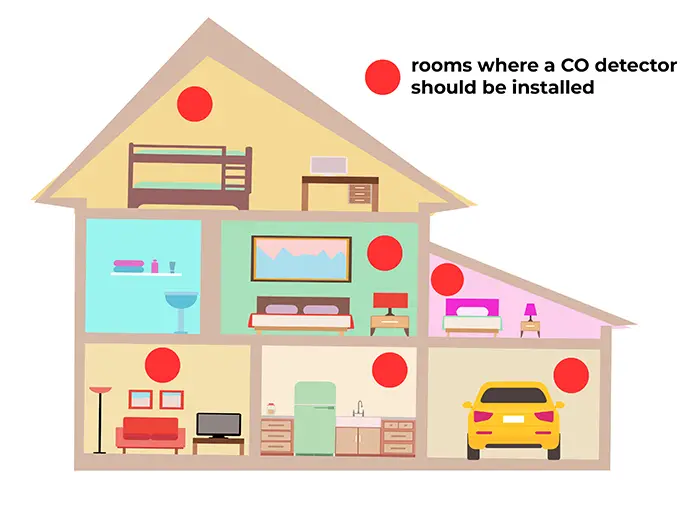
Where should you put 'em? Generally, you want them near sleeping areas and on every level of your home. If you have an attached garage, put one in the room adjacent to it. And definitely follow the manufacturer's instructions – they're not just suggestions, you know?
The Bottom Line (No, Really)
So, do all houses have carbon monoxide detectors? No. But should every house with a potential CO source have one? One hundred percent, without question, YES! It's a small investment for massive peace of mind. It’s a literal lifesaver. Seriously.
So, go check. Right now. After we finish this coffee, of course. And if you don’t have one, or if yours is ancient (they expire, usually after 5-7 years!), make it a priority. Because your safety, and the safety of everyone under your roof, is absolutely priceless. Okay, gotta run, but let me know what you find!