
Ever found yourself scrolling through gorgeous home tours on Instagram or pinning dream kitchen ideas, and then your mind drifts to... safety? Specifically, the kind of safety that’s invisible, odorless, and utterly vital? We’re talking about carbon monoxide detectors.
It’s a question that pops up more often than you’d think, usually sparked by a news story or just a general "hmm, I wonder..." moment: Do all homes have carbon monoxide detectors? In a world where smart homes are the norm and almost every gadget connects to your phone, you’d think this basic safety device would be a universal given, right?
The Invisible Guest You Never Want
Let’s start with a little intro to our main character: carbon monoxide (CO). Often called the "silent killer," CO is a gas produced when fuels like gasoline, wood, propane, charcoal, or natural gas burn incompletely. Things like furnaces, gas stoves, fireplaces, and even your car running in an attached garage can produce it. The terrifying truth? It’s colorless, odorless, and tasteless. You won't know it's there until it's too late, as it quickly displaces oxygen in your blood, leading to dizziness, nausea, confusion, and eventually, unconsciousness and death.
Think of it like a ninja. A very, very dangerous ninja that slips into your home completely unnoticed. Spooky, right?
So, Do All Homes Have Them? The Honest Scoop
Here’s the straight answer, and it might surprise you: No, not all homes have carbon monoxide detectors. While the importance of CO detectors is widely recognized, their presence isn't universally mandated across all properties and regions. It's not as straightforward as smoke detectors, which became standard fare in most building codes decades ago.

The rules are a bit of a patchwork quilt, varying significantly by location. In some states or countries, it’s legally required for all homes, especially those with fuel-burning appliances or attached garages. In others, it might only be required for new constructions, or rental properties, or not at all. This means older homes, particularly those that haven't undergone recent renovations or ownership changes, might not have them installed.
A Patchwork of Protection: Building Codes & You
Understanding these varying regulations is key. Many areas have updated their building codes in recent years to include CO detectors, often after tragic incidents brought awareness to the issue. For instance, countries like Canada and many states in the U.S. have robust laws. Meanwhile, other regions might still be catching up. It’s like how seatbelt laws rolled out over time – what was optional became essential.

This evolving landscape means that while your shiny new apartment might come equipped with state-of-the-art detectors, your charming, vintage bungalow could be completely unprotected. And guess what? Both need them equally!
Your Home, Your Haven: Practical Tips for Peace of Mind
Given this variability, it becomes your superpower to ensure your home is safe. Here’s how you can be the hero of your own living space:
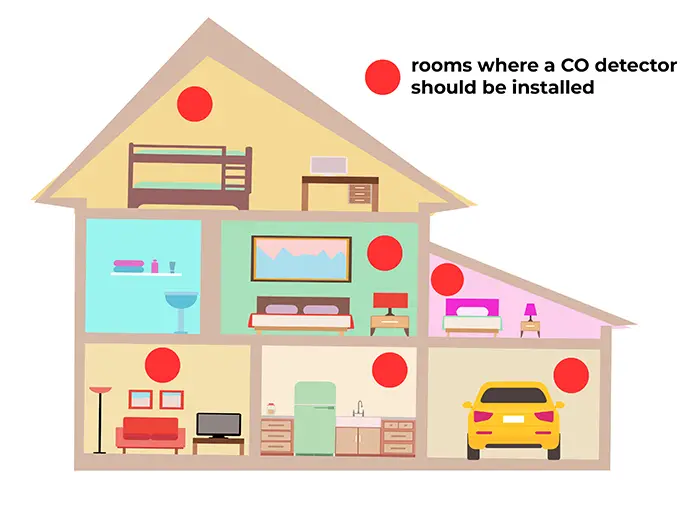
- Check Your Current Setup: Do you even know if you have CO detectors? Take a quick tour. They often look similar to smoke detectors.
- Location, Location, Location: If you don't have them, or not enough, it's time to get some. Install CO detectors on every level of your home, especially outside sleeping areas. If you have an attached garage or fuel-burning appliances (like a gas stove or furnace), place one nearby.
- Battery or Wired? You have options! Battery-operated units are easy to install. Hard-wired units often have a battery backup. There are also combo smoke and CO detectors, which are super convenient.
- Test Regularly: Just like smoke detectors, CO detectors have a test button. Press it monthly! And pay attention to those "end-of-life" chirps – most units need to be replaced every 5-7 years. Don't ignore the chirps!
- Educate Your Household: Make sure everyone knows what the alarm sounds like and what to do if it goes off (leave immediately and call 911 or your local emergency number).
These devices are surprisingly affordable and incredibly easy to install. They’re a small investment for colossal peace of mind, allowing you to cozy up by the fireplace or bake a batch of cookies without an invisible worry.
A Little Reflection on Home Sweet Home
In our quest for the perfect latte, the trendiest sneakers, or the most Instagrammable brunch, it’s easy to overlook the mundane but mighty aspects of daily safety. Ensuring your home has working carbon monoxide detectors isn’t just about ticking a box; it’s about creating a genuine sanctuary where you and your loved ones can truly relax and thrive, free from unseen threats. It’s about taking proactive care, not just of your space, but of the precious lives within it. So, go on, add "check CO detectors" to your weekend to-do list. Your future self (and everyone else in your home) will thank you.